E-Bike Tyre Pressure: How to Find the Right PSI or Bar for Everyday Riding
Tyre pressure directly affects the comfort, grip and efficiency of an electric bike. Yet it is one of the easiest things to overlook during everyday riding.
So, how many PSI or bar should you put in your tyres? Is 2.5 bar enough, or would 4 bar be more appropriate?
The right electric bike tyre pressure depends on the tyres fitted to your bike, the weight they carry and your riding conditions. Here’s how to find the correct pressure and check it properly.
Quick Answer
The correct pressure for an electric bike is the pressure recommended for the tyres fitted to it and the load they carry, while also respecting the rim’s pressure limits.
To find it, look for PSI or bar markings on the tyre sidewall and follow the tyre manufacturer’s instructions.
If the tyre has a permitted pressure range, the appropriate setting within that range depends on factors such as load and riding conditions. If it only shows a maximum pressure, that does not mean you should automatically inflate to that value.
A pump with a pressure gauge will help you check and adjust the pressure accurately.
How to Find the Right Electric Bike Tyre Pressure
The first step is to identify the tyre’s inflation markings.
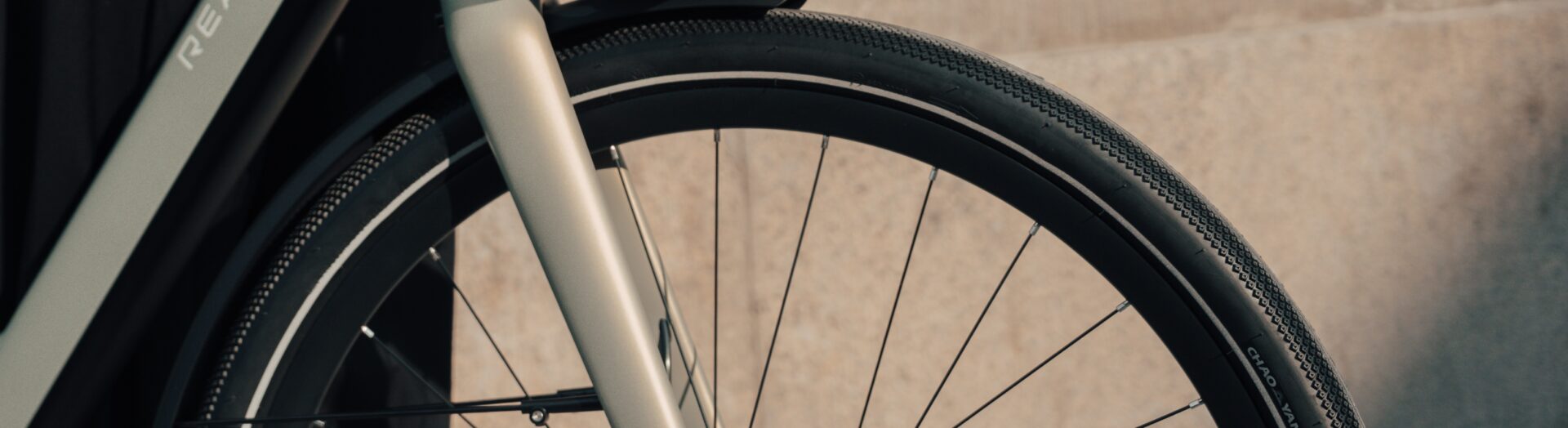
These are usually located on the tyre sidewall, the area between the tread and the wheel rim.
You may find different markings there:
| Marking | What it means |
| 47-622 | Tyre size: nominal width of 47 mm and bead-seat diameter of 622 mm |
| PSI | Pressure measured in pounds per square inch |
| BAR | Pressure measured in bar |
| MIN / MAX | Minimum and maximum pressure limits, when specified |
It is important to distinguish tyre size from inflation pressure: a 47-622 tyre size does not tell you how many PSI or bar to use.
Why Two Tyres of the Same Size May Need Different Pressures
Two tyres with the same 47-622 size can have different pressure limits.
According to published technical specifications, one tyre has a permitted pressure range of 3 to 5 bar, while another allows 2.5 to 5 bar.
This means that 2.5 bar would be below the minimum for the first tyre but within the permitted range for the second.
These figures illustrate why tyre dimensions alone cannot determine the correct inflation pressure. Even when a pressure falls within the permitted range, the most suitable setting still depends on the tyre manufacturer’s recommendations and the load it carries.
In our official Reany maintenance guide, we recommend checking the pressure information on the tyre sidewall.
If the markings are missing or difficult to read, consult the documentation for your exact tyre model or contact a specialist bicycle dealer.
You should also respect the rim’s pressure limits. If the tyre and rim specify different maximum pressures, always follow the lower limit.
PSI vs Bar: What Do They Mean and How Do You Convert Them?
PSI and bar are two units used to measure the same thing: air pressure.
- PSI: Pounds per square inch.
- Bar: A pressure unit commonly used in Europe.
The conversion is straightforward:
1 bar ≈ 14.5 PSI
| Bar | PSI (approx.) |
| 2 | 29 |
| 2.5 | 36.3 |
| 3 | 43.5 |
| 3.5 | 50.8 |
| 4 | 58 |
| 4.5 | 65.3 |
| 5 | 72.5 |
This table helps you convert pressure between bar and PSI. To find the right value for your tyres, check their inflation instructions.
For example, if your pump shows 4 bar, that is approximately 58 PSI. Both numbers represent the same pressure.
The table helps you understand the reading on your pump. It does not determine how much air your tyre needs.
How to Check and Inflate Your E-Bike Tyres
Once you know the appropriate pressure for your tyres, you only need a compatible pump and a pressure gauge.
1. Check the Valve Type
Bicycles can use different types of valves, including Presta, Schrader and Dunlop.
Before inflating, make sure your pump head is compatible with the valve fitted to your wheel. Use a suitable adapter if necessary.
2. Measure the Current Pressure
Connect the pump or pressure gauge and check the reading.
Ideally, measure the pressure before riding and when the tyres are at ambient temperature, so you can compare readings under similar conditions.
Although squeezing the tyre with your fingers might reveal significant air loss, it cannot tell you the exact pressure.
3. Adjust the Pressure
Add or release air gradually while checking the pressure gauge.
Use the pressure recommended for your tyre and its load, without exceeding the limits specified for the tyre or rim.
4. Check Both Wheels
Repeat the process for the front and rear tyres.
They do not necessarily need exactly the same pressure because they may carry different loads.
When finished, make sure both valves are properly closed.
How Does Tyre Pressure Affect Comfort, Grip and Efficiency?
Tyre pressure determines how much a tyre deforms when it comes into contact with the road.
This influences how the bike absorbs irregularities and responds while riding.
| Tyre condition | Possible effects |
| Pressure too low | Excessive deformation, greater risk of damage and increased rolling resistance on smooth surfaces |
| Pressure too high for the conditions | A harsher ride, reduced absorption of bumps and potentially less grip on uneven surfaces |
| Appropriate pressure | A better balance between support, comfort, grip and efficiency |
Higher pressure does not necessarily mean a better ride.
On smooth surfaces, increasing pressure can reduce certain losses caused by tyre deformation. However, on uneven city streets, a tyre that can absorb small bumps may provide greater comfort and more consistent contact with the road.
Battery range is another consideration for electric bikes. Insufficient tyre pressure can increase rolling resistance and, consequently, the energy required to maintain speed.
The goal is not to inflate your tyres to the maximum pressure, but to find the right balance for your tyres and everyday riding conditions.
What Factors Should You Consider When Choosing Tyre Pressure?
Once you have identified the tyre manufacturer’s recommendations, three factors are particularly important for city riding.
Rider Weight and Luggage
The load carried by each wheel affects its pressure requirements.
When carrying additional weight, such as shopping bags or luggage, a higher pressure within the manufacturer’s permitted limits may be necessary.
To make an informed adjustment, consider the combined weight of the bicycle, rider and luggage, as well as how that weight is distributed between the wheels.
There is no universal conversion between kilograms carried and a specific pressure in bar. Tyre width and construction also influence the appropriate setting.
Rain and Wet Roads
During autumn and winter, wet asphalt, slippery road markings and metal surfaces can reduce grip.
Although tyre pressure influences how the bicycle handles, you should not automatically reduce it when it rains.
The priority is to maintain an appropriate pressure, check the condition of the tyres and adapt your riding to the conditions.
For more advice, read our guide to riding an e-bike in the rain.
Colder Temperatures
Air pressure changes with temperature.
This means a tyre may show a different pressure reading when the bicycle moves from a warm environment to a colder one, even without a puncture.
During colder months, check tyre pressure regularly and, whenever possible, take readings under similar conditions.
What Tyre Pressure Do Reany E-Bikes Need?
At Reany, we focus on making urban mobility practical and straightforward. Part of that experience is keeping your tyres correctly inflated for your bicycle’s specifications.
However, not all our models use the same tyre dimensions.
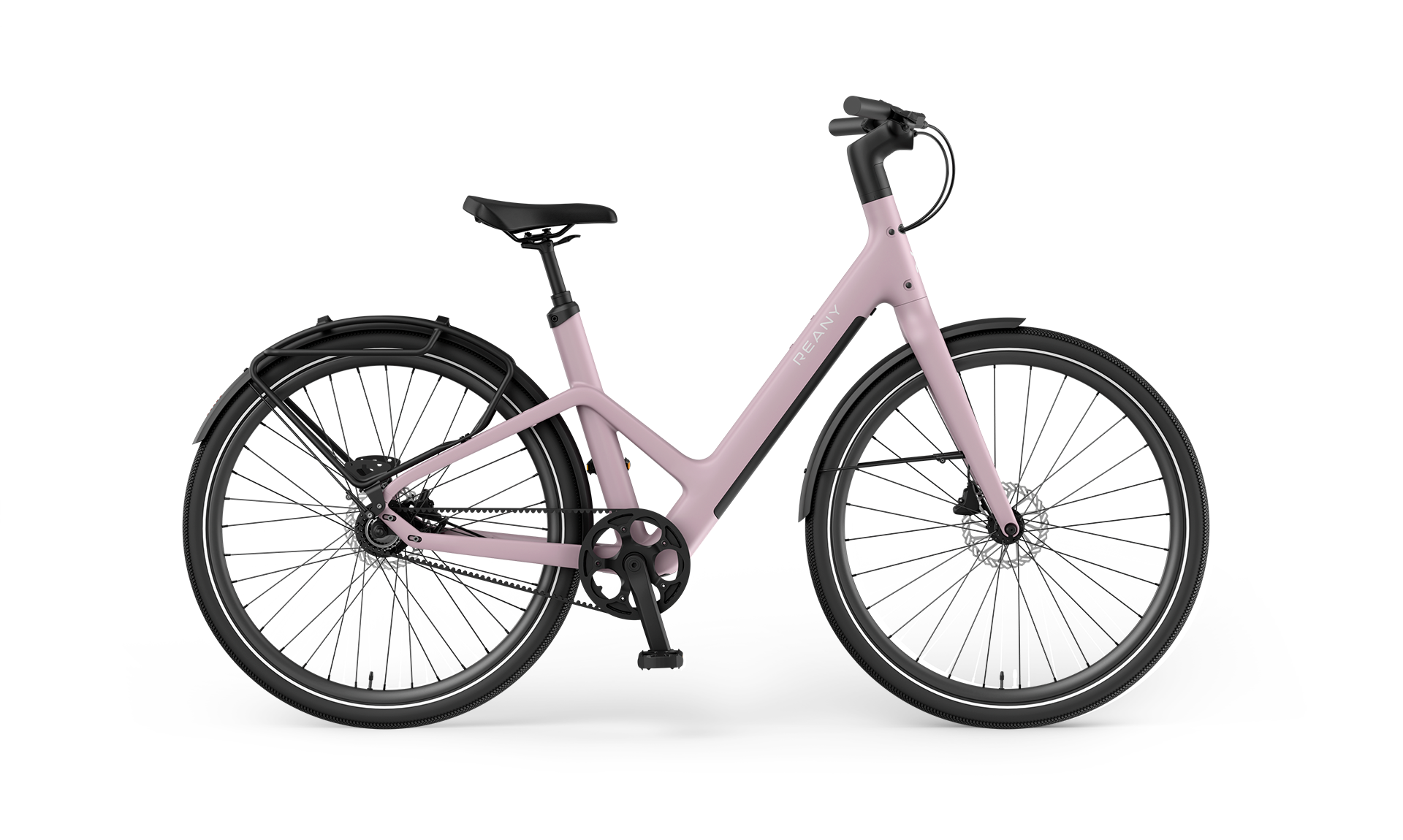
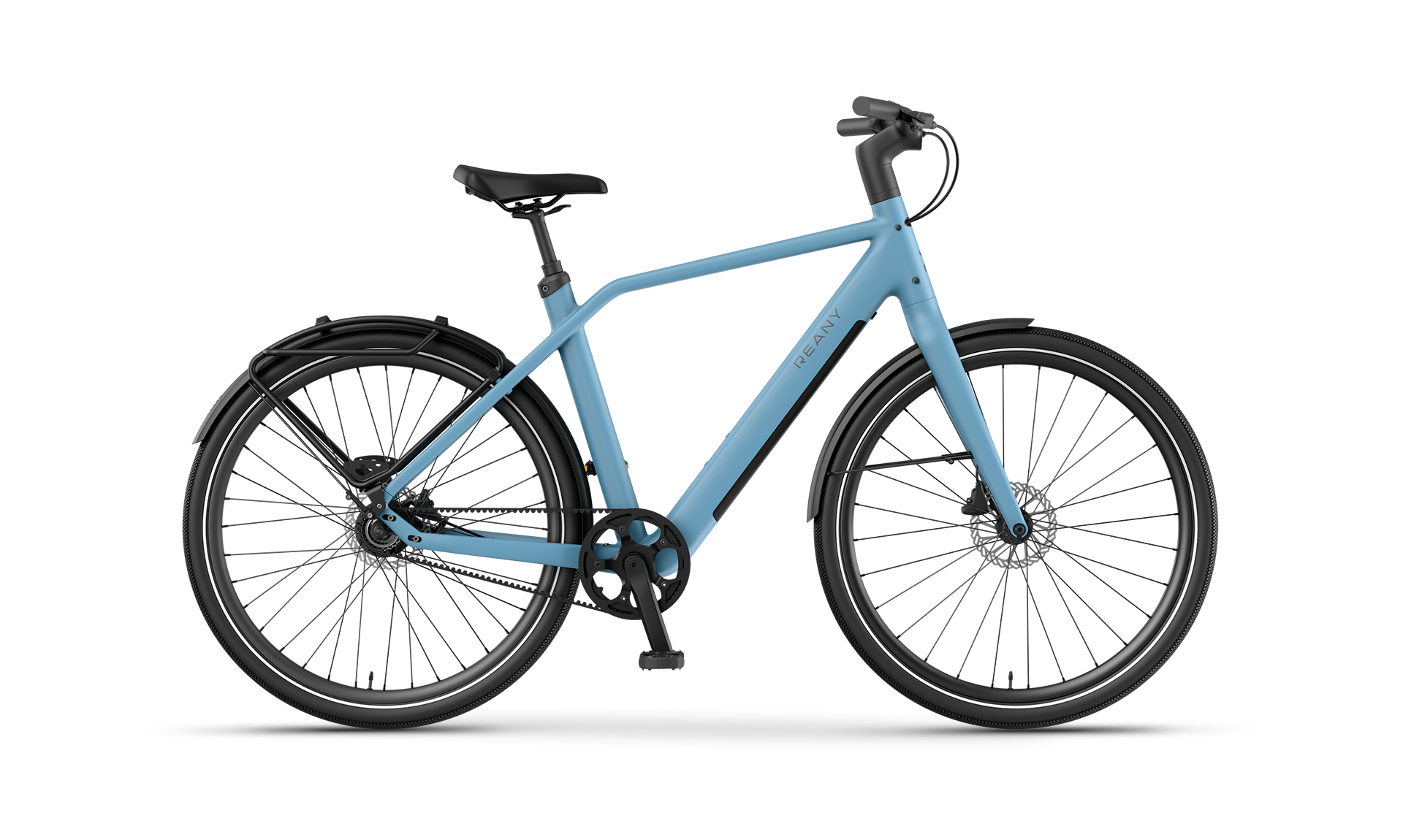
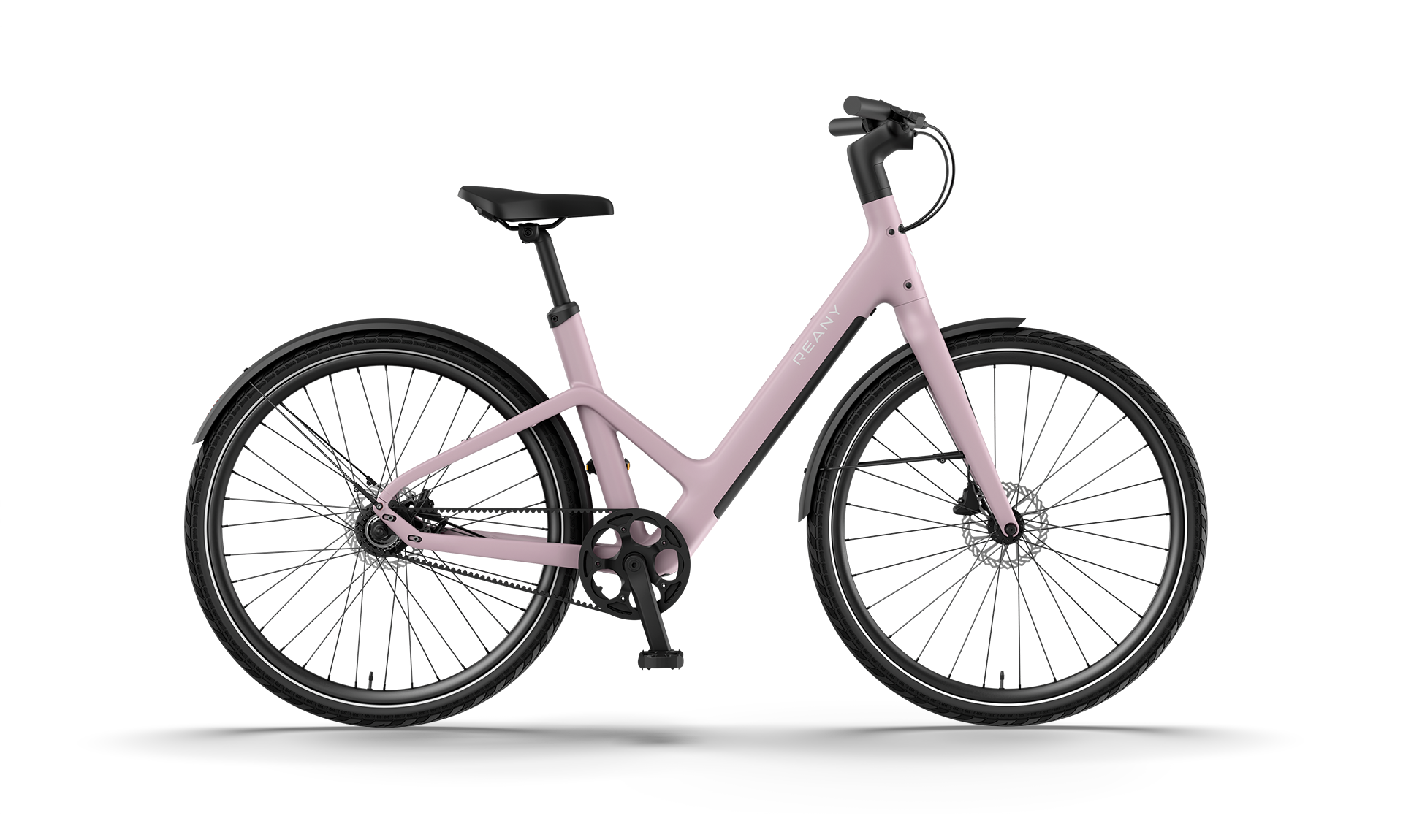
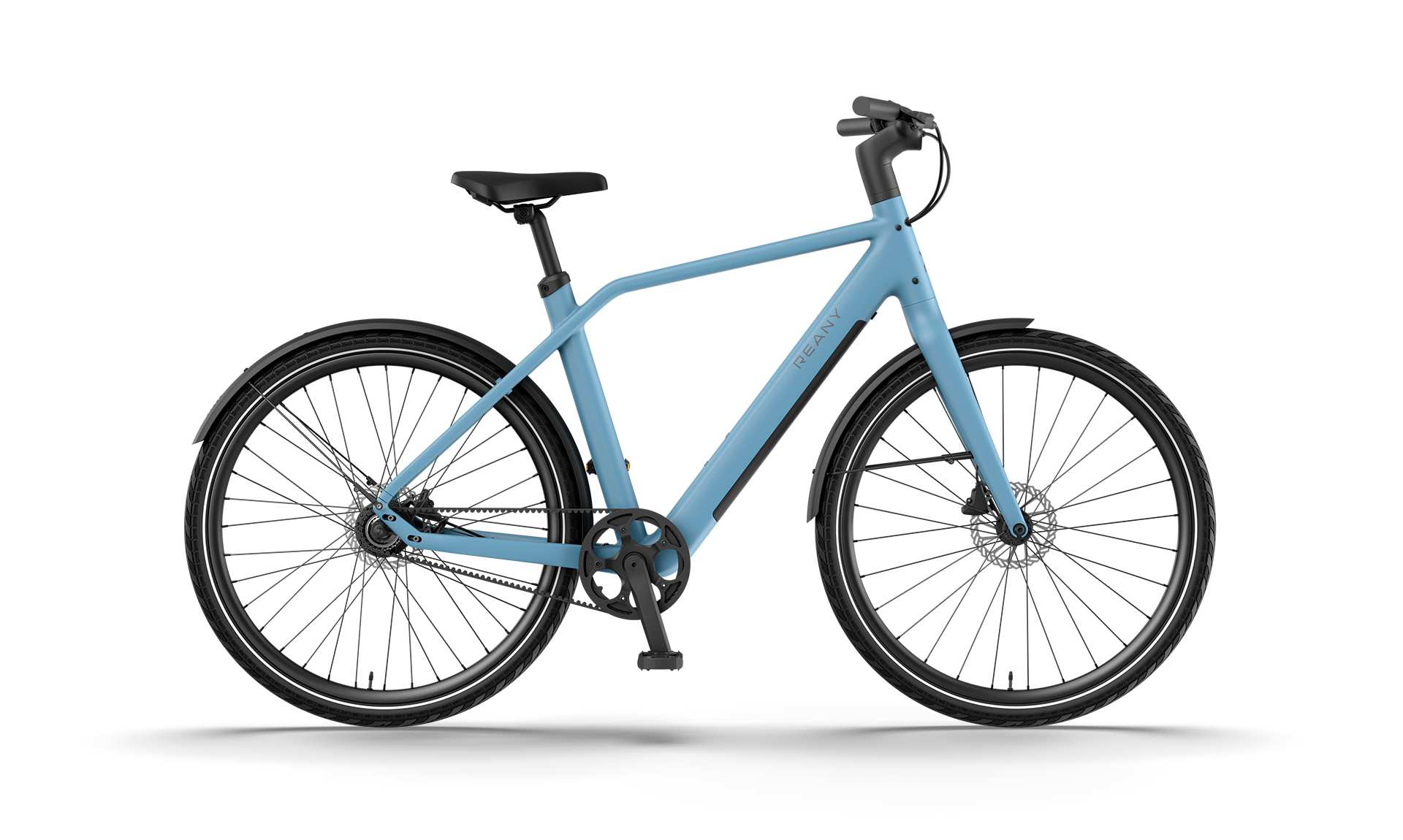
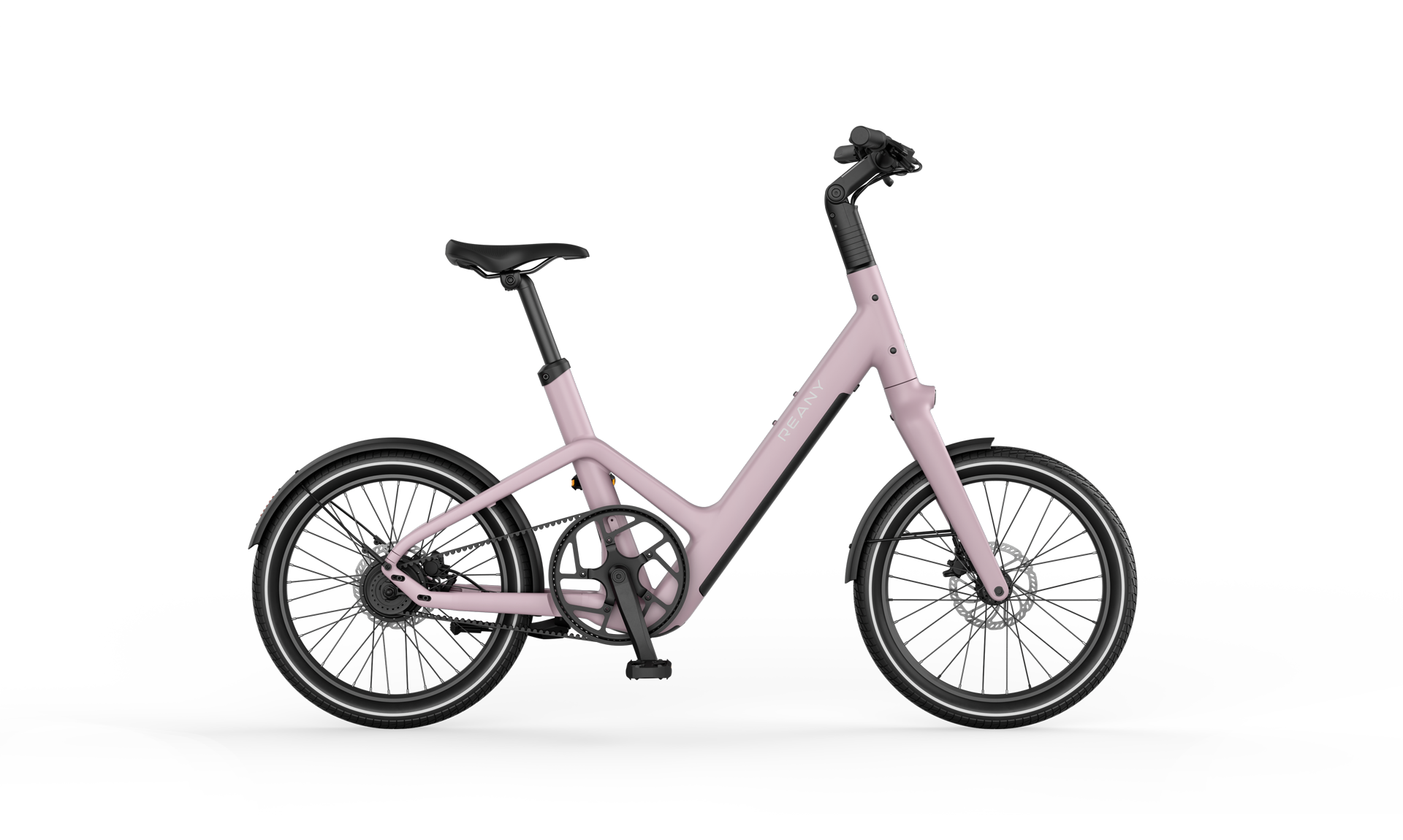
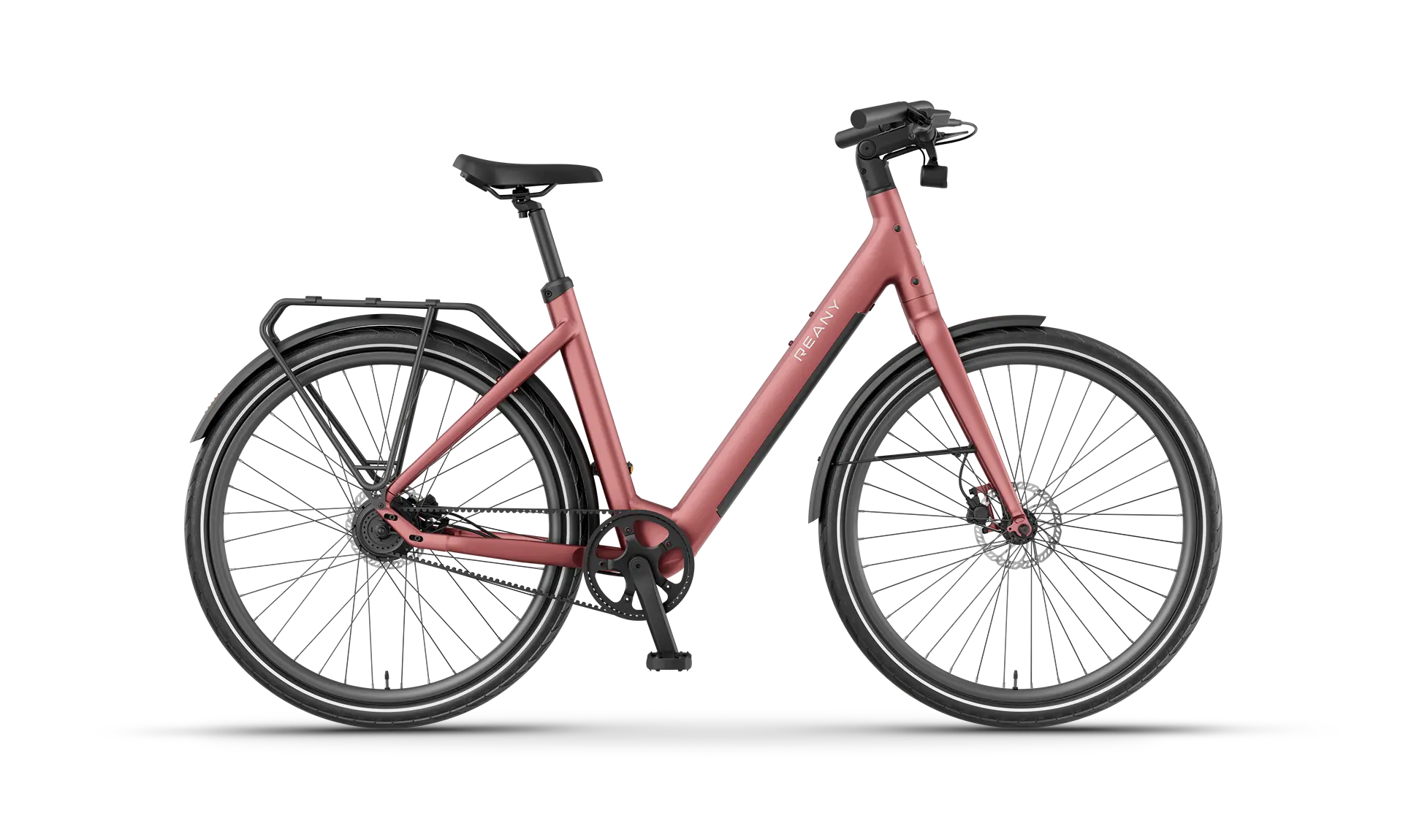
Here are some of the specifications listed on our official product pages:
Source: Official technical specifications for the Reany W1, V1 and C1.
The W1 and V1 share a listed tyre size, while the C1 uses tyres with different dimensions.
However, these measurements alone do not tell you how many PSI or bar to use.
As the earlier example illustrates, even tyres of the same dimensions may have different permitted pressure ranges.
The appropriate pressure should therefore be determined from the specifications of the tyres currently fitted to your bicycle, following the tyre manufacturer’s recommendations and the rim’s pressure limits.
If you have replaced the original tyres, use the inflation instructions for the replacements.
Frequently Asked Questions About E-Bike Tyre Pressure
How Often Should I Check Ebike Tire Pressure?
For an e-bike used regularly, checking tyre pressure once a week is a good habit.
You can find other routine checks in our Easy E-Bike Maintenance guide.
Do Front and Rear Tyres Need the Same Pressure?
Not necessarily.
Each wheel may carry a different load depending on the rider’s position and any luggage being transported.
Pressure should be adjusted according to each tyre’s specifications and the load it supports.
Can I Inflate My Tyres to the Maximum Pressure Shown?
The maximum pressure is a limit, not necessarily the ideal setting for everyday riding.
The appropriate operating pressure should be selected according to the tyre manufacturer’s recommendations for the tyre and its load.
Why Does My Tyre Keep Losing Pressure?
It is normal for tyres to lose some air over time.
However, frequent or rapid pressure loss may indicate a problem with the valve, inner tube or tyre.
If the wheel cannot maintain pressure or shows visible damage, have it inspected before riding.
Conclusion: How to Find the Right Tyre Pressure for Your E-Bike
The correct electric bike tyre pressure is not a universal number. It depends on the tyre’s specifications and your actual riding conditions.
Even two tyres of the same size can have different inflation limits. That is why identifying the correct tyre and understanding its pressure range matters more than following a generic figure.
To find the right setting, check the inflation instructions, consider the load and measure the pressure with a suitable gauge.
Maintaining the right tyre pressure is a simple task that contributes to a more comfortable, controlled and efficient ride through the city.