E-Bike Lights: What to Check for Night and Low-Light Riding
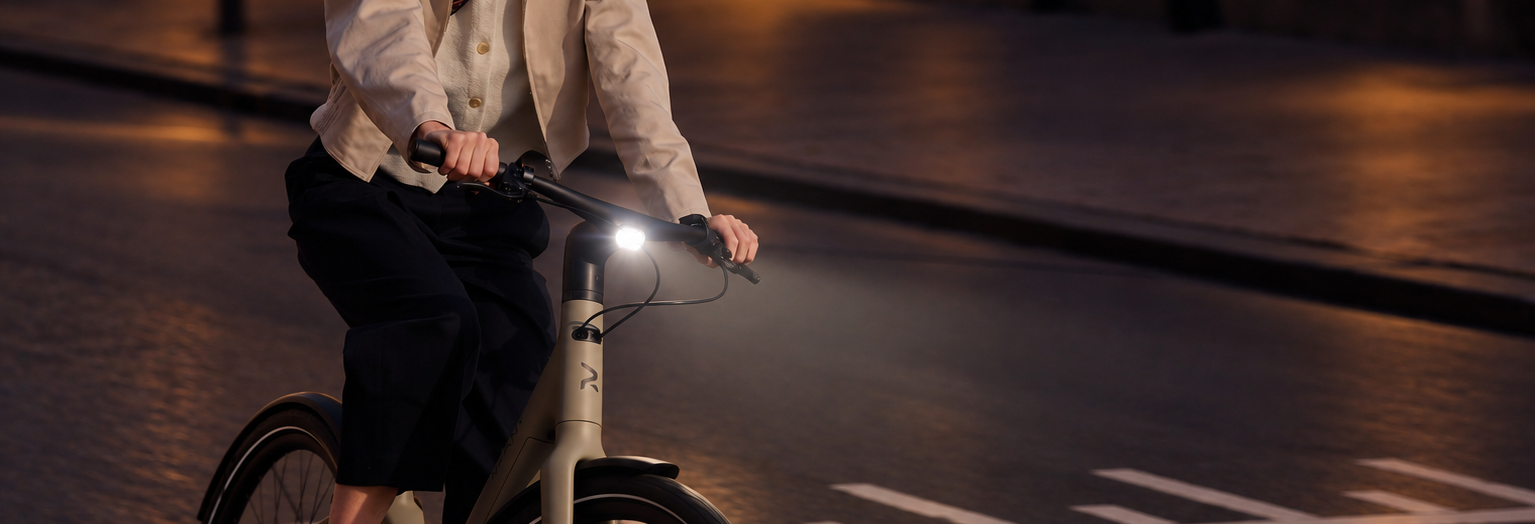
E-bike lights do not only matter when the street is completely dark. Dusk, rain, fog or poorly lit roads can quickly reduce what you can see and, just as importantly, how easily other road users can see you.
Good e bike lights have two different jobs: helping you see what is ahead and making the bike visible from both the front and rear. When assessing the lighting on an e-bike, it is therefore not enough to look at a single brightness figure. Beam distribution, light position, adjustment and how the lights are integrated into the bike also matter.
This guide explains what to check before riding at night or in low-light conditions, what specifications such as lux actually tell you and how to assess an e-bike lighting system for everyday riding.
Quick Answer: What Should You Check in E-Bike Lights?
Before riding at night or in low visibility, check five things:
- The front light illuminates the area ahead without dazzling other road users.
- The rear light is clearly visible and is not blocked by clothing, luggage or accessories.
- Both lights are correctly positioned and adjusted.
- You understand what the lighting specification — such as lux or lumens — actually measures before comparing different systems.
- The complete lighting system is working correctly before you start your ride.
A higher number does not automatically mean better e bike lights for everyday city riding. How the light is distributed, positioned and integrated into the bike is just as important.
What Should E Bike Lights Actually Do?
The front and rear lights perform different functions.
Front Light: Seeing and Being Seen
The front light should illuminate the area ahead of the bike.
On a well-lit city street, its main purpose may be to make you more visible. On darker roads or cycle paths, it also needs to help you identify the road surface, changes in terrain and possible obstacles.
That is why an e bike headlight should not be evaluated only by how bright it appears.
Beam pattern and adjustment also matter. A poorly positioned headlight may illuminate only the area immediately in front of the wheel, leave useful parts of the road in darkness or point too high and disturb people approaching from the opposite direction.
Rear Light: Making the Bike Visible from Behind
The rear light serves a different purpose: helping people approaching from behind identify the bike.
Its position is particularly important. Even a powerful rear light becomes less useful if it is hidden behind a jacket, bag, basket or another accessory.
When checking your e bike lights, do not only confirm that the rear light switches on. Make sure it remains clearly visible when the bike is configured exactly as you normally ride it.
Lux vs Lumens: What Do They Mean for E-Bike Lights?
Lux and lumens measure different aspects of lighting and should not be treated as interchangeable.
Lumens describe the total amount of light emitted by a source.
Lux, on the other hand, measures how much light reaches a specific surface. Beam distribution and distance therefore affect the lux value.
In practical terms, two electric bike lights with a similar total light output can illuminate the road very differently if their optics distribute that light in different ways.
This means you cannot directly convert a lux figure into lumens or assume that the highest number automatically represents the best light.
For everyday riding, it is more useful to consider several factors together:
| What to Check | Why It Matters |
| Published illumination level | Shows the specification provided by the manufacturer |
| Beam distribution | Determines where the light actually reaches |
| Adjustment | Helps prevent the light from pointing too high or too low |
| Front and side visibility | Helps other road users identify the bike |
| Rear light | Makes the bike visible to people approaching from behind |
Integrated vs Separate Bike Lights: What Changes in Everyday Use?
Integrated bike lights are built into the bike’s design, while separate lights are installed as additional components.
Neither system is automatically better in every situation.
| System | Main Advantage | What to Check |
| Integrated light | Always remains part of the bike and has a fixed position | Operation, adjustment and published specifications |
| Separate light | Can be installed, replaced or changed according to your needs | Charge level, mounting, position and compatibility |
| Combined system | Can add extra visibility to an existing setup | Lights should not interfere with each other and must comply with local regulations |
For riders who use their e-bike every day, integrated ebike lights can simplify the routine because they remain permanently attached to the bike. There is no need to remember to install a separate device before every ride.
However, “integrated” does not automatically tell you how the light is powered, how bright it is or what maintenance it requires. Those characteristics depend on the individual bike and should always be checked in the manufacturer’s specifications.
When Should You Use Your E-Bike Lights?
Complete darkness is not the only situation in which e bike lights become important.
Visibility can also decrease during:
- dusk or dawn;
- heavy rain;
- fog;
- poorly lit streets or cycle paths;
- underpasses and shaded areas;
- sudden transitions between bright and dark environments.
In these conditions, the objective is not simply to illuminate the road. Your lights also help drivers, cyclists and pedestrians detect your presence sooner.
If you regularly ride in wet conditions, lighting should be considered together with other factors such as tyres, brakes and riding technique. Our guide to riding an e-bike in the rain explains these aspects in more detail.
An Important Consideration for Riding in the Netherlands
In the Netherlands, cyclists must use front and rear lights at night and when visibility is seriously reduced. The front light must be white or yellow and the rear light red.
Lighting regulations can vary between countries, so always check the rules that apply where you ride.
Five Checks Before Riding at Night
Electric bike lights do not require a complete technical inspection before every ride, but a quick check can identify the most obvious problems before you leave.
1. Check That Both Lights Work
Switch on the front and rear lights before you leave.
Do not assume the system is working simply because it worked on your previous ride.
2. Check the Front Light Adjustment
The beam should point towards the useful area of the road ahead.
If it points too high, it may disturb people approaching from the opposite direction. If it points too far down, it may reduce the amount of road you can see.
3. Make Sure the Rear Light Is Not Obstructed
Check the bike with the equipment you actually use.
A bag, basket, long jacket or additional luggage can change rear-light visibility even when the light itself is functioning correctly.
4. Keep the Lights Clean
Water, dirt and road debris can accumulate on the lenses, particularly after riding in bad weather.
Clean them according to the manufacturer’s instructions. On an e-bike, avoid directing high-pressure water at electrical components.
For a broader bike check, see our simple e-bike maintenance guide.
5. Check the Lighting in Real Riding Conditions
A light can appear perfectly visible while the bike is stationary in a brightly lit environment and feel very different on a dark street or cycle path.
If you are considering a new e-bike, testing it in conditions similar to your normal routes can reveal something that a specification sheet cannot fully show: how the e bike lights work as part of the complete riding experience.
How Does Reany Integrate E-Bike Lights Into Its Bikes?
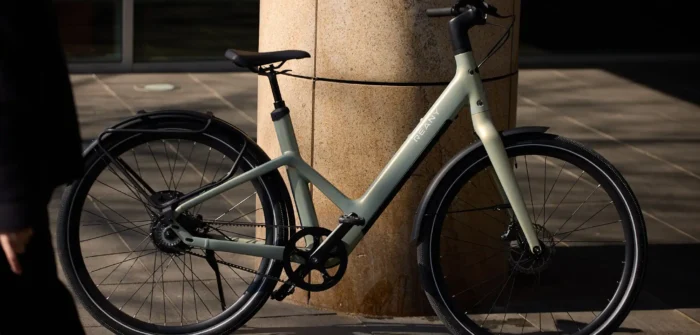
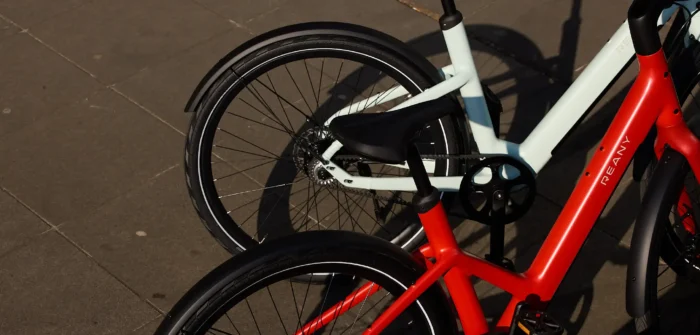
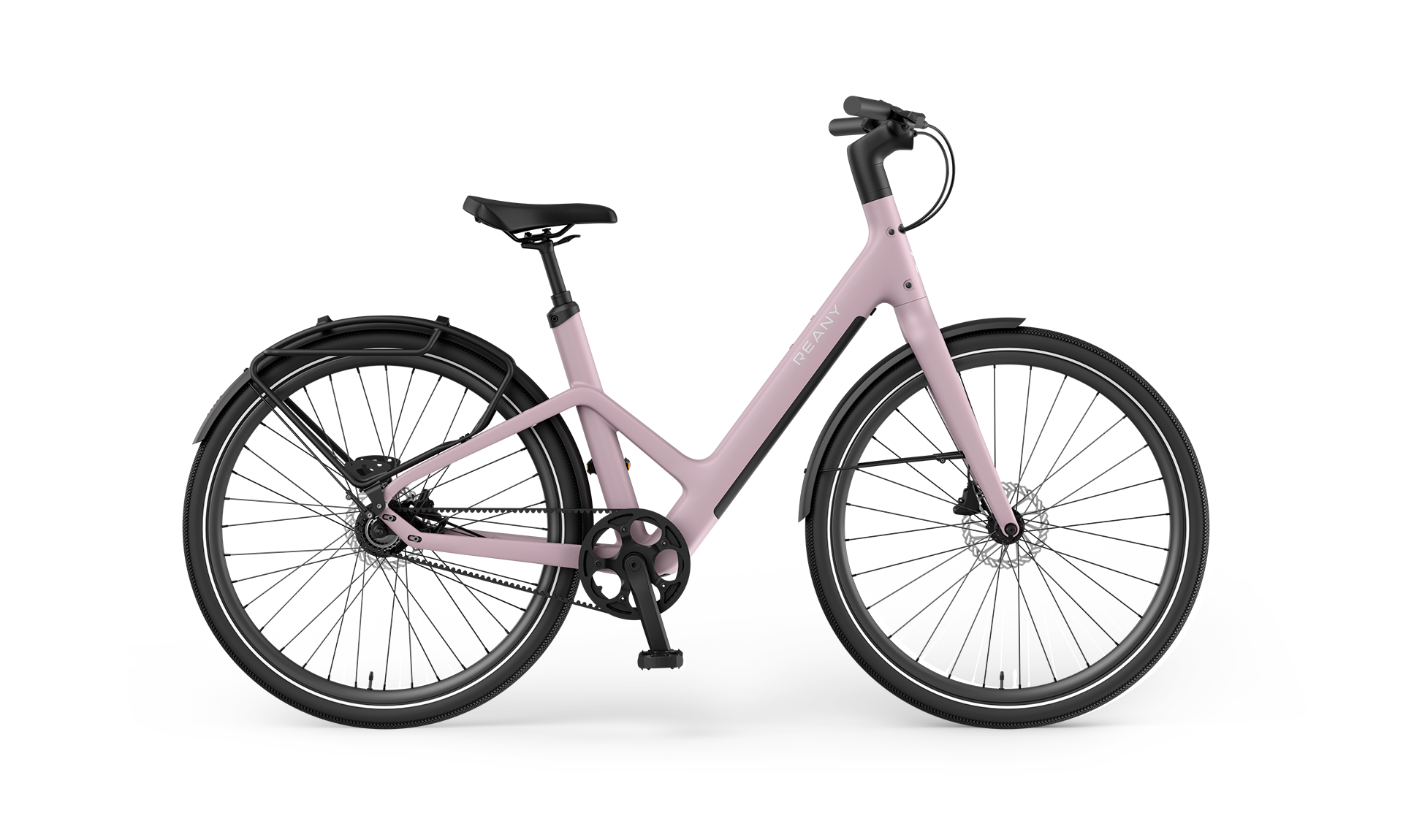
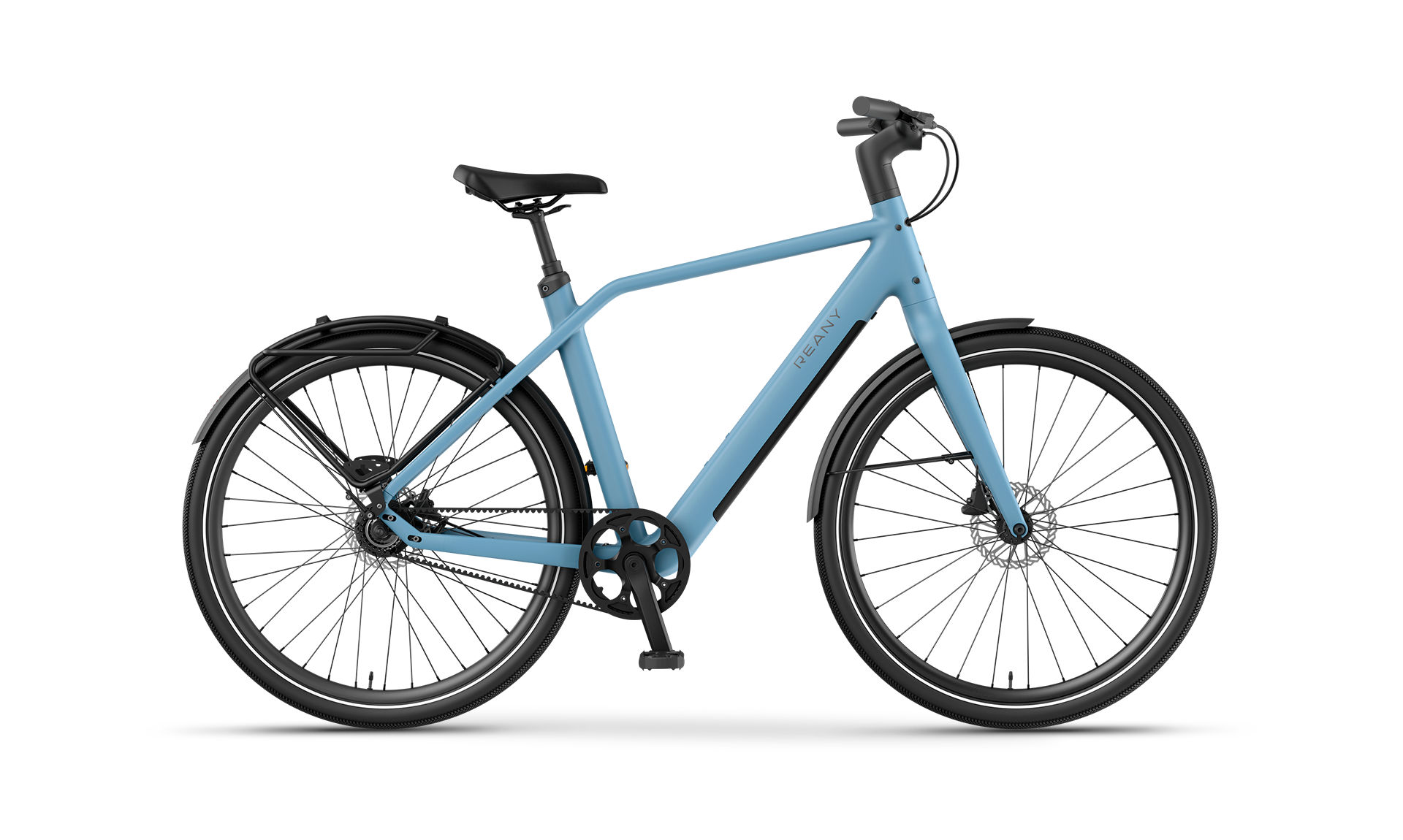
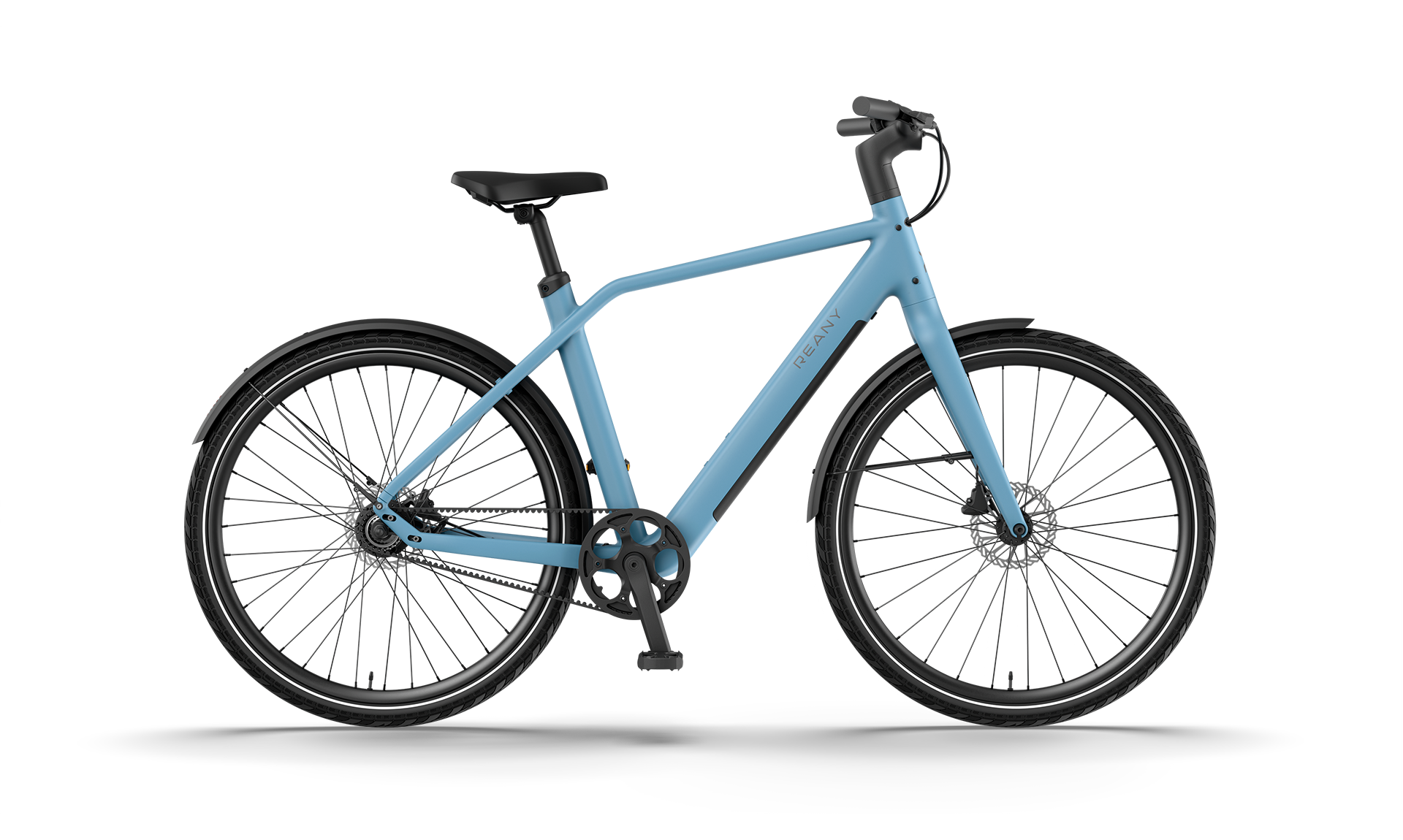
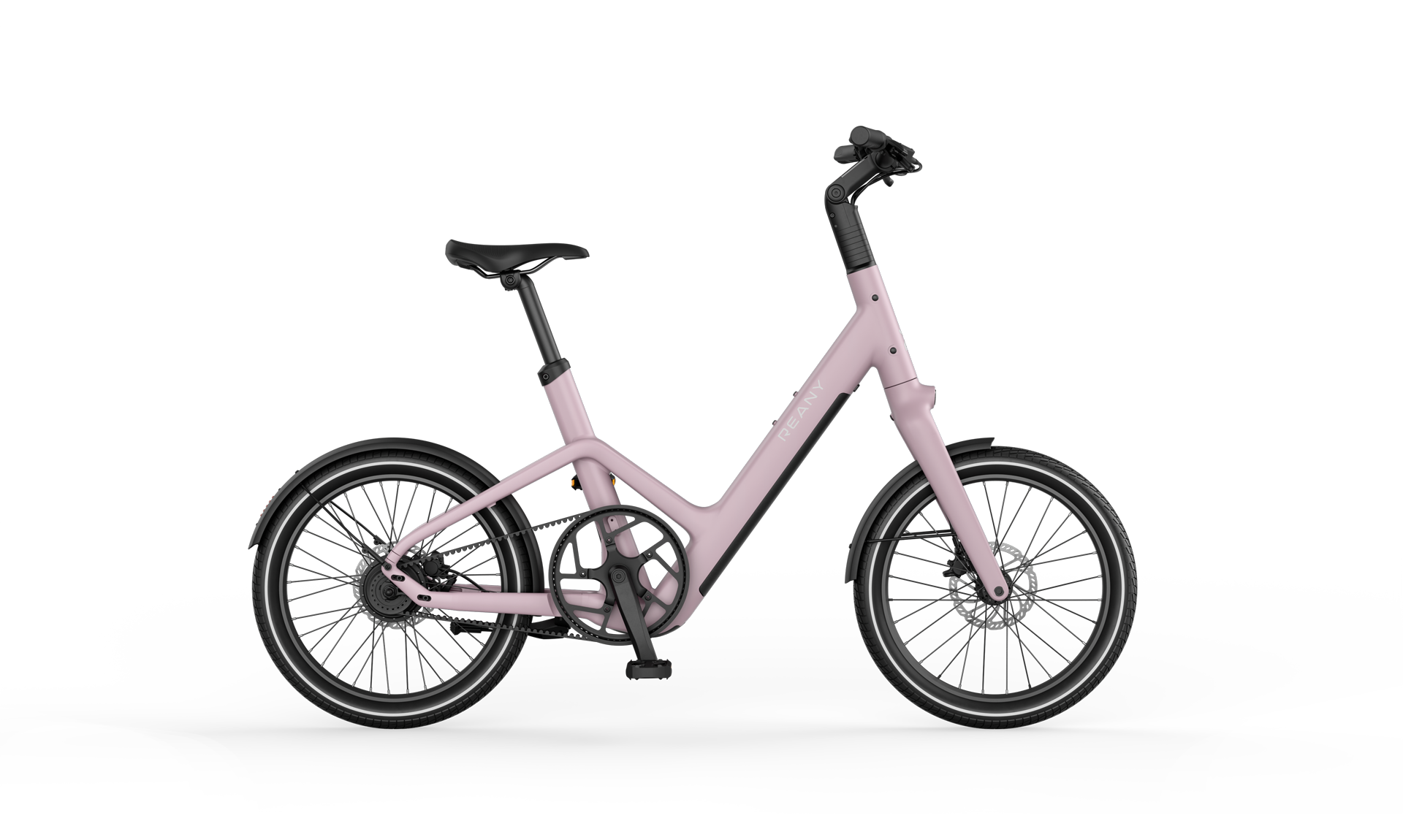
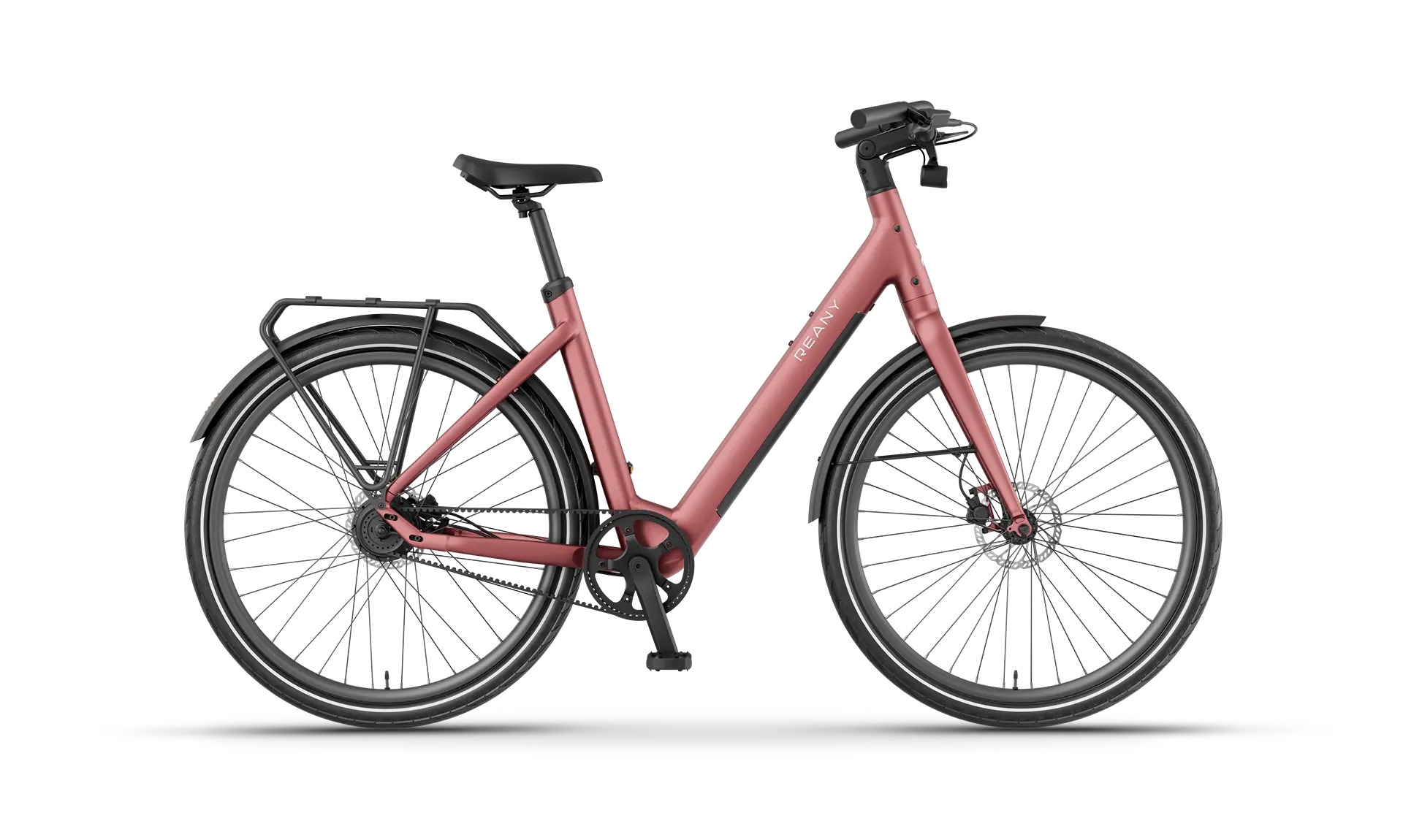
Reany integrates front and rear lighting into its current urban e-bike range.
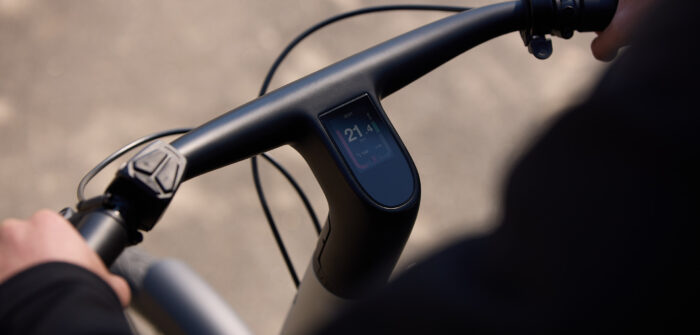
On the Reany W1, N1 and V1 from the Daily Series, the published specifications include a 40 lux LED front light integrated into the handlebar and an LED rear light integrated into the mudguard.
The W1 Pro and N1 Pro, as well as the W1 GT and N1 GT, use the same published configuration: a 40 lux LED front light integrated into the handlebar and an LED rear light integrated into the mudguard.
The V1 Vivo+ from the Vivo Series also features a 40 lux LED front light and an LED rear light integrated into the mudguard.
On the Reany C1, the front light is also specified at 40 lux, but its integration is different: the light is positioned in the fork. The rear LED light remains integrated into the mudguard.
| Reany Model / Range | Published Front Light | Published Rear Light |
| W1 / N1 / V1 | 40 lux LED, integrated into the handlebar | LED, integrated into the mudguard |
| W1 Pro / N1 Pro | 40 lux LED, integrated into the handlebar | LED, integrated into the mudguard |
| W1 GT / N1 GT | 40 lux LED, integrated into the handlebar | LED, integrated into the mudguard |
| V1 Vivo+ | 40 lux LED | LED, integrated into the mudguard |
| C1 | 40 lux LED, integrated into the fork | LED, integrated into the mudguard |
These specifications show how Reany configures the lighting systems across its current e-bike range, but they should not be interpreted as a specific lighting distance or lumen output. Reany does not publish those figures in the product specifications, so they should not be estimated.
You can also explore the current Reany e-bike range to compare the different models and configurations.
What Should You Check During an E-Bike Test Ride?
Technical specifications are useful when comparing bikes, but e bike lights should also be assessed as part of the complete riding experience.
During a test ride, check:
- whether the front light illuminates the area you naturally look towards while riding;
- whether its position integrates naturally with the handlebar and controls;
- whether you can easily tell when the lighting system is operating;
- whether the rear light remains visible with the bike configured as you would normally use it;
- whether the lighting feels suitable for the streets and cycle paths you ride most often.
The aim is not necessarily to find the bike with the highest number on a specification sheet. What matters is whether the lighting system suits your typical routes and riding conditions.
You can book a Reany test ride to assess the lighting, riding position and overall behaviour of the bike during the same ride.
Frequently Asked Questions About E-Bike Lights
Do E-Bikes Need Different Lights from Conventional Bikes?
Not necessarily.
The basic function remains the same: illuminate the road when necessary and make the cyclist visible to others.
The main difference can be how the lights are integrated into the bike and its electrical system. These characteristics depend on the specific e-bike and should be checked in the manufacturer’s specifications.
Are Integrated Bike Lights Better for an E-Bike?
It depends on how you use the bike.
An integrated light has the advantage of remaining permanently attached to the bike in a defined position. A separate light provides more flexibility if you want to replace it or change the lighting configuration.
Integration alone does not determine lighting quality.
What Is More Important: Lux or Lumens?
They measure different things.
Lumens indicate the total amount of light emitted by a source, while lux describes the amount of light reaching a surface.
When assessing a bike headlight, beam distribution and adjustment should therefore be considered alongside the published figure.
Does 40 Lux Mean the Headlight Illuminates 40 Metres?
No.
Lux is a unit of illuminance, not distance. A specification of 40 lux does not, by itself, tell you how far ahead the road will be illuminated.
Should You Use E-Bike Lights Before It Is Completely Dark?
Yes, they can also be useful when visibility is reduced even if some natural light remains.
Conditions such as rain, fog, dusk or poorly lit streets can make the bike harder to see. You should also follow the lighting regulations that apply in the country where you ride.
Conclusion: Good E-Bike Lights Are About More Than One Number
Choosing the right e bike lights is about more than comparing a single lux or lumen figure.
A practical system combines a correctly adjusted front light, a clearly visible rear light and an integration that works naturally in everyday use.
Before riding in low-light conditions, the basic check is simple: both lights should work, remain clean, be correctly positioned and stay visible with the bike configured exactly as you normally ride it.
Reany integrates front and rear lighting across its current e-bike range, with a published 40 lux front light on the models reviewed and different integration solutions depending on the bike’s design.
Specifications are useful for comparison. A test ride allows you to check how that lighting works in the type of riding you actually do.