Rear Hub vs Mid-Drive E-Bike Motors: Which Is Better for City Riding?
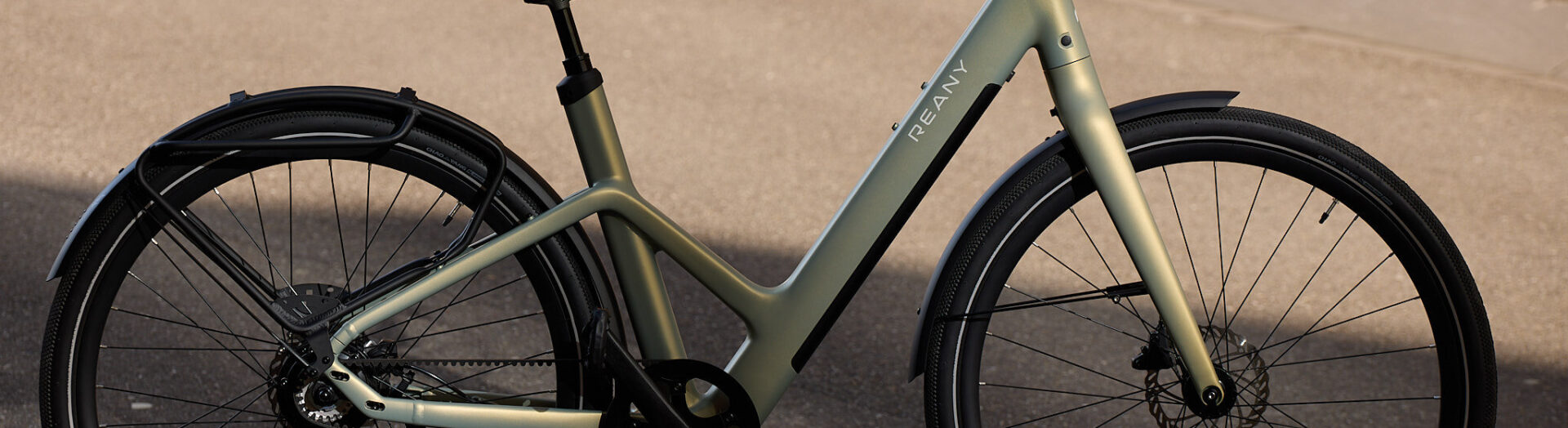
When choosing an electric bike, we often focus on battery range, weight or design. But another feature deserves attention: where the motor is located.
Two common systems are rear hub motors and mid-drive motors. Both provide electric pedal assistance, but their construction, power delivery and suitability for different routes can vary.
If you’re comparing hub motor vs mid drive systems for everyday city riding, the most useful question is how each performs on the streets you actually use.
Quick Answer
For everyday city commuting on mostly flat roads, a rear hub motor is an excellent choice. Its straightforward construction and direct power delivery make it particularly well suited to urban cycling.
For routes with frequent, demanding climbs, a mid-drive motor with suitable gearing often has the advantage. It can use the bicycle’s gears to deliver assistance across different gradients.
For most urban riders, the priority should be choosing a system that suits their regular journeys rather than paying for motor capabilities they rarely need.
Hub Motor vs Mid Drive: Key Differences
The fundamental difference between the two systems is how motor assistance reaches the wheel.
A rear hub motor is integrated into the centre of the rear wheel, delivering assistance directly to it without using the bicycle’s gear ratios.
A mid-drive motor sits near the bottom bracket and transfers assistance through the drivetrain. On bikes with multiple gears, the motor can benefit from different gear ratios, especially when climbing.
As explained in the Reany Bikes e-bike glossary, hub motors are known for their simple construction, while mid-drive motors offer centralised weight distribution and characteristics suited to hilly terrain.
| Feature | Rear Hub Motor | Mid-Drive Motor |
| Location | Centre of the rear wheel | Bottom bracket area |
| Power delivery | Directly to the rear wheel | Through the drivetrain |
| Motor weight distribution | Concentrated at the rear wheel | More centralised |
| Relationship with gears | Assistance operates independently of gear ratios | Can use different gear ratios |
| Flat urban commutes | Well suited to everyday riding | Also suitable |
| Frequent demanding climbs | Performance depends on motor and bicycle configuration | Often advantageous when paired with suitable gearing |
| Maintenance | Simple motor construction | Drivetrain also transfers motor assistance |
For city riders, the most relevant differences are usually hill-climbing requirements, assistance response and routine maintenance.
Which Motor Is Better for Everyday City Riding?
Flat Streets and Daily Commuting
For journeys along relatively flat roads and cycle lanes, a rear hub motor ebike is a strong choice.
The motor provides assistance directly to the wheel, making it a practical solution for everyday urban cycling.
If your commute mainly involves cycle paths, junctions and short journeys around the city, a rear hub motor offers a straightforward configuration without requiring a mid-drive system.
The Reany electric bike guide also identifies hub motors as a suitable option for flatter terrain.
Routes with Frequent Hills
For regular, demanding climbs, a mid-drive motor with suitable gearing is generally the more compelling option.
Because it transfers assistance through the drivetrain, it can take advantage of lower gears when climbing.
A rear hub motor can still assist on hills, but it cannot use the bicycle’s gear ratios to change how its motor power reaches the wheel.
That distinction becomes more relevant as climbs become longer or more demanding.
There is no universal gradient at which one motor becomes better than the other. Climbing performance also depends on motor torque, rider and luggage weight, gearing and the bicycle’s overall configuration.
Starting and Changing Pace
City riding involves repeated stops, starts and changes in speed. In these situations, motor position is not the only factor affecting responsiveness.
A torque sensor detects the force applied to the pedals and allows the system to adjust assistance accordingly.
This means that a rear hub motor can also deliver assistance that responds to pedalling effort.
Reany uses this combination in its urban e-bikes, demonstrating why the sensor and motor should be evaluated together rather than judging ride quality by motor location alone.
What About Maintenance?
The motor’s position affects the bicycle’s construction, but maintenance requirements also depend on the drivetrain.
A rear hub motor delivers electric assistance directly to the wheel. In a mid-drive system, motor assistance travels through the transmission.
This distinction matters when assessing how the drivetrain is used and maintained.
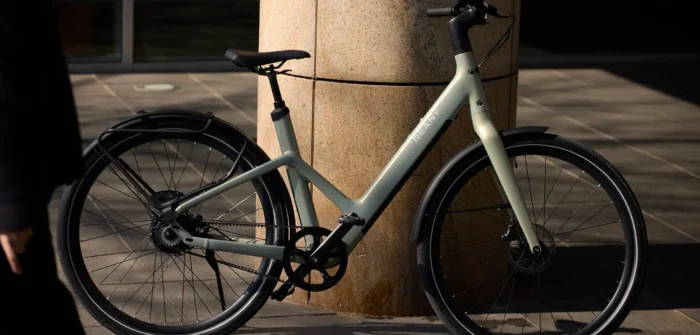
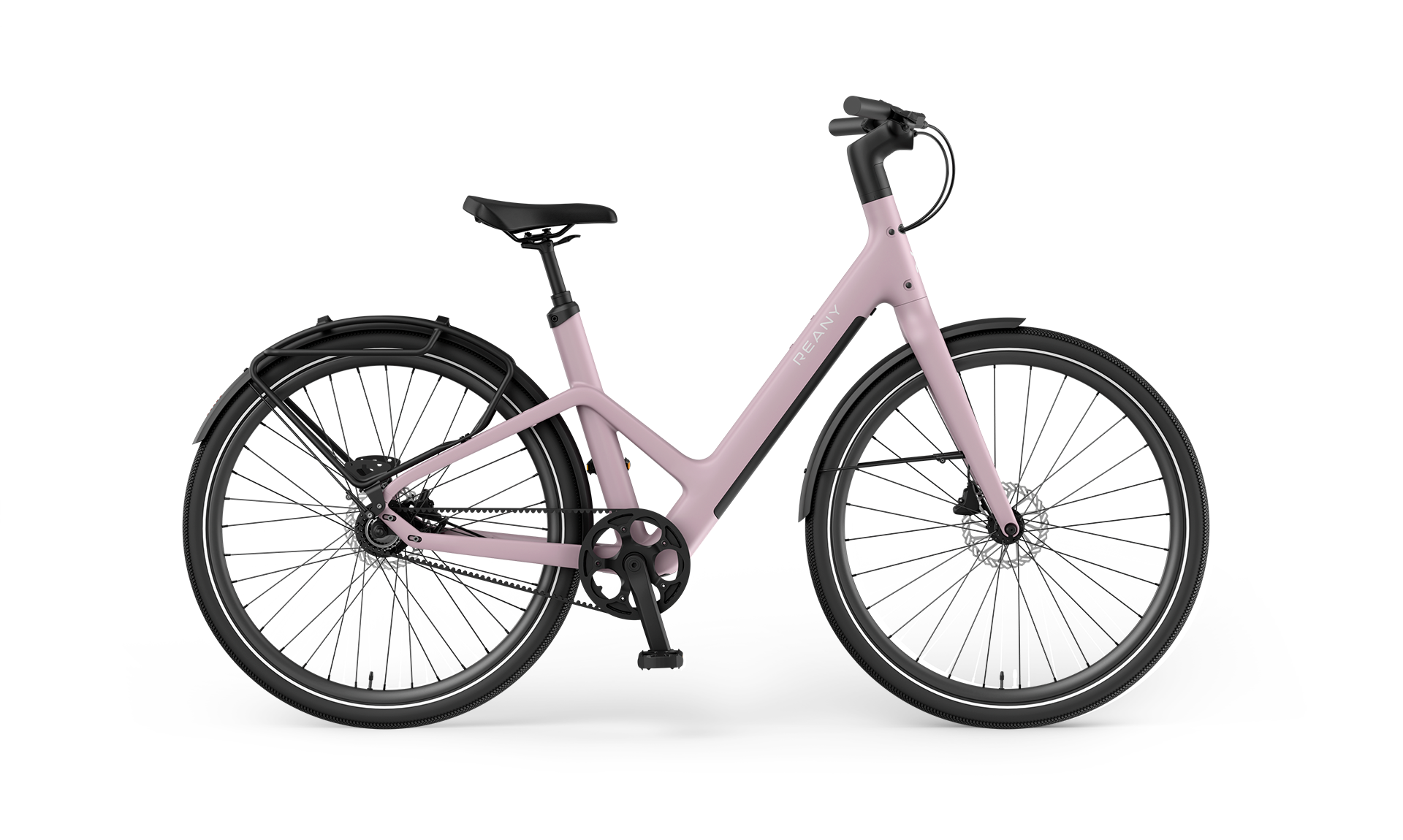
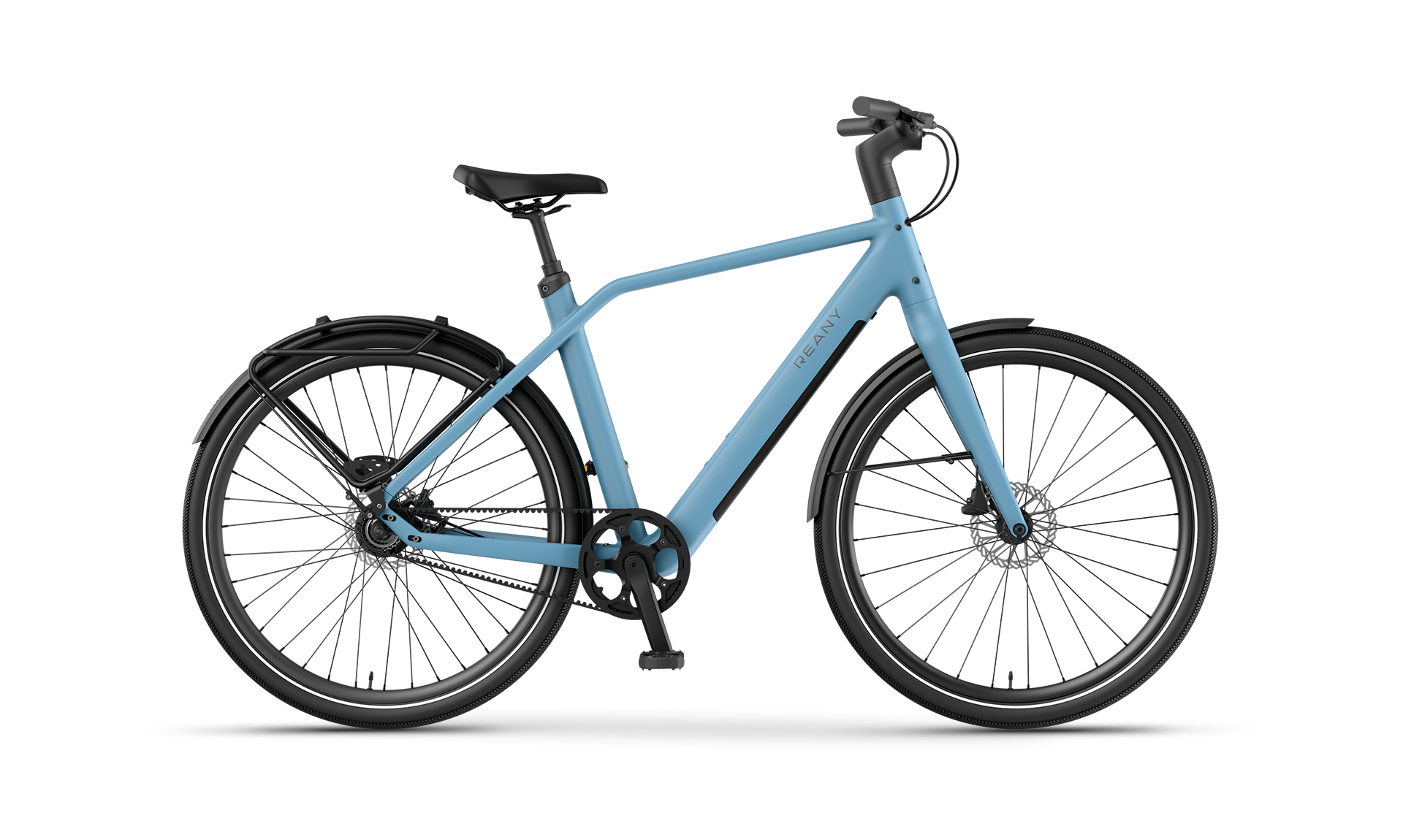
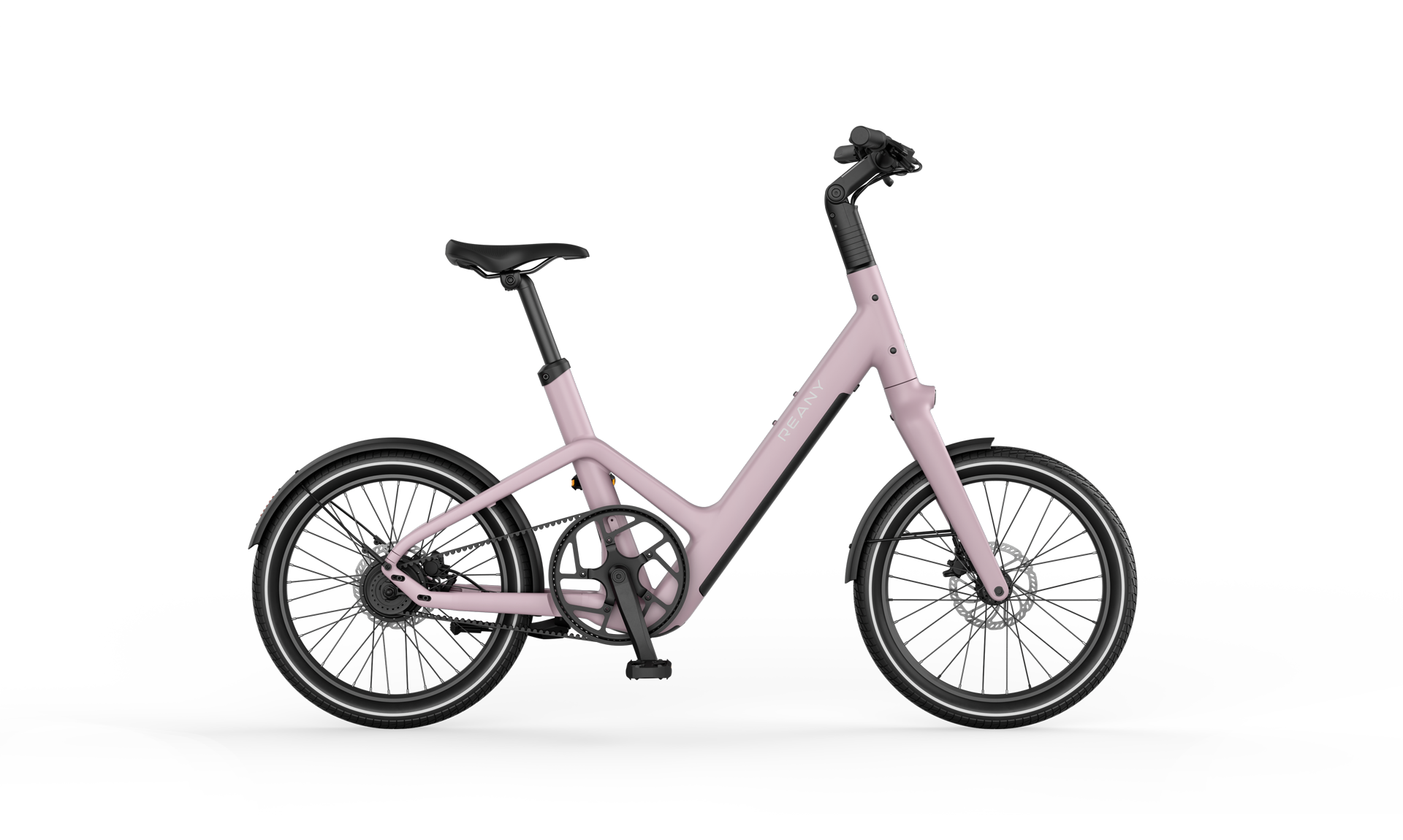
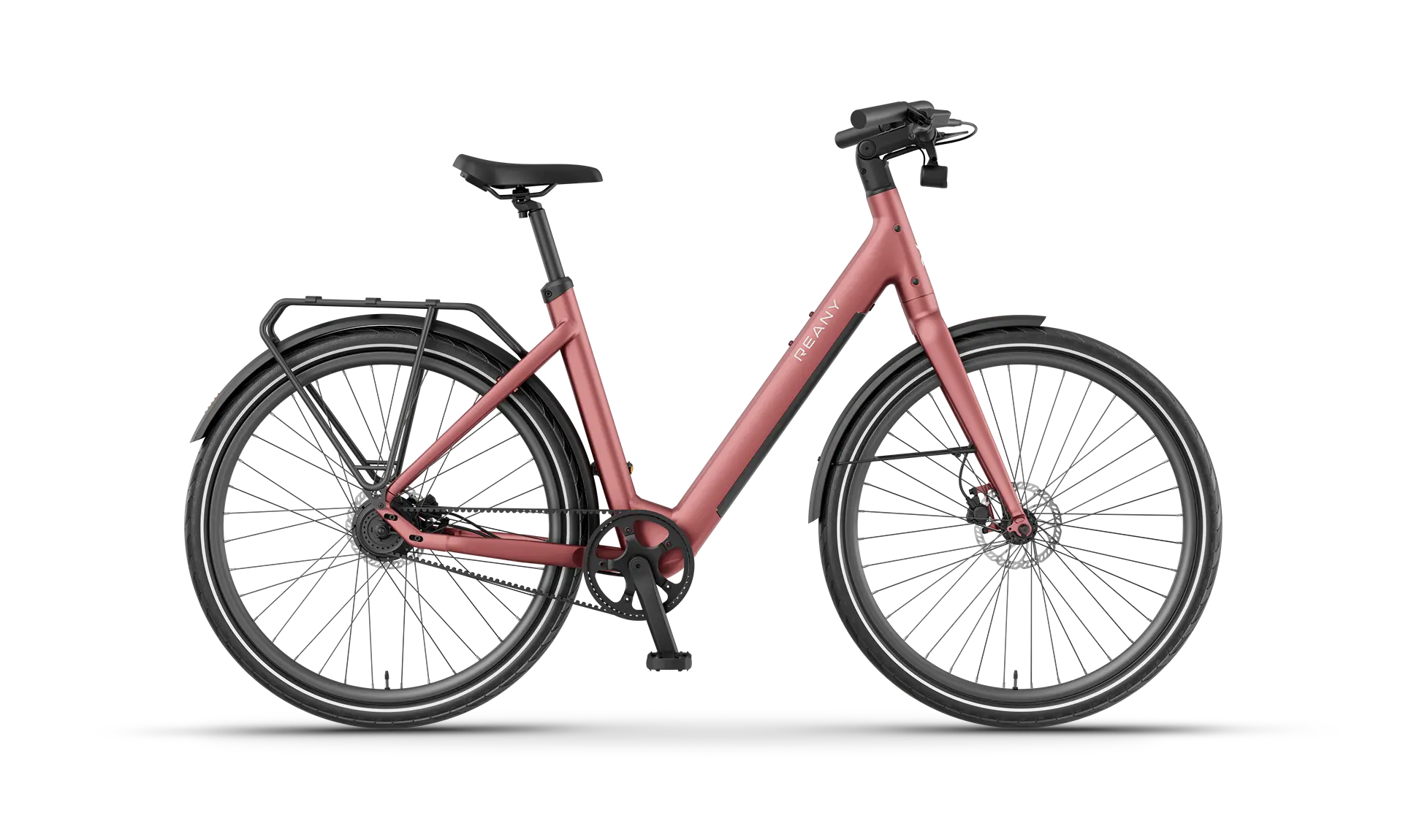
For example, the Reany W1 and Reany V1 combine rear hub motors with the Gates Carbon Belt Drive.
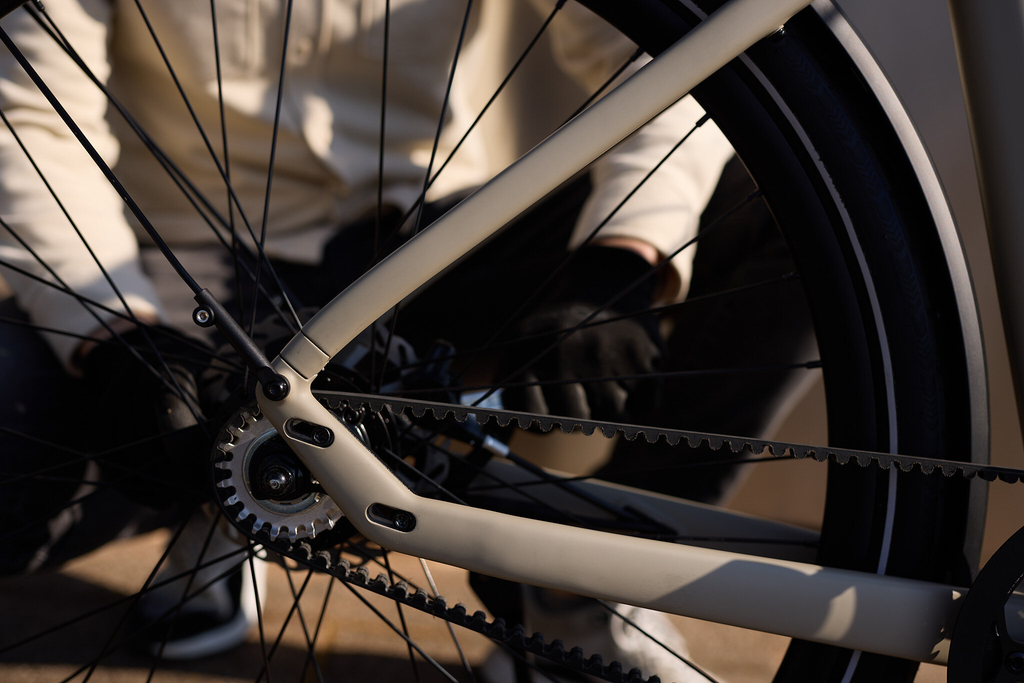
This drivetrain uses a belt instead of a traditional metal chain and does not require regular chain lubrication.
For everyday commuters, this means fewer routine lubrication tasks and no greasy chain to maintain. However, the belt still requires periodic inspection, cleaning and correct tension.
You can explore these differences in our e-bike belt drive vs chain comparison.
A rear hub motor also places the motor within the rear wheel, which is worth considering when servicing that wheel.
The practical takeaway is to compare the complete motor and drivetrain configuration rather than treating either system as maintenance-free.
Rear Hub Motors on Reany E-Bikes
Reany uses rear hub motors in its urban e-bike range, following its Back to Bike philosophy of combining lightweight design, straightforward technology and everyday practicality.
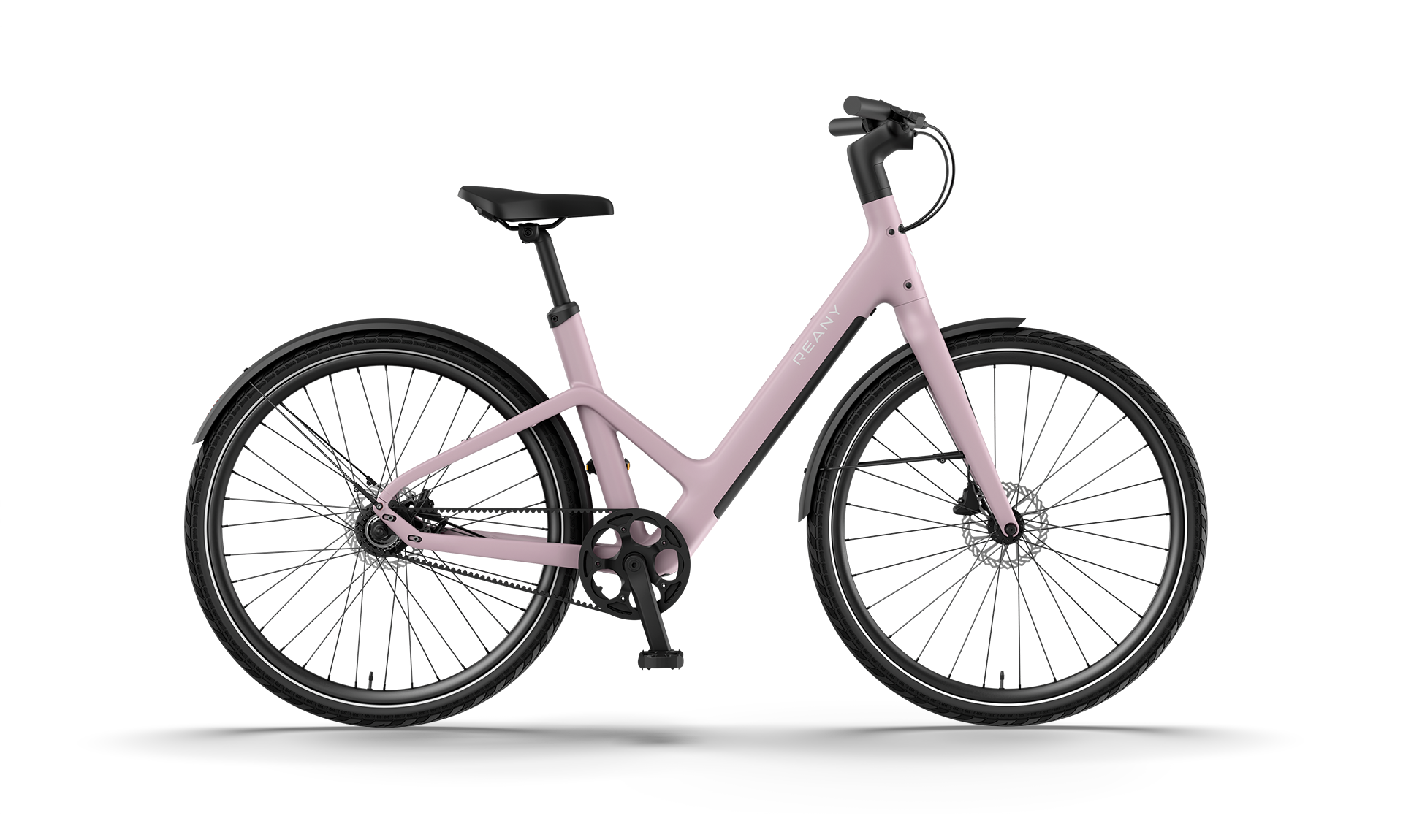
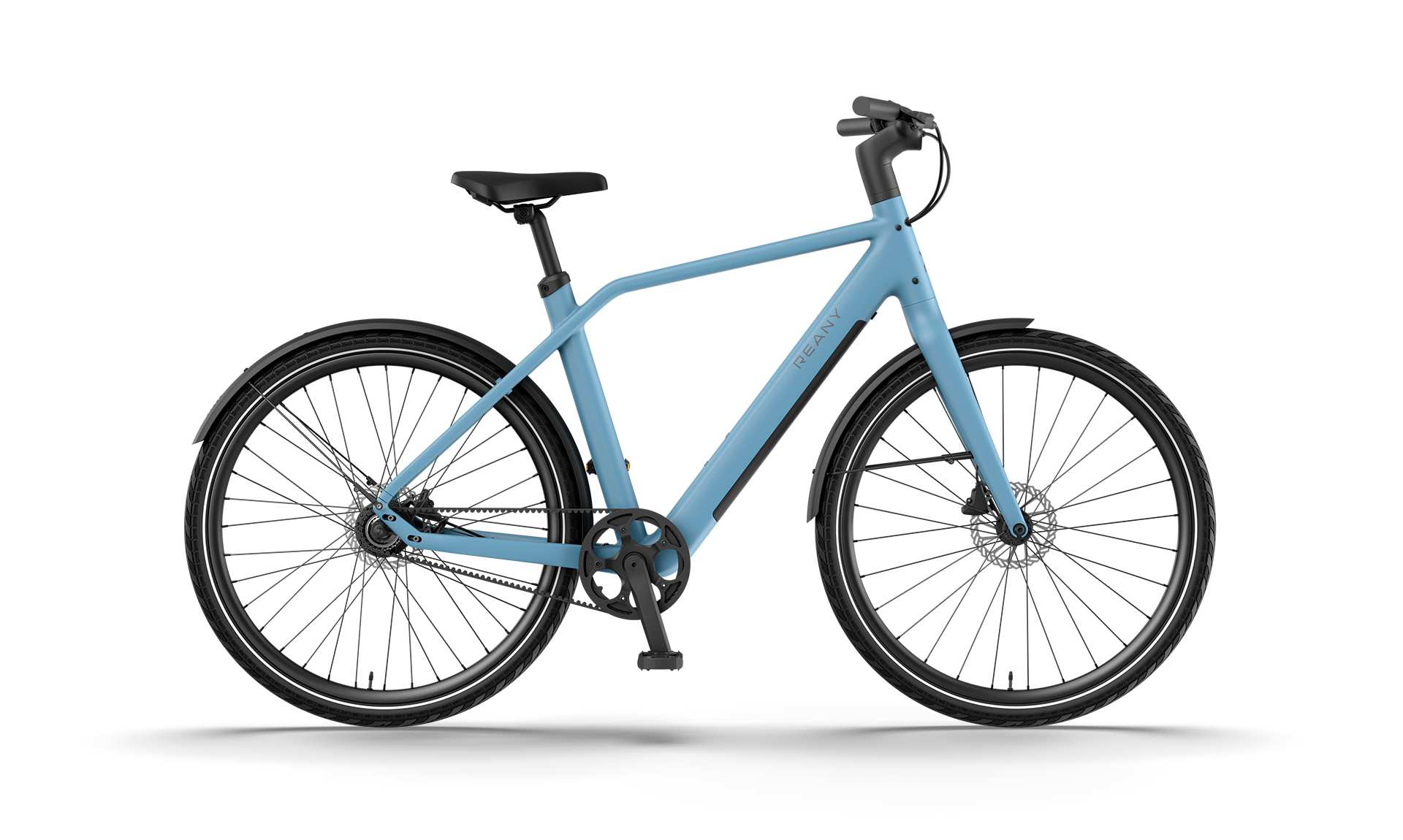
The Reany W1 and Reany V1 show how this approach works in two different bicycle configurations.
| Feature | Reany W1 | Reany V1 |
| Motor | Mivice M070 | Mivice M070 |
| Motor location | Rear hub | Rear hub |
| Rated power | 250 W | 250 W |
| Motor torque | 35 Nm | 35 Nm |
| Battery capacity | 360 Wh | 360 Wh |
| Advertised range | Up to 100 km | Up to 100 km |
| Sensor | Sealed BB torque sensor | Sealed BB torque sensor |
| Drivetrain | Gates Carbon Belt | Gates Carbon Belt |
| Geometry | Active | Comfort |
Source: Official technical specifications for the Reany W1 and Reany V1. The advertised range is a manufacturer-stated maximum, not a measured comparison with a mid-drive e-bike. Actual range varies with riding conditions.
Both bicycles use the Mivice M070 rear hub motor, paired with a torque sensor that adapts assistance to pedalling effort and a Gates belt drivetrain that avoids regular chain lubrication.
These are practical characteristics for everyday city riding, although they do not establish that the Mivice M070 is more efficient than an equivalent mid-drive motor.
The main difference between the two models is their geometry: the W1 features Active geometry, while the V1 offers Comfort geometry.
This illustrates an important point: two e-bikes with identical motor specifications can still offer different riding positions. Motor choice is only one part of finding the right bicycle.
How to Choose the Right E-Bike Motor
The hub motor vs mid drive decision becomes easier when you start with your everyday riding conditions.
| Your typical situation | Recommended starting point |
| Mostly flat urban commuting | Rear hub motor |
| Frequent, demanding climbs | Mid-drive motor with suitable gearing |
| Simple routine drivetrain care | Rear hub motor combined with a low-maintenance drivetrain |
| Assistance that responds to pedalling effort | Look for a torque sensor, regardless of motor position |
| Comparing bikes for daily use | Test their responsiveness, comfort and hill-climbing performance |
If possible, test an e-bike on a route that resembles your usual commute. Pay attention to how it starts from a standstill, responds when accelerating and handles any hills you regularly encounter.
A test ride can tell you more about the complete riding experience than motor position or torque figures alone.
Frequently Asked Questions
Are Mid-Drive Motors Better for Climbing Hills?
A mid-drive motor with suitable gearing often has an advantage on long or demanding climbs because it can use the bicycle’s gears.
Rear hub motors can also provide hill-climbing assistance, but their performance depends on the motor and the overall bicycle configuration.
Which E-Bike Motor Lasts Longer: Hub or Mid-Drive?
Neither motor type has a universally longer lifespan.
Durability depends on motor construction, riding conditions, maintenance and the quality of the complete system. It is important to distinguish the lifespan of the motor itself from wear on drivetrain components.
Are Rear Hub Motor E-Bikes Cheaper?
Rear hub motor systems are often found on more affordable e-bikes, partly because of their relatively simple construction.
However, the price of a complete bicycle also depends on its frame, battery, drivetrain and other components. Motor position alone does not determine the purchase price.
Does a Mid-Drive Motor Always Offer Better Battery Range?
Not necessarily.
Battery range depends on several factors, including battery capacity, terrain, assistance level and rider weight. Motor efficiency also varies between individual systems.
Without comparable tests under the same conditions, it would be inaccurate to claim that one motor type always delivers a longer range.
Can a Rear Hub Motor Feel Natural When Pedalling?
Yes. The pedal-assist sensor plays an important role in how the bicycle responds.
For example, the Reany W1 and Reany V1 combine rear hub motors with torque sensors that adjust assistance according to pedalling effort.
Conclusion: Rear Hub or Mid-Drive for City Riding?
For predominantly flat city commuting, a rear hub motor is our recommended starting point. It provides a straightforward solution for everyday riding, particularly when paired with a low-maintenance drivetrain.
For regular, demanding hills, a mid-drive motor with suitable gearing deserves priority. Its ability to work through the bicycle’s gears is a meaningful advantage in those conditions.
The most important part of the hub motor vs mid drive comparison is matching the motor system to your actual route.
Motor placement matters, but the drivetrain, sensor, geometry and overall bicycle configuration ultimately determine whether an e-bike is a good fit for everyday use.