Electric Bike with Belt Drive: Is It Better Than a Chain for Everyday Riding?
For frequent urban riders, an e bike belt drive is usually the better option when simple maintenance and clean indoor storage matter more than initial price and easy roadside repairs. A chain remains the more affordable and flexible choice.
Both systems transfer pedalling power to the rear wheel, but they create a different ownership experience. A belt avoids regular lubrication and works with specifically compatible components. A chain costs less, supports a wider variety of gearing configurations and can be repaired in almost any bicycle workshop.
The right choice depends on how frequently you ride, where you store the bicycle, how much maintenance you want to carry out and whether compatible servicing is available nearby.
What Is an E Bike Belt Drive?
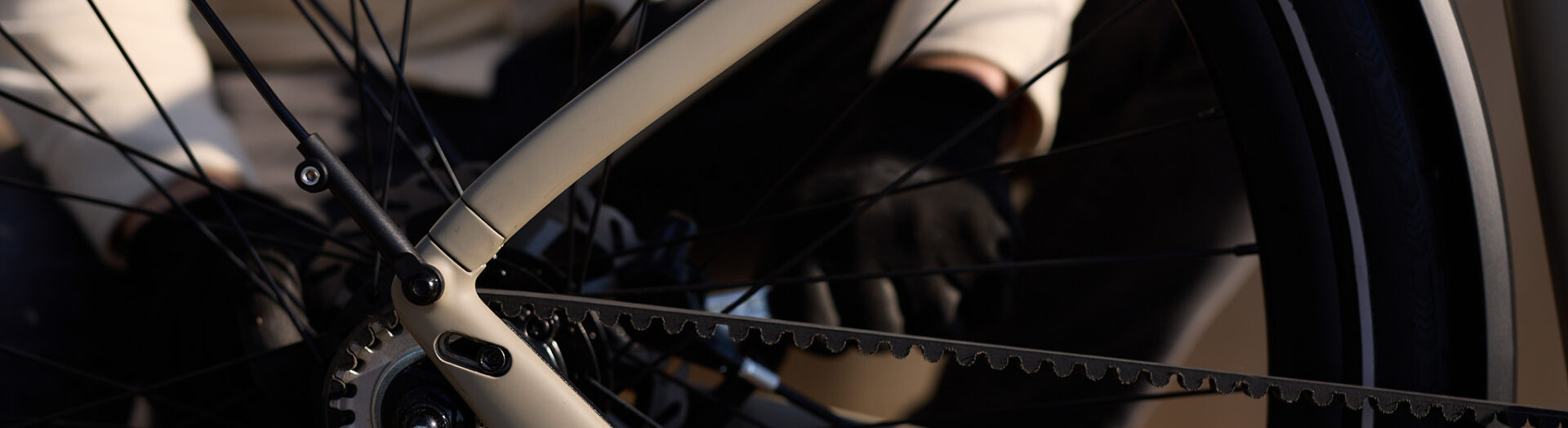
An e bike belt drive replaces the traditional metal chain with a continuous toothed belt connecting the front sprocket to the rear sprocket.
When the rider pedals, the belt transfers that movement to the rear wheel. The motor still provides electrical assistance; the belt is the mechanical component responsible for transmitting the rider’s effort.
According to Gates Carbon Drive, its bicycle belts contain carbon-fibre tensile cords, do not require greasy lubrication, do not rust like a metal chain and can be cleaned with water.
How Does a Belt-Driven Electric Bike Work?
A belt-driven electric bike feels similar to any other e-bike from the rider’s perspective: you begin pedalling, the motor adds assistance and the drivetrain turns the rear wheel.
Mechanically, the system requires:
- Compatible front and rear sprockets.
- A straight and correctly configured beltline.
- The appropriate belt length.
- Accurate alignment.
- Correct tension.
- A frame designed to accommodate the closed belt.
Correct tension is essential. Gates explains that insufficient tension can cause the belt teeth to skip over the rear sprocket, while excessive tension can damage rear-hub bearings, increase drag and accelerate drivetrain wear.
Because the belt is a continuous loop, it cannot simply be opened and reconnected like a chain. The bicycle frame must therefore be designed for the system from the outset.
E Bike Belt Drive vs Chain: What Are the Main Differences?
The following table summarises the practical differences between an e bike belt drive and a conventional chain drivetrain.
| Feature | Belt drive | Chain drive |
| Routine maintenance | Does not require regular lubrication | Requires cleaning and lubrication |
| Cleanliness | No greasy oil around the drivetrain | Can accumulate grease and road dirt |
| Noise | Generally quiet when correctly adjusted | Can become noisier as it wears or loses lubrication |
| Wet conditions | Does not rust like a metal chain | Can corrode without appropriate care |
| Durability | Depends on the belt, tension, alignment and riding conditions | Depends on wear, motor torque, weather and maintenance |
| Repairs | Requires a correctly sized compatible belt | Chains and repair services are widely available |
| Initial price | Usually higher | Generally more affordable |
| Frame compatibility | Requires a belt-compatible frame | Compatible with most bicycle frames |
| Gearing | Single-speed or compatible internal gear systems | Internal gears or conventional derailleur-and-cassette systems |
Selected Reany models equipped with Gates Carbon Drive are described by Reany as offering up to 30,000 km of maintenance-free riding. This figure is specific to those Reany models and configurations. It is not a guaranteed lifespan, a universal replacement interval or a claim that applies to every bicycle belt.
Belt systems can also support multiple gears. Shimano documents belt compatibility with NEXUS INTER-5E/8 and ALFINE INTER-11/8 configurations. Enviolo also publishes specific Gates-compatible sprockets and beltlines for its internal hubs. Compatibility always depends on the complete configuration, not only on the hub brand.
What Are the Everyday Benefits of Belt Driven E Bikes?
The value of belt driven e bikes is not greater speed or motor power. Their main advantage is reducing the attention the drivetrain requires between one journey and the next.
Less Routine Drivetrain Care
A belt does not require regular oil or lubrication. Basic care involves removing dirt and periodically checking its condition, alignment and tension.
This eliminates several chain-related tasks:
- Degreasing accumulated dirt.
- Applying fresh lubricant.
- Removing excess oil.
- Monitoring wear between individual links.
For someone who rides several times a week, reducing these recurring tasks can make the bicycle easier to integrate into everyday life.
Cleaner Storage and Handling
Because the drivetrain does not use greasy lubricant, there is less risk of staining trousers, shoes, hands, walls or floors.
This can be particularly useful when the bicycle is:
- Stored inside an apartment.
- Carried upstairs.
- Moved through a hallway.
- Parked inside an office.
- Used while wearing everyday clothes.
The benefit is practical rather than purely technical: the bicycle is easier to handle in spaces that were not designed as workshops or garages.
Simpler Drivetrain Care in Wet Conditions
A belt does not rust like a metal chain and does not need to be lubricated again after every wet ride.
This can be useful in the Netherlands and Belgium, where rain and humidity regularly form part of urban commuting.
The rest of the bicycle still requires appropriate care. Brakes, tyres, bearings, electrical connections and other components should be checked and cleaned when necessary. For a broader overview of regular checks and component care, see Reany’s e-bike maintenance guide.
Gates recommends cleaning a dirty belt with water rather than applying grease or oil.
A Quiet Mechanical Drivetrain
A belt avoids the continuous metal-to-metal contact found between chain links and sprocket teeth.
When correctly installed, this can create a quiet and discreet mechanical drivetrain. The overall sound of an electric bike still depends on the motor, tyres, riding surface, component adjustment and speed.
A belt should therefore be understood as one contributor to the riding experience, not as a guarantee that the entire e-bike will be silent.
What Are the Disadvantages of an E-Bike Belt Drive?
An e-bike belt drive reduces some routine tasks, but it also introduces specific technical and practical limitations.
The Bicycle Must Be Compatible
A belt cannot be fitted directly to every bicycle.
The frame must allow the closed belt to pass through the rear triangle. It also needs a system for setting the correct tension and maintaining alignment between the front and rear sprockets.
Changing a conventional chain-driven bicycle to a belt is therefore not a simple component swap. In most cases, it is better to choose a bicycle designed around a belt drivetrain from the beginning.
The Initial Price Is Usually Higher
Belt-compatible frames, sprockets and components can increase the purchase price compared with an equivalent chain-driven bicycle.
This does not automatically mean that the total cost of ownership will be higher. Maintenance frequency and component replacement should also be considered.
However, occasional riders may not benefit enough from the reduced routine care to justify paying more initially.
Replacement Parts Are Less Universal
A bicycle chain can be found in almost any workshop. A replacement belt must match the correct length, tooth profile and drivetrain configuration.
A damaged belt cannot be repaired by reconnecting individual links. It must be replaced with a compatible component, which may need to be ordered through a dealer or specialist workshop.
This is particularly relevant for riders travelling through areas where belt-compatible servicing is limited.
Gearing Requires Compatible Components
A belt must follow a fixed line between the front and rear sprockets, so it cannot be combined with a conventional derailleur and cassette.
Multiple gears remain possible through compatible internal hubs or gearbox systems. Options include selected Shimano NEXUS, Shimano ALFINE and enviolo configurations, but the sprockets, beltline and complete drivetrain must be compatible.
Is a Belt Drive or a Chain Better for You?
The best system depends on the rider’s actual routine rather than on one drivetrain being universally superior.
Choose a Belt Drive If…
A belt may be the better option when:
- You use the bicycle several days a week.
- Most journeys take place in urban environments.
- You store the bicycle inside your home or workplace.
- You want to avoid regular chain lubrication.
- You frequently ride in wet or humid conditions.
- Compatible servicing is available nearby.
- You accept a higher initial price in exchange for simpler routine care.
Choose a Chain If…
A chain may be more suitable when:
- The lowest purchase price is the priority.
- You only use the bicycle occasionally.
- You want replacement parts to be available almost anywhere.
- You travel through areas with limited specialist servicing.
- You want greater freedom to modify the gearing.
- Regular cleaning and lubrication are not a concern.
Five Questions to Ask Before Buying
Before choosing between the two systems, ask:
- How frequently will I use the bicycle?
- Where will I store it?
- How much drivetrain maintenance do I want to carry out?
- Is compatible servicing available in my area?
- Do I prioritise a lower purchase price or simpler everyday ownership?
Frequently Asked Questions About Belt Drive Systems
Does an E Bike Belt Drive Require Maintenance?
Yes, an e bike belt drive requires basic cleaning and occasional condition and tension checks, but it does not need regular oil-based lubrication.
The belt should be kept clean, correctly aligned and free from visible damage. Any adjustment should follow the bicycle or belt manufacturer’s specifications.
How Long Does an Electric Bike Belt Last?
There is no universal replacement mileage for every electric bike belt. Its lifespan depends on the belt system, installation, tension, alignment, riding conditions and maintenance. Reany states that selected models equipped with Gates Carbon Drive can provide up to 30,000 km of maintenance-free riding. This figure applies only to those specific Reany configurations and is not a guaranteed lifespan for every belt.
Can a Chain Be Replaced With a Belt?
Only if the bicycle frame and drivetrain are specifically compatible with a belt system.
The frame must accommodate the closed belt, and the sprockets, beltline, belt length and tensioning method must all be compatible.
Can Belt-Driven Electric Bikes Have Gears?
Yes, belt-driven electric bikes can use compatible internal gear hubs or gearbox systems.
Compatible options include selected Shimano NEXUS, Shimano ALFINE and enviolo configurations. A conventional derailleur-and-cassette system cannot be used with a continuous belt.
What Happens if the Belt Breaks?
A broken belt must be replaced with a correctly sized compatible belt.
Unlike a chain, it cannot be repaired by reconnecting individual links. The replacement may need to be ordered and fitted by a workshop familiar with the system.
Is It Worth Paying More for a Belt Drive?
A belt drive can justify its higher price for frequent riders who value simpler maintenance and cleaner indoor storage.
For occasional use, a restricted budget or travel in areas without specialist servicing, a chain may offer a more practical balance.
Conclusion: Is an E Bike Belt Drive Better Than a Chain?
An e bike belt drive is usually the stronger option for frequent urban riders who prioritise simple drivetrain care and clean indoor storage.
A chain remains the more accessible choice for riders who prioritise a lower purchase price, widely available replacement parts and greater freedom to modify the gearing.
Neither system is automatically better. The correct choice is the one that fits how frequently the bicycle will be used, where it will be stored and what type of servicing is available.
Brand Example: How Reany Applies Belt Drive Technology
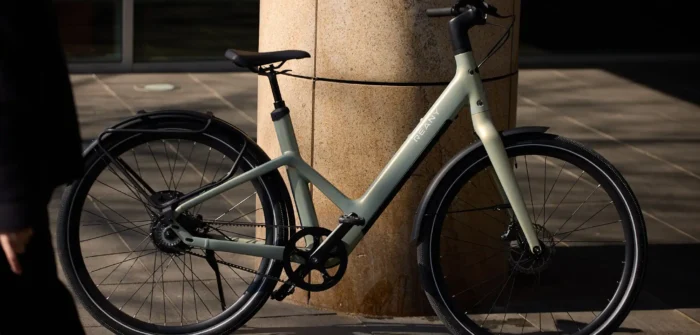
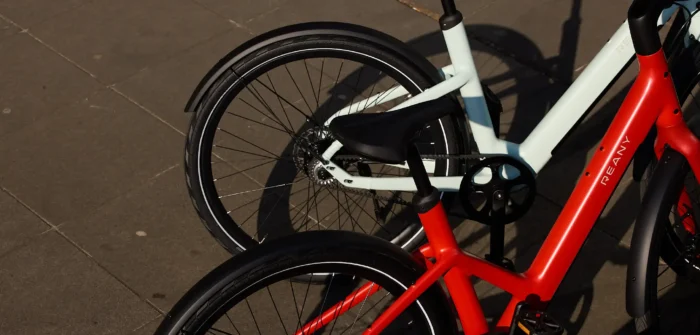
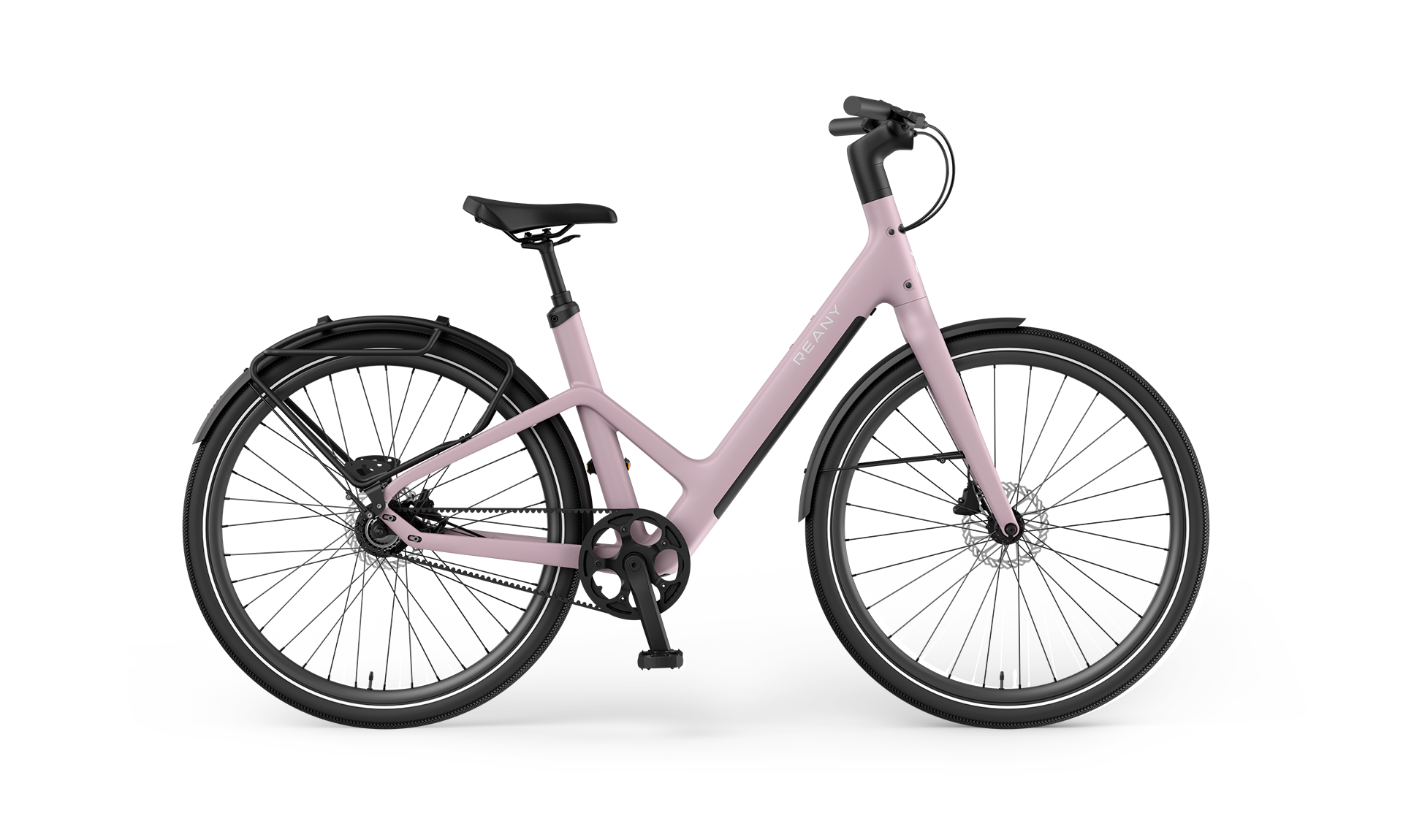
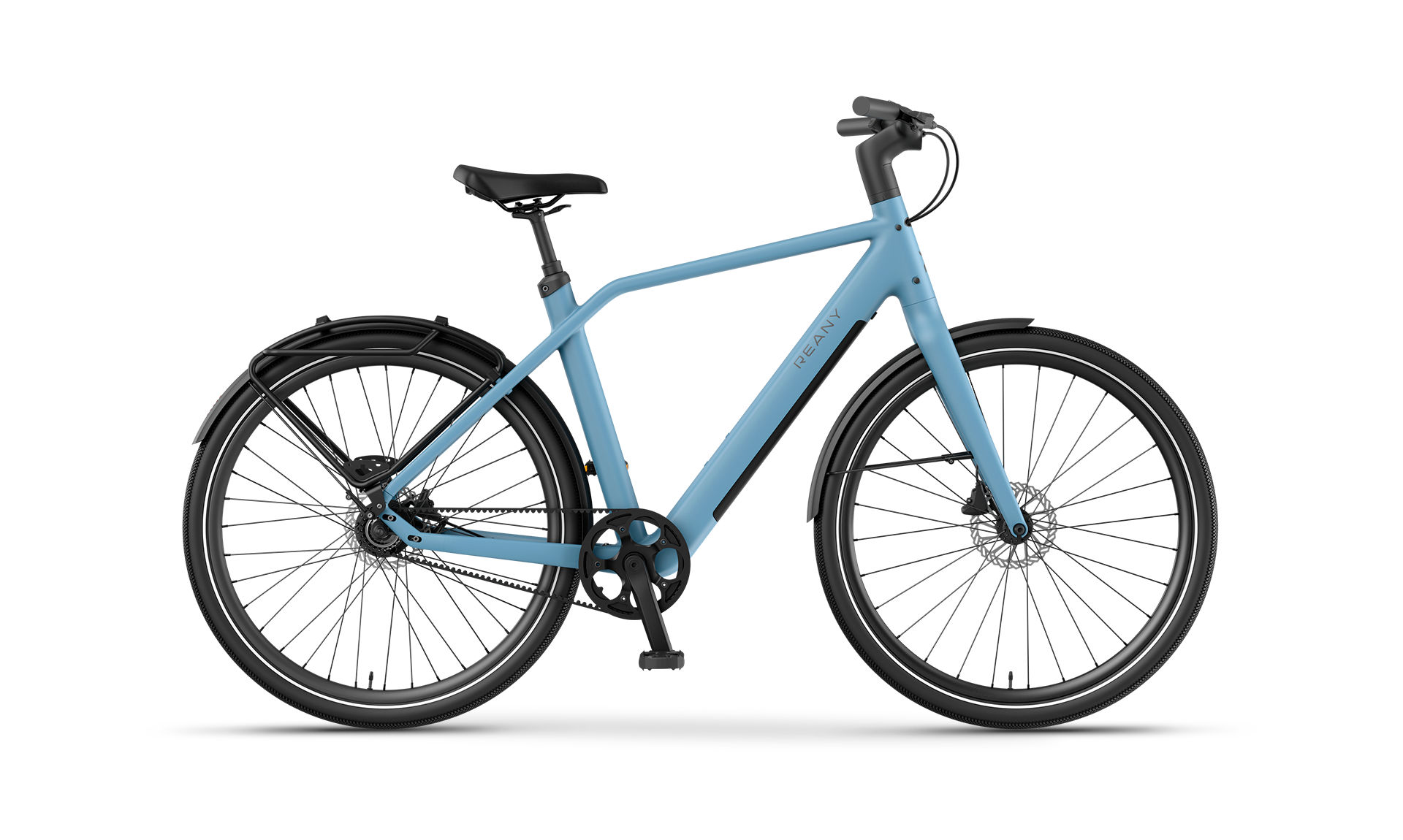
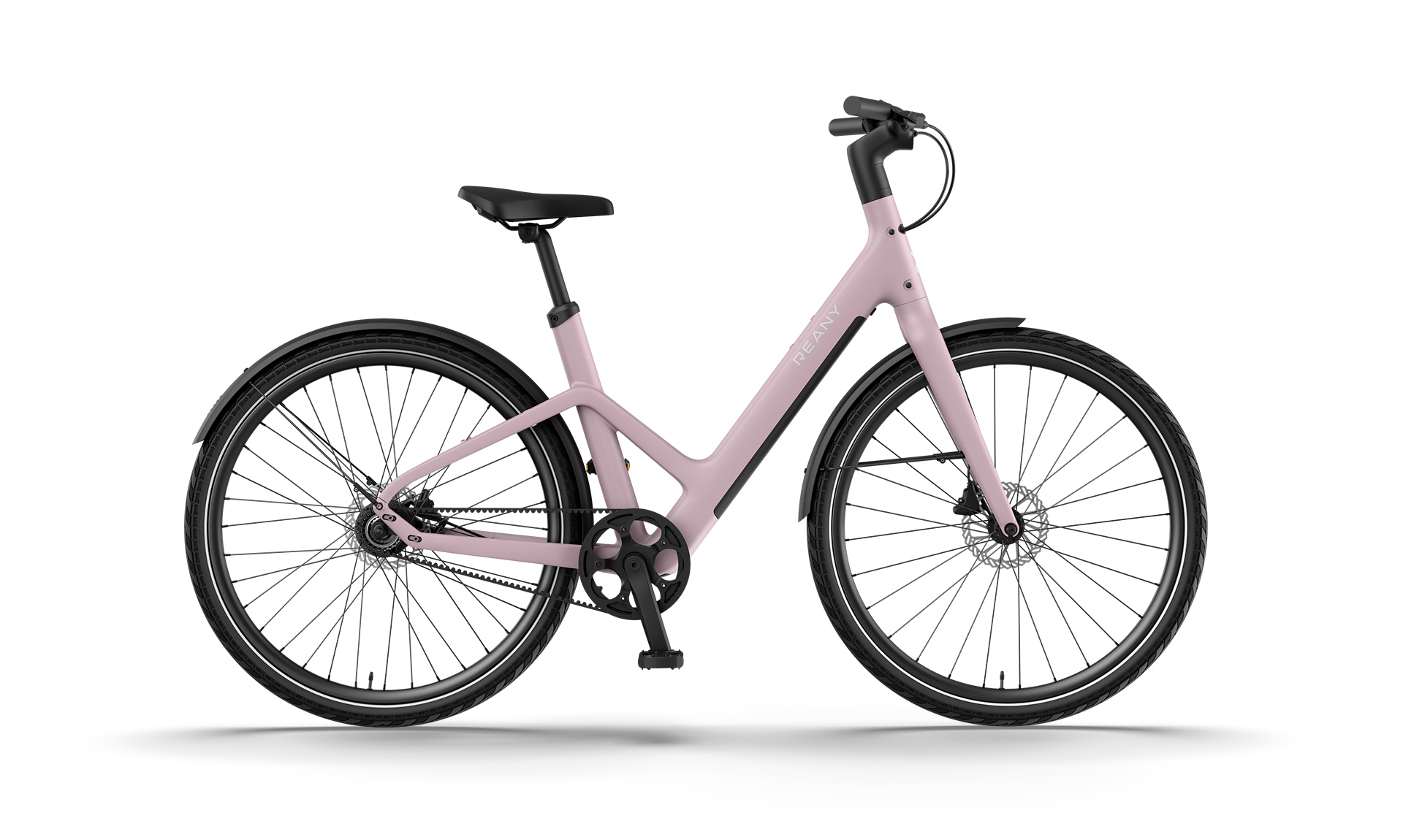
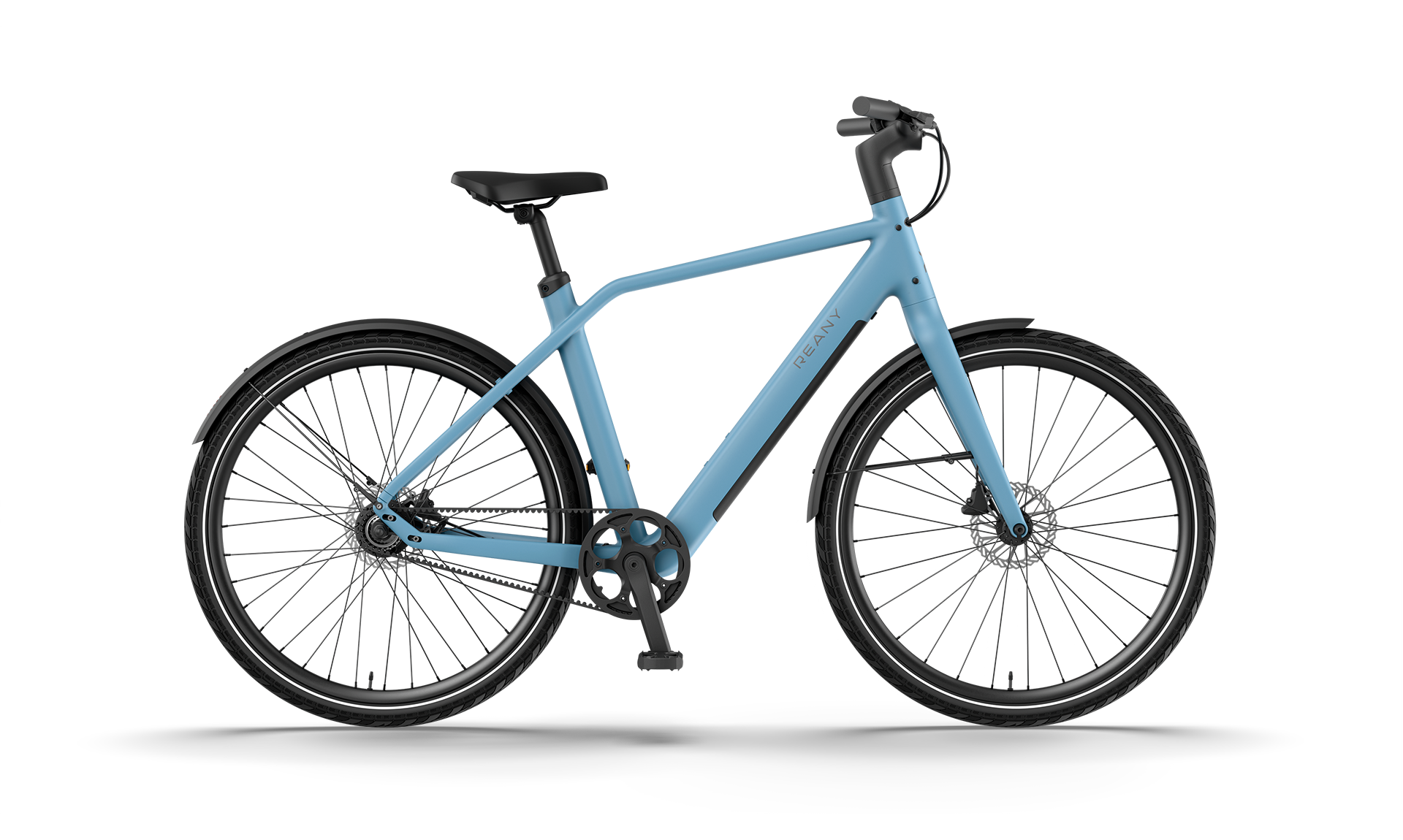
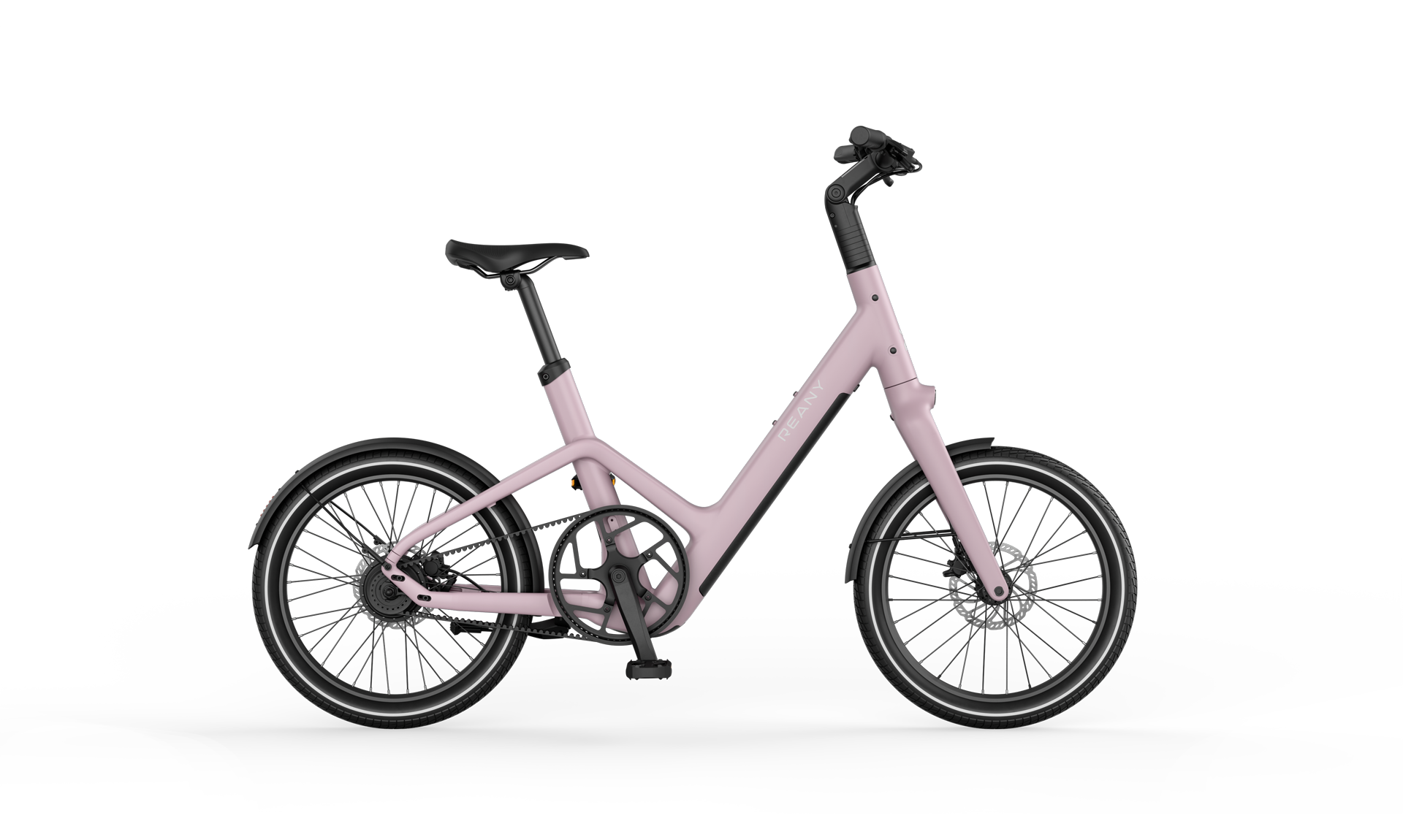
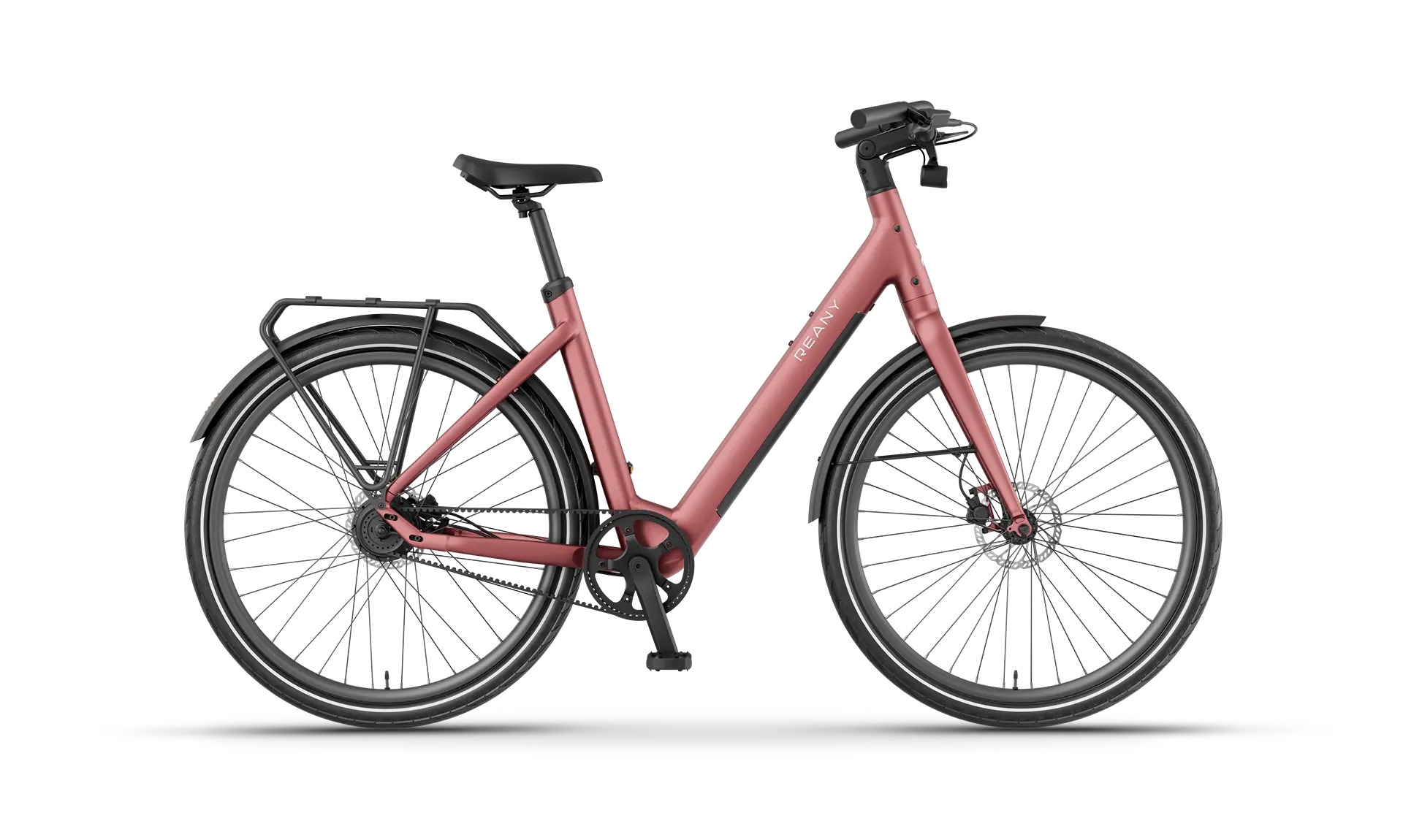
Reany currently uses belt drivetrains across its urban e-bike range, but the published specification is not identical for every model. The W1 and V1 are listed with a Gates Carbon Belt, while the C1 is listed more generally with a Carbon Belt.
The table below uses specifications published on the current Reany product pages:
| Model | Drivetrain | Motor | Range | Official geometry |
| Reany W1 | Gates Carbon Belt | Mivice M070 rear-hub motor, 250 W and 35 Nm | Up to 100 km | Active |
| Reany V1 | Gates Carbon Belt | Mivice M070 rear-hub motor, 250 W and 35 Nm | Up to 100 km | Comfort |
| Reany C1 | Carbon Belt | Reany custom rear-hub motor, 250 W and 38 Nm | Up to 80 km | Comfort |
The W1, V1 and C1 specifications are taken directly from their current official product pages.
Experience a belt-driven Reany e-bike
Specifications explain how a belt drivetrain works, but a test ride shows how the complete bicycle responds during starts, stops and normal urban riding.