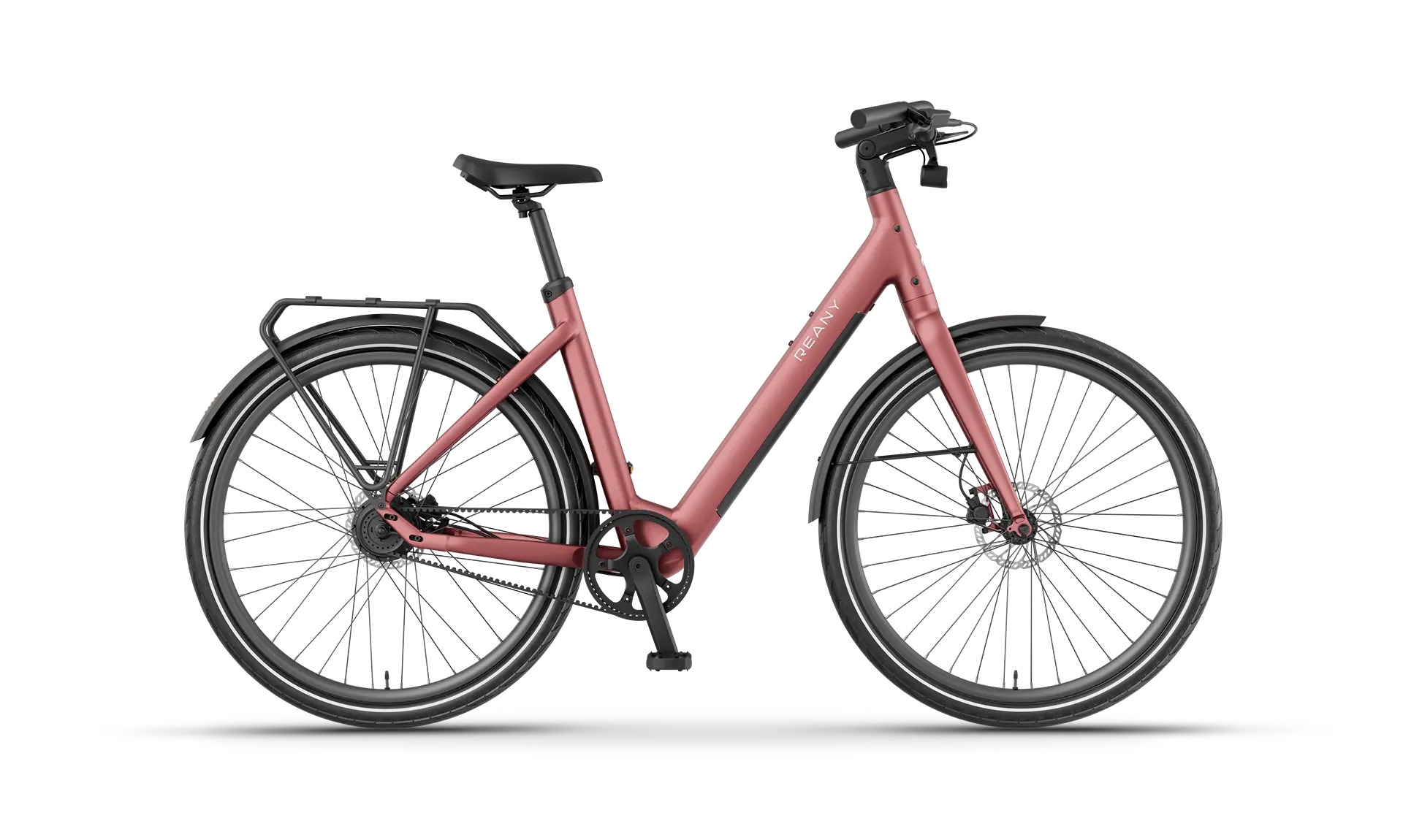
Suspension Seatpost for E-Bikes: Is It Worth It for City Riding?
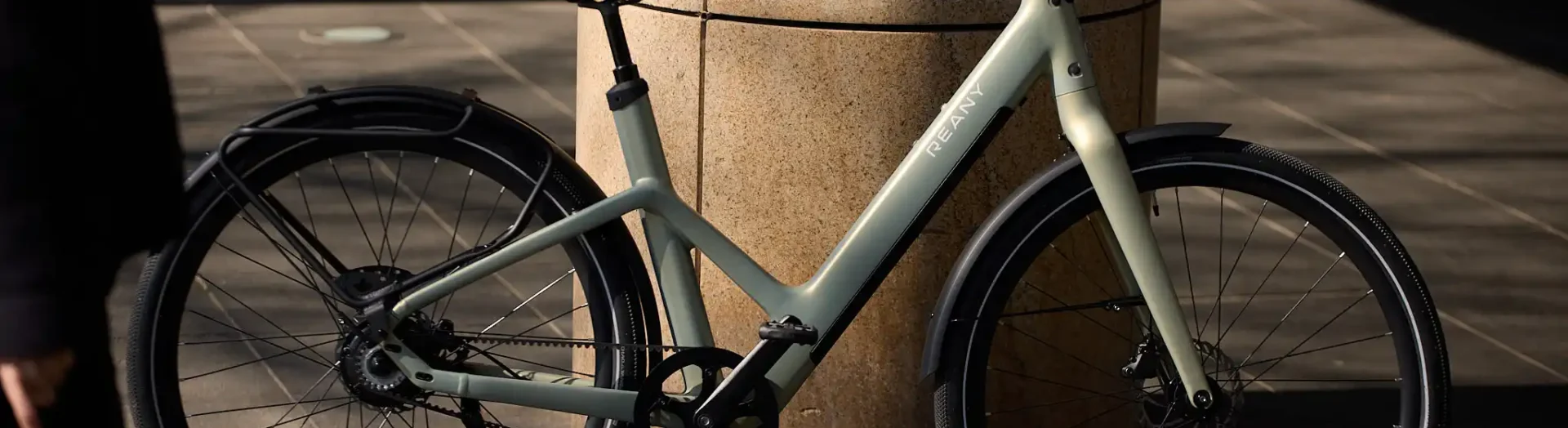
A smooth cycle lane rarely makes you think about your seatpost. Cobblestones, broken asphalt and repeated paving joints are different: every irregularity passes through the bicycle, and much of that movement is felt beneath the saddle.
A suspension seatpost introduces a small amount of movement between the frame and the rider. For city cyclists who regularly use uneven streets, it can be a practical comfort upgrade. For riders who stay on short, smooth routes, it is usually unnecessary.
This guide explains where a suspension seatpost earns its place, what compromises it introduces and what you need to check before installing one on an e-bike.
Quick Answer: Is a Suspension Seatpost Worth It?
Yes, when uneven surfaces are a normal part of your route.
A suspension seatpost is a sensible upgrade for riders who regularly cross cobblestones, damaged asphalt or repeated road joints and want a less rigid feeling beneath the saddle.
It is probably not worth prioritising when your journeys are short, the cycle lanes are consistently smooth or you are already comfortable with a rigid seatpost.
Before buying one, confirm:
- The correct seatpost diameter.
- The required minimum insertion.
- The extra height created by the mechanism.
- Compatibility with your bicycle and saddle.
- Any adjustment or usage limits published by the manufacturer.
What Does a Suspension Seatpost Actually Do?
A standard seatpost creates a rigid connection between the saddle and the bicycle frame. It supports the saddle and allows its height and angle to be adjusted, but it does not provide any suspension movement.
A suspension seatpost replaces that rigid connection with a component that can move within a defined amount of travel.
When the bicycle passes over an uneven section of road, the post allows movement beneath the saddle instead of keeping the rider completely fixed to the frame.
This changes what the rider feels at the saddle. It does not suspend the bicycle’s rear wheel, and it does not turn an urban e-bike into a full-suspension bicycle.
The terms suspension seatpost and suspension saddle post are both used, although the exact design and functions vary between products.
The Main Advantages and Trade-Offs
A suspension seatpost solves a specific problem: repeated road irregularities felt beneath the saddle. It also makes the seatpost more complex than a rigid component.
| What it adds | What you accept in return |
| Movement beneath the saddle on uneven streets | More mechanical complexity than a rigid post |
| A less direct feeling over repeated road irregularities | A possible increase in minimum saddle height |
| Another way to adjust the character of the ride | Additional compatibility checks |
| A targeted upgrade without replacing the complete bike | Product-specific adjustment and maintenance requirements |
| Greater relevance on mixed or damaged urban surfaces | Limited practical value on short, smooth routes |
The benefit is therefore closely connected to where you ride. A rider who encounters cobblestones every day has a stronger reason to choose one than somebody who rarely leaves a modern cycle lane.
When Does a Suspension Seatpost Make Sense?
A suspension seatpost is most useful when uneven surfaces are a regular part of the route. Its value depends on how often the rider encounters repeated road irregularities and whether the existing bike setup is already correct.
| Rider or route profile | Recommendation | Why |
| Regular cobblestones or damaged asphalt | Good match | Repeated irregularities make movement beneath the saddle more relevant |
| Mixed urban routes with kerbs, paving transitions and rough sections | Good match | The seatpost can add comfort across changing surfaces |
| Longer or frequently repeated city journeys | Worth considering | Small improvements in riding feel may matter more over repeated use |
| Short rides on smooth cycle lanes | Low priority | A rigid seatpost is simpler and may already be sufficient |
| Rider already satisfied with a rigid setup | Usually unnecessary | There may be little practical benefit from adding complexity |
| Saddle height or bike fit is incorrect | Fix the setup first | A suspension seatpost cannot compensate for an unsuitable riding position |
| Correct saddle height cannot be maintained with the mechanism | Not suitable | Compatibility and riding position take priority |
The key question is whether the route and the existing bike setup make the additional movement worthwhile.
Suspension Seatpost vs Dropper Post and Rear Suspension
These components can look related, but they are designed for different purposes.
| Component | Main purpose | What moves? | Typical role |
| Standard seatpost | Supports and positions the saddle | Nothing | Simple everyday setup |
| Suspension seatpost | Adds movement beneath the saddle | Saddle and moving section of the post | Comfort on uneven surfaces |
| Dropper post | Changes saddle height on demand | Saddle moves vertically | Changing riding position |
| Rear suspension | Allows movement within the rear of the bicycle | Rear wheel and frame system | Control over rough terrain |
A conventional dropper post is designed primarily to raise or lower the saddle while riding. A suspension seatpost is designed primarily to provide movement beneath the rider.
Some products may combine both functions, but that should only be assumed when the manufacturer documents them clearly.
Rear suspension works differently again. It allows the rear wheel and part of the frame to move in response to the terrain. A suspension seatpost affects the rider’s connection to the saddle but does not suspend the rear wheel.
Before You Upgrade: Check Your Current Bike Setup
A seatpost cannot be judged separately from the rest of the bicycle.
Saddle position
The correct saddle height and angle are essential. A suspension seatpost cannot fix a saddle that is positioned incorrectly.
Tyres
Tyre width, construction and pressure influence how the bicycle reacts to the road. Pressure should remain within the limits indicated by the tyre manufacturer and suit the rider, bicycle and intended use.
Riding position
Frame geometry, handlebar reach and saddle position determine how the rider’s weight is distributed across the bicycle.
Route conditions
The same component can feel unnecessary on smooth asphalt and much more relevant on a route with repeated cobblestones or patched roads.
A suspension seatpost works best as part of an already suitable bicycle setup.
Five Checks Before Buying
Choosing a suspension seatpost is not simply a matter of comparing travel figures or specification lists. The right option needs to fit the bicycle correctly and allow you to maintain the required riding position.
1. Does the diameter match?
The seatpost diameter must correspond to the bicycle’s seat tube.
Measurements that look almost identical are not automatically interchangeable. Check the bicycle specification, the marking on the existing seatpost or ask a qualified mechanic to measure it.
2. Can you still reach the correct saddle height?
The suspension mechanism can increase the lowest possible saddle position.
This is especially important for shorter riders or anyone already using a relatively low saddle.
3. Can the minimum insertion be respected?
Part of the seatpost must remain inside the bicycle frame.
If the desired saddle height prevents the minimum insertion requirement from being met, the seatpost is not suitable for that setup.
4. Is the amount of travel appropriate?
Suspension travel describes the available movement.
More travel is not automatically better. Correct fit, controlled movement and compatibility matter more than selecting the largest possible figure.
5. Are the instructions and limits clear?
Before installation, check whether the manufacturer provides information about:
- Compatible bicycles.
- Saddle clamp compatibility.
- Adjustment options.
- Intended use.
- Rider or load limits.
- Installation.
- Maintenance.
Instructions from a different seatpost should not be applied automatically.
The Reany Suspension Seatpost in Practical Terms
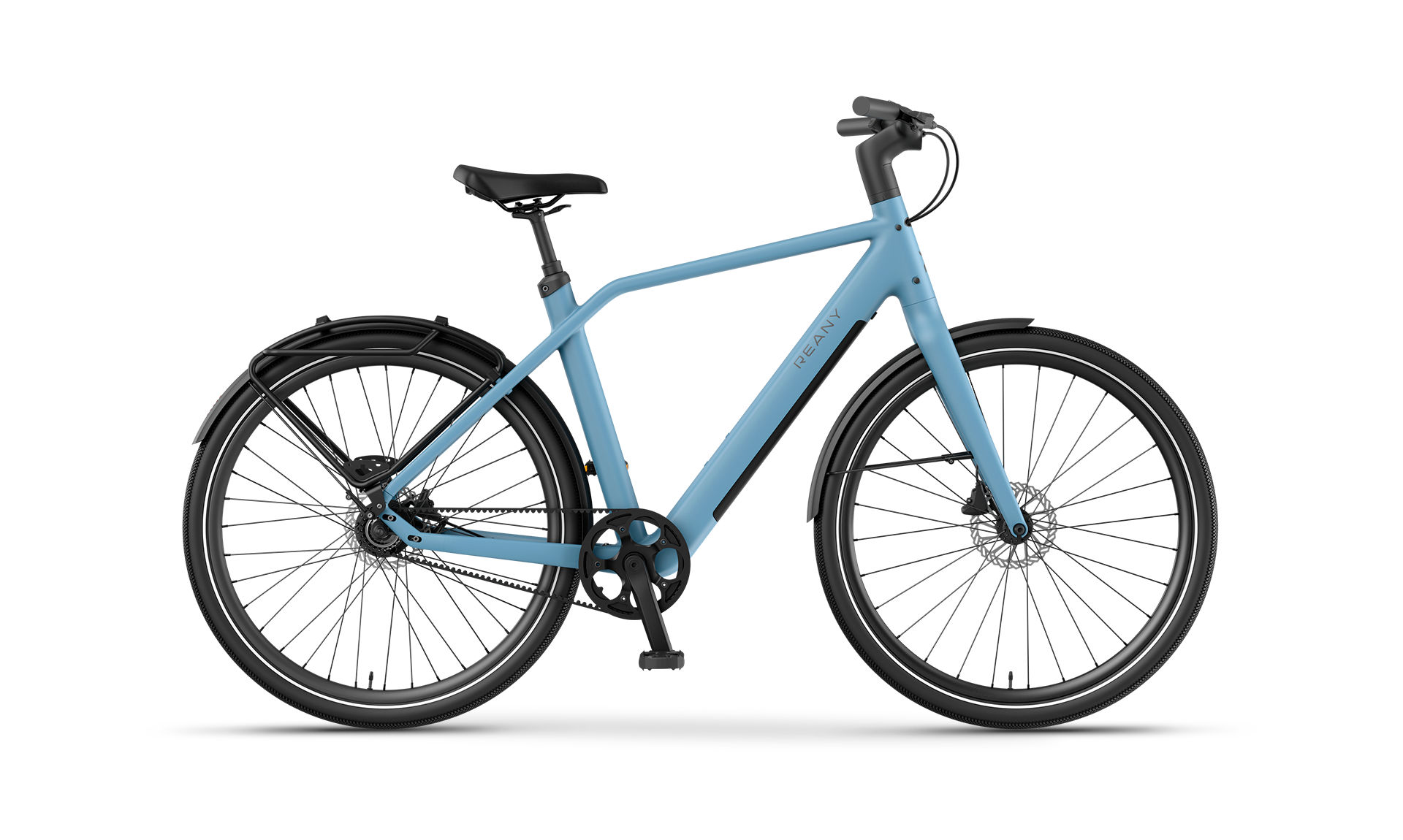
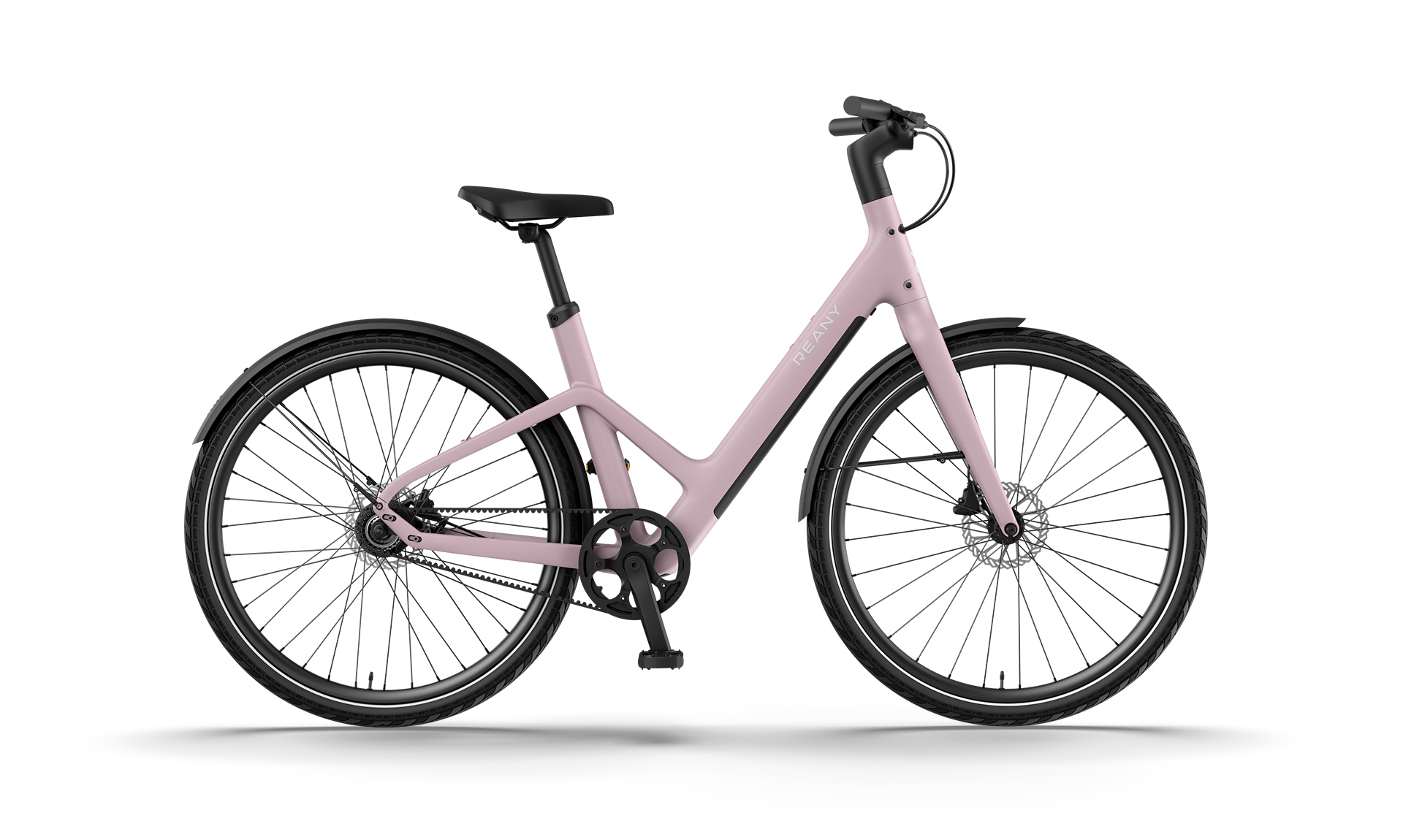
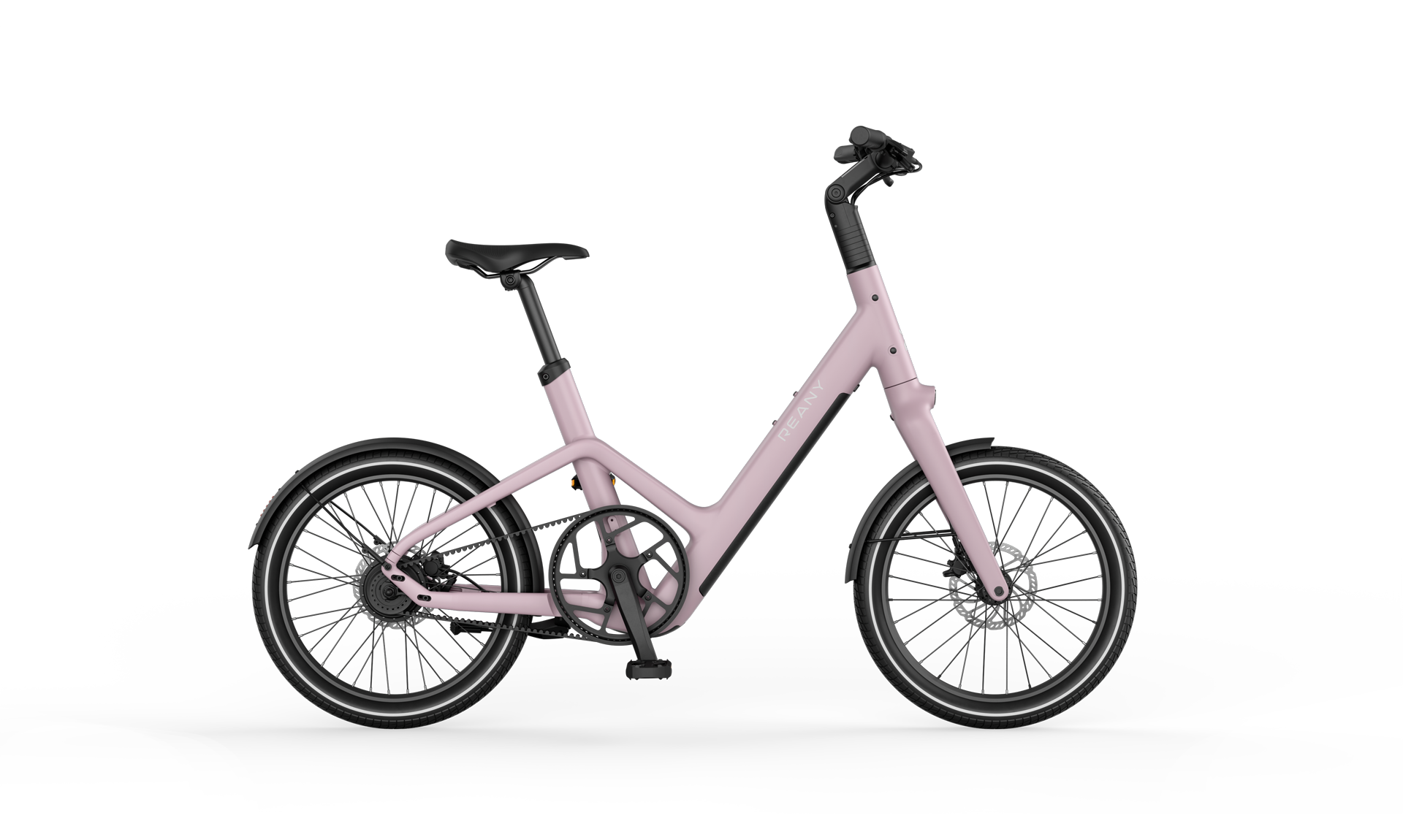
Reany offers a suspension seatpost designed for its e-bike range. The official product page states that it fits all Reany models.
| Published specification | Why it matters |
| Compatibility with all Reany models | It can be considered across the current Reany range |
| 30.9 mm diameter | Confirms the required Reany frame diameter |
| 450 mm total length | Affects the available saddle-height range |
| 120 mm minimum insertion | This section must remain inside the frame |
| 20 mm suspension travel | Defines the available movement |
| Maximum 100 mm additional height | Must be considered when setting saddle position |
| Black finish | Published product colour |
| Available separately | Riders can add it to another compatible Reany model |
The 20 mm travel figure confirms how much movement the product provides. It does not indicate a measured percentage reduction in vibration, impact or rider fatigue, because Reany does not publish those performance figures.
You can check the complete dimensions on the official Reany suspension seatpost page or explore the wider Reany accessories range. For more ideas, see Top E-Bike Accessories to Enhance Your Ride with Reany.
Which Reany E-Bikes Include It?
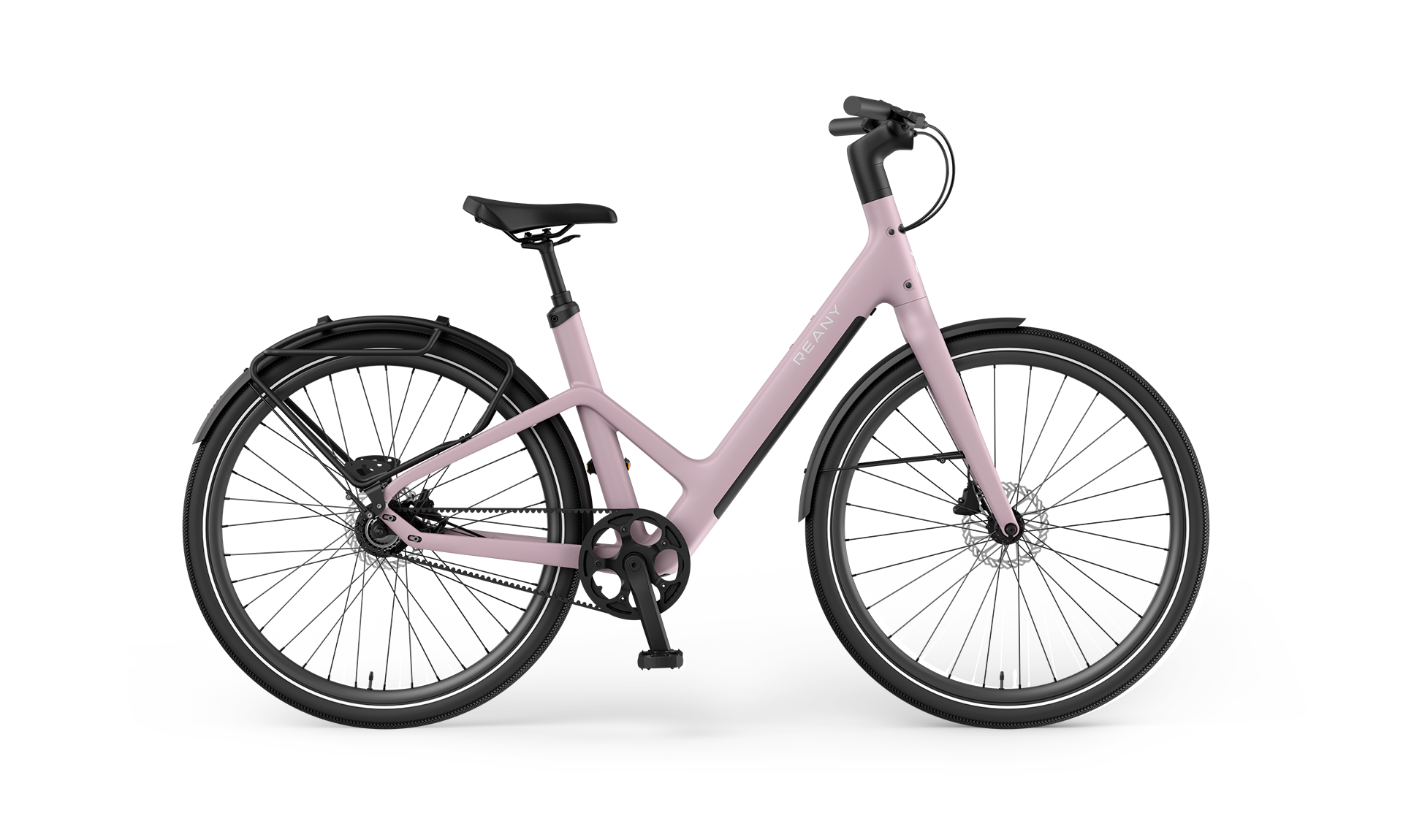
The seatpost is already included with the current Reany GT models.
Reany W1 GT
The Reany W1 GT includes an adjustable Reany suspension seatpost with a published diameter of 30.9 mm.
This means riders choosing the W1 GT do not need to purchase the component separately.
Reany N1 GT
The Reany N1 GT also includes an adjustable Reany suspension seatpost with the same published diameter.
For other Reany models, the separate product is listed as compatible with the complete range. The final saddle height must still be set within the published dimensions.
Questions to Ask During a Test Ride
Specifications tell you whether the component fits. A test ride tells you whether you prefer the riding feel.
When testing a suspension seatpost, ask yourself:
- Does the saddle position still feel correct?
- Is the movement noticeable on the surfaces you normally use?
- Does the bike feel more controlled or simply different?
- Do you prefer the additional movement to the direct feel of a rigid post?
- Does the setup remain comfortable on smooth sections?
- Can you place your feet and pedal normally at the chosen saddle height?
Use a route that resembles your real journeys. A short test on perfectly smooth ground will not show how the seatpost behaves over cobblestones or damaged asphalt.
Reany riders can book a test ride through the brand’s partner network.
Frequently Asked Questions
Will a suspension seatpost raise the saddle?
It can.
The mechanism may increase the minimum possible distance between the frame and the saddle. Always check the total length, minimum insertion and any additional height stated by the manufacturer.
Can I use my current saddle?
That depends on the saddle rails and the clamp used by the new seatpost.
Do not assume compatibility based only on the seatpost diameter.
Does a suspension seatpost require maintenance?
Maintenance depends on the individual product and its mechanism.
Follow the manufacturer’s instructions rather than applying a universal schedule.
Does more travel mean better comfort?
Not automatically.
More travel also affects movement, saddle position and the character of the ride. Correct dimensions and a suitable setup are more important than choosing the highest travel figure.
Can a suspension seatpost help with back or joint pain?
It should not be treated as a medical solution.
Persistent discomfort may be connected to bike fit, saddle position, riding posture or other factors that need to be assessed separately.
Does the Reany suspension seatpost fit every Reany model?
The official product page states that it is compatible with all Reany models.
Conclusion: Who Is It Really For?
A suspension seatpost is a worthwhile urban upgrade when rough streets are part of normal riding, not just an occasional inconvenience.
It is best suited to riders who regularly encounter cobblestones, broken asphalt or repeated paving transitions and want a less rigid connection between the frame and the saddle.
It is not a priority for short journeys on consistently smooth cycle lanes. In that situation, a rigid seatpost remains simpler and may already provide everything the rider needs.
The decision comes down to two questions:
- Does your normal route contain enough uneven surface to justify movement beneath the saddle?
- Can the seatpost be installed without compromising diameter, insertion depth or saddle height?
For Reany riders, the suspension seatpost is already included with the W1 GT and N1 GT. It is also offered separately and listed as compatible with all Reany models.
Specifications determine whether it fits. A realistic test ride determines whether you prefer how it feels.