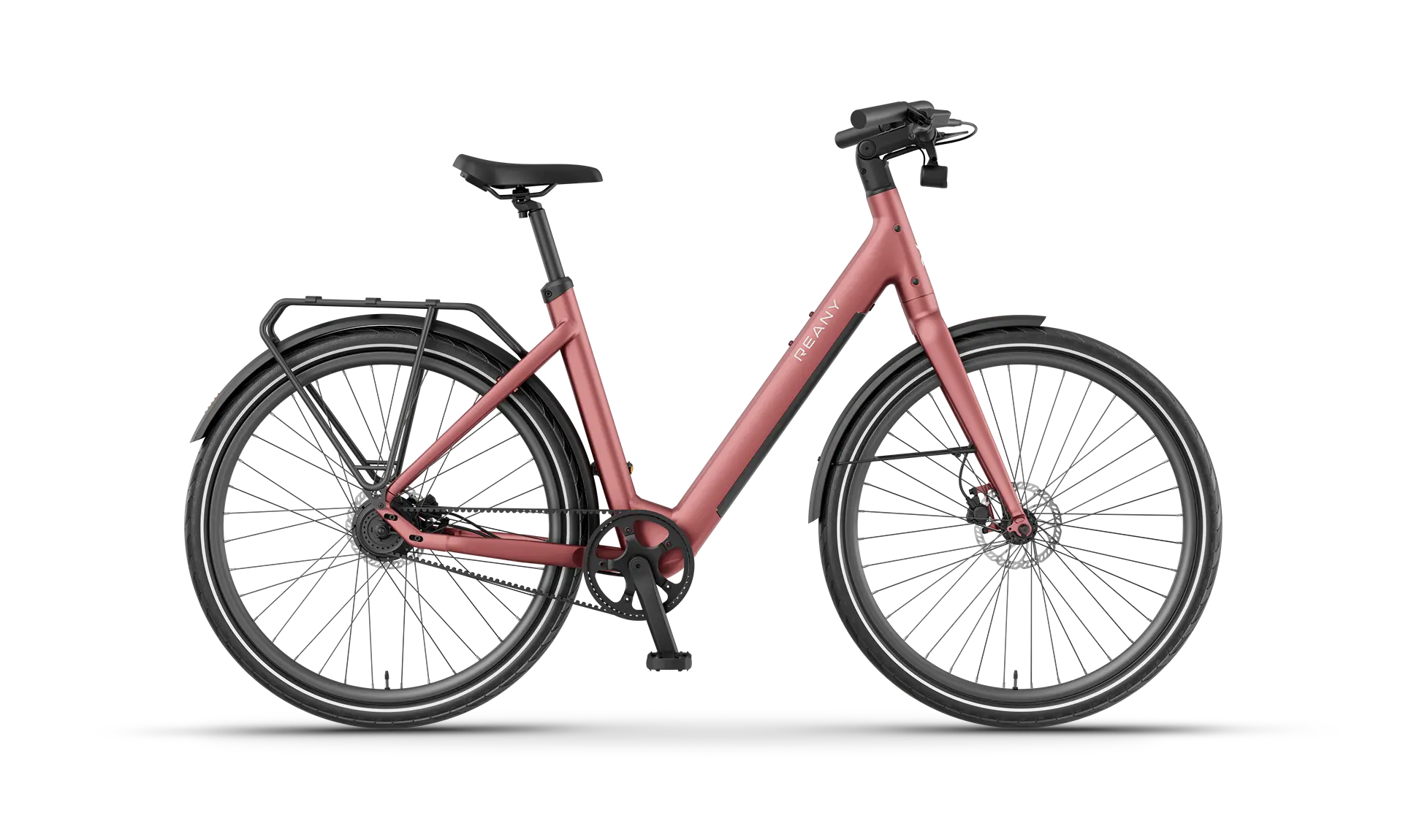
Electric Bike Weight Limit: What Should You Check Before Buying?

For loading guidance, use 120 kg as the maximum total weight of a Reany electric bike, including the bicycle, rider, luggage and fitted accessories. Reany’s range page displays 120 kg in its “For riders” field, so the total-weight interpretation should be confirmed directly with Reany before treating it as a definitive manufacturer specification.
For carrying shopping or commuting luggage, Reany also publishes separate rear-rack ratings of 15, 25 or 27 kg, depending on the accessory. These ratings should be checked for the exact bike and rack.
Below, compare Reany’s published bike weights, the estimated remaining load within a 120 kg total and compatible rear-rack ratings.
What Does an Electric Bike Weight Limit Include?
The weight limit for electric bikes can refer to four different measurements:
Maximum rider weight: the weight of the person alone. Do not interpret Reany’s 120 kg figure as a 120 kg rider allowance when applying the total-weight limit used in this guide.
Payload capacity: the amount of weight carried by the bicycle, potentially including the rider and luggage depending on the manufacturer’s definition. It is different from the bike’s own weight.
Maximum permissible total weight: the limit for the complete loaded setup: bicycle + rider + luggage + fitted accessories. This guide uses 120 kg as Reany’s total-weight limit, subject to direct manufacturer confirmation because the wording on Reany’s range page is ambiguous.
Accessory load rating: the maximum load rated for a particular rack or basket. It is a separate component specification.
Why does load matter in practice? Carrying luggage can change how a bike feels when steering or stopping. Reany’s Daily Series user manual recommends checking brake wear, spoke tension and tyre pressure, and notes that higher speeds increase braking distances. It does not give a braking-distance calculation for an added luggage load. Follow the bicycle’s approved loading instructions.
What Is the Weight Limit for Reany Electric Bikes?
For the Reany models below, this guide treats 120 kg as the combined limit for bicycle, rider, luggage and fitted accessories. Reany’s range page places that figure under “For riders”, rather than explicitly calling it a total-weight limit, so verify the interpretation with Reany.
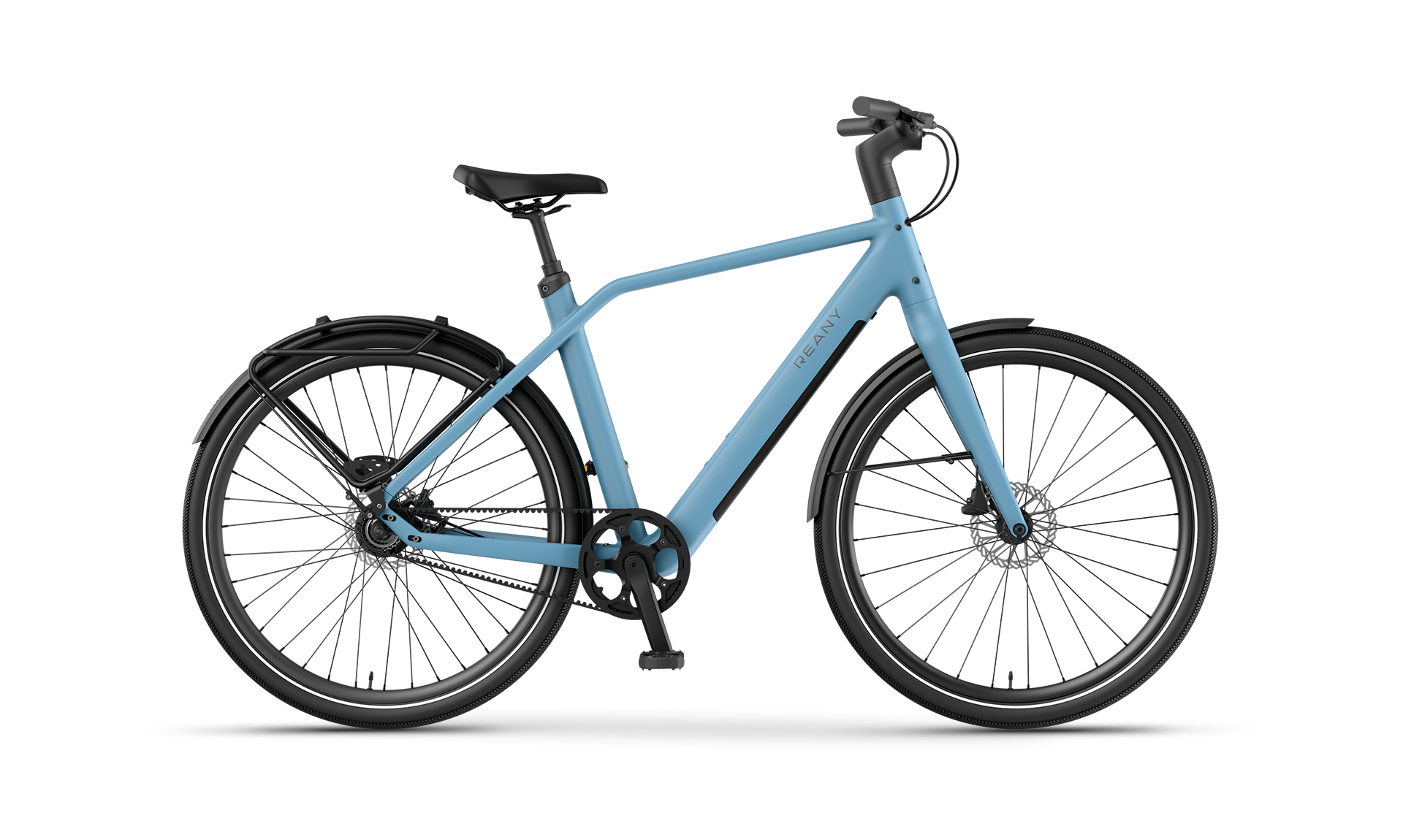
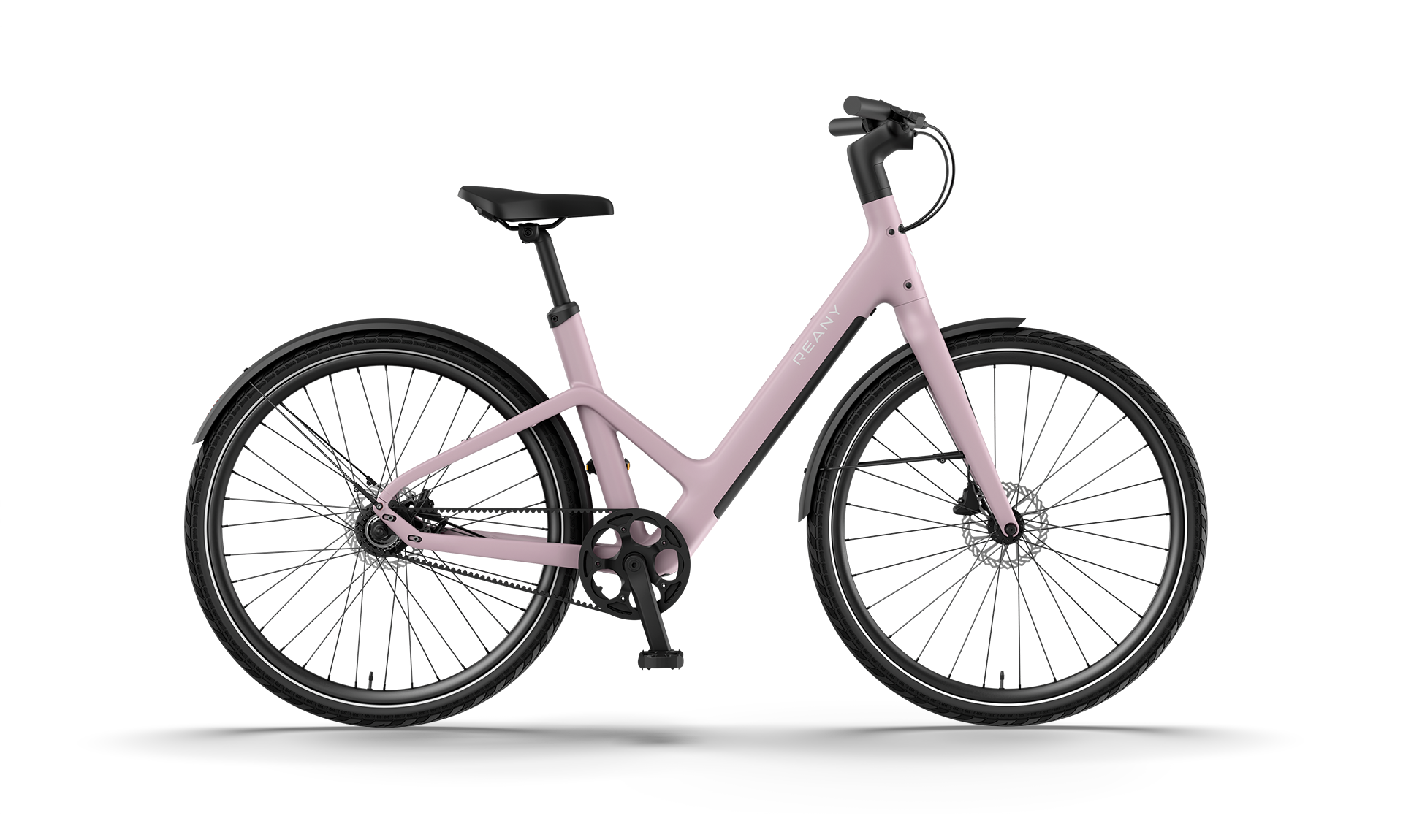
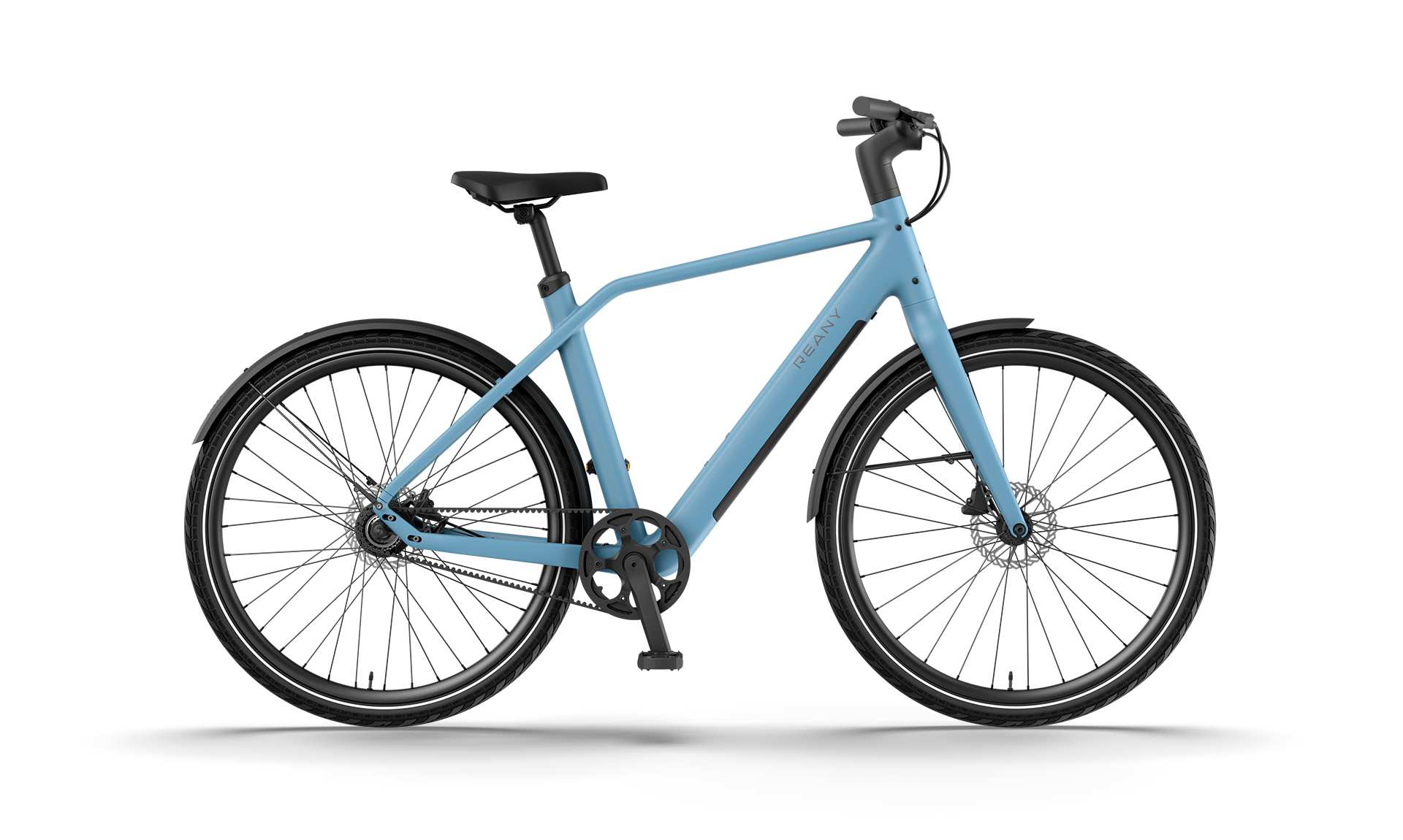
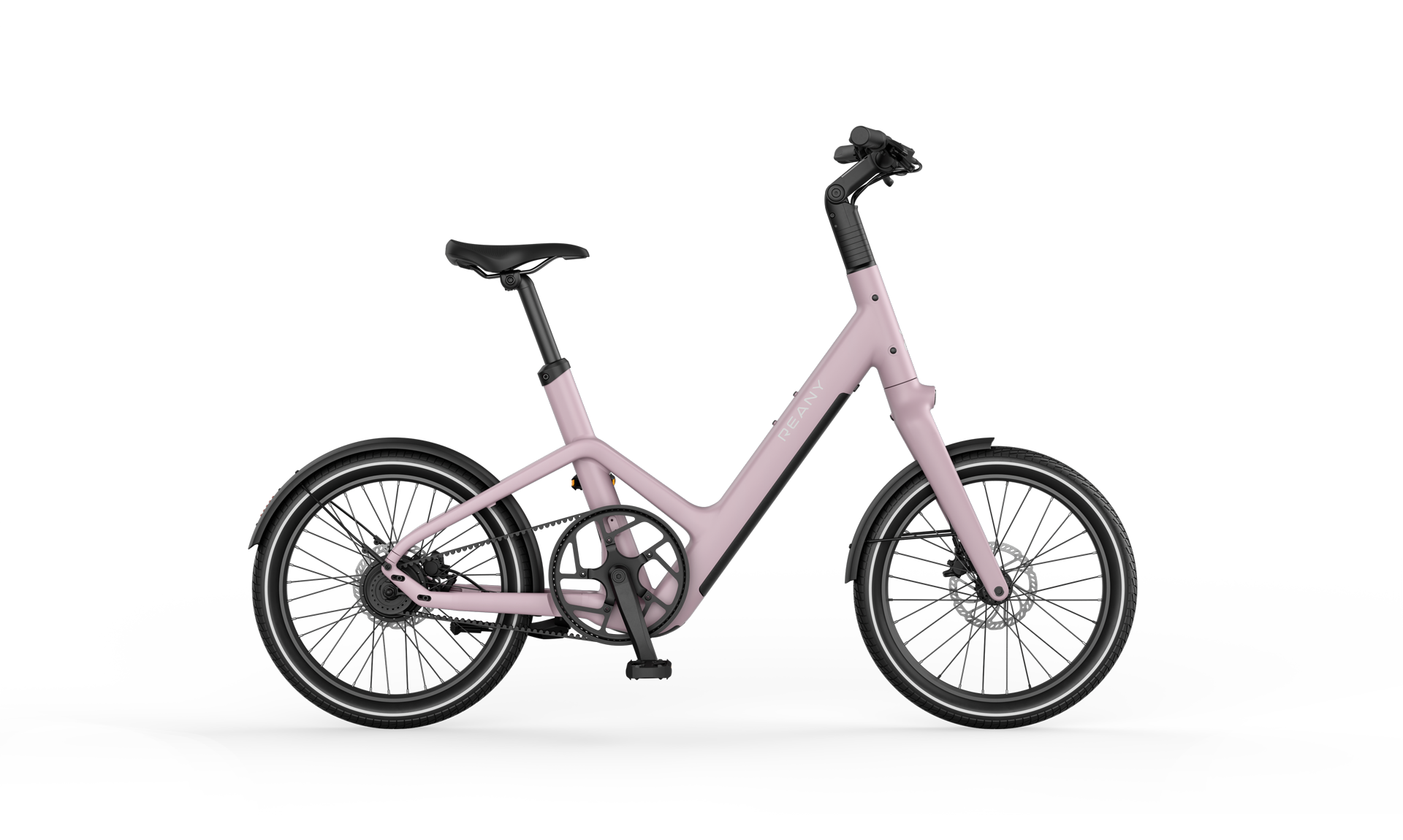
Compare each bike’s own weight and the estimated capacity remaining within 120 kg for rider, luggage and accessories. A compatible rack is not necessarily included as standard; the V1 Vivo+ includes a rear rack:
| Model | Assumed total limit | Bike weight | Rear rack information |
| Reany V1 | 120 kg | 17.4 kg | Base W 15 kg; LoadUp HD W 27 kg |
| Reany W1 | 120 kg | 17.7 kg | Base W 15 kg; LoadUp HD W 27 kg |
| Reany N1 | 120 kg | 17.9 kg | LoadUp HD N 27 kg |
| Reany W1 Pro | 120 kg | 14.3 kg | Base W 15 kg; LoadUp HD W 27 kg |
| Reany N1 Pro | 120 kg | 14.4 kg | LoadUp HD N 27 kg |
| Reany W1 GT | 120 kg | 19.5 kg | LoadUp HD W 27 kg |
| Reany N1 GT | 120 kg | 19.7 kg | LoadUp HD N 27 kg |
| Reany C1 | 120 kg | 17.8 kg | Basic Rear Rack for C1 25 kg |
| Reany V1 Vivo+ | 120 kg | 21 kg | Rear rack included; rated capacity not stated |
Source: official Reany electric bike and accessory product pages, checked 26 November 2026. Published bicycle weights exclude pedals, racks, mudguards and accessories.
Does a Lighter Electric Bike Have a Lower Weight Limit?
Not necessarily. The bike’s own weight affects how much capacity remains for the rider, luggage and fitted accessories within a maximum total-weight limit.
The Reany W1 is listed at 17.7 kg and the carbon-fibre W1 Pro at 14.3 kg. With a 120 kg combined limit, this leaves approximately 102.3 kg on the W1 and 105.7 kg on the W1 Pro for the rider, luggage and fitted accessories.
Likewise, the 14.4 kg N1 Pro leaves approximately 105.6 kg, while the 17.9 kg N1 leaves approximately 102.1 kg, before allowing for luggage or added accessories.
If you lift your bike into storage, compare bike weights. If you carry bags, subtract the bicycle and added accessories from the 120 kg combined limit, and respect the rack’s own rating too.
How Much Weight Can Reany Luggage Racks Carry?
For commuting and shopping, choose a rear rack based on your bike model and the load you actually need to carry.
These accessories have separately published load ratings and model compatibility. Check the exact installation for your bike before ordering:
| Accessory | Published maximum load | Listed compatibility |
| Rear Rack Base W | 15 kg | Reany W1, W1 Pro and V1 |
| Basic Rear Rack for C1 | 25 kg | Reany C1 |
| LoadUp HD Rear Rack W | 27 kg | Reany W1 Pro, W1, V1 and W1 GT |
| LoadUp HD Rear Rack N | 27 kg | Reany N1 Pro, N1 and N1 GT |
Reany’s English Rear Rack Base W page lists 15 kg and recommends a lower load for safety without specifying a reduced figure. For N-family bikes, check the exact compatible rack configuration with Reany. The V1 Vivo+ includes a rear rack, but its official bike page does not state a rated carrying capacity; obtain confirmation before treating an optional rack’s rating as the capacity of the included rack.
How Do You Work Out the Weight of Your Luggage?
Weigh the complete packed bag, including its contents. Add bicycle, rider, bags and fitted accessories: under the interpretation used here, their combined weight must not exceed 120 kg. Also respect the separately stated load limit of the compatible rack.
Example: a 95 kg rider on a Reany W1 Pro (published weight 14.3 kg) with 20 kg of shopping would reach 129.3 kg before accounting for the rack or other accessories. That exceeds the 120 kg combined limit used in this guide, even though 20 kg is below a compatible LoadUp HD rack’s 27 kg rating. The rack rating never overrides the bike’s overall limit.
Does Carrying More Weight Affect an Electric Bike’s Range?
Yes. The Reany Daily Series user manual specifically lists weight on the e-bike as a factor affecting maximum range. It also cites trip patterns, pedalling and temperature.
Reany advertises up to 100 km for its Daily V1/W1/N1, Pro and GT models and up to 80 km for the C1 and V1 Vivo+. These are stated maxima, not measured distances under a specified luggage load.
Reany’s manual gives no fixed kilometres-per-kilogram calculation. For a loaded daily route, plan with the published “up to” range as a maximum rather than a promised distance.
For details, see the Reany Daily Series user manual, section 4.5, “Battery range”.
What Should You Check Before Buying an Electric Bike?
Before making a decision, check these five points:
- Total weight: use 120 kg for the combined bicycle, rider, luggage and accessories; ask Reany to confirm the exact interpretation for the selected model.
- Fully loaded setup: add the bicycle, rider, luggage and fitted accessories. Keep this sum within 120 kg under the total-weight assumption used here, subject to confirmation from Reany.
- Luggage: confirm rack compatibility and stay within the accessory’s published rating; that rating alone does not confirm the bicycle’s overall loading allowance.
- Bicycle weight: consider the bike’s own weight if you regularly lift or carry it into storage.
- Rider height and fit: check the recommended height range and arrange a test ride before deciding.
For model-specific loading questions, give Reany Support the bike model, rider weight, backpack, luggage and rack details and ask them to confirm the 120 kg combined-limit interpretation in writing.
Frequently Asked Questions About Electric Bike Weight Limits
Does Reany’s 120 kg figure include the bicycle’s weight?
This guide treats 120 kg as the combined maximum for the bicycle, rider, luggage and accessories, not as a rider-only allowance. Because Reany’s own range page labels the number “For riders”, obtain direct confirmation before relying on this as a certified limit.
Can a 100 kg rider use a Reany e-bike?
Possibly, depending on the model and luggage. For example, on the 14.3 kg W1 Pro, a 100 kg rider leaves approximately 5.7 kg within the assumed 120 kg combined limit before any rack, bags or other accessories. Check the whole setup and confirm the limit with Reany.
Does a backpack count towards Reany’s 120 kg figure?
Yes. Under the combined 120 kg limit used in this guide, a worn backpack counts as part of the total alongside the bicycle, rider, carried luggage and added accessories.
How much weight can a Reany rear rack carry?
Official Reany accessory listings give 15 kg for Rear Rack Base W, 25 kg for Basic Rear Rack for C1 and 27 kg for LoadUp HD W/N. Use the compatibility table above; the included V1 Vivo+ rack has no separately confirmed capacity in its bike listing.
What if I weigh more than the published 120 kg figure?
The 120 kg figure is treated here as the total loaded weight, not a 120 kg allowance for the rider alone. If your bicycle, body weight, luggage and accessories add up to more than 120 kg, do not assume that a stronger rack increases the bike’s overall limit.
Find the Right Reany Electric Bike for Your Needs
Compare the weight of your preferred Reany bike, estimate what remains of the assumed 120 kg combined limit and check which rack arrangement is compatible with the luggage you plan to carry.
For a specific loading question, ask Reany Support to confirm the assumed 120 kg maximum total weight for your chosen model.
Explore the Reany electric bike range to compare models and their official specifications.
Once you have shortlisted your options, book a Reany test ride to assess fit and riding position.