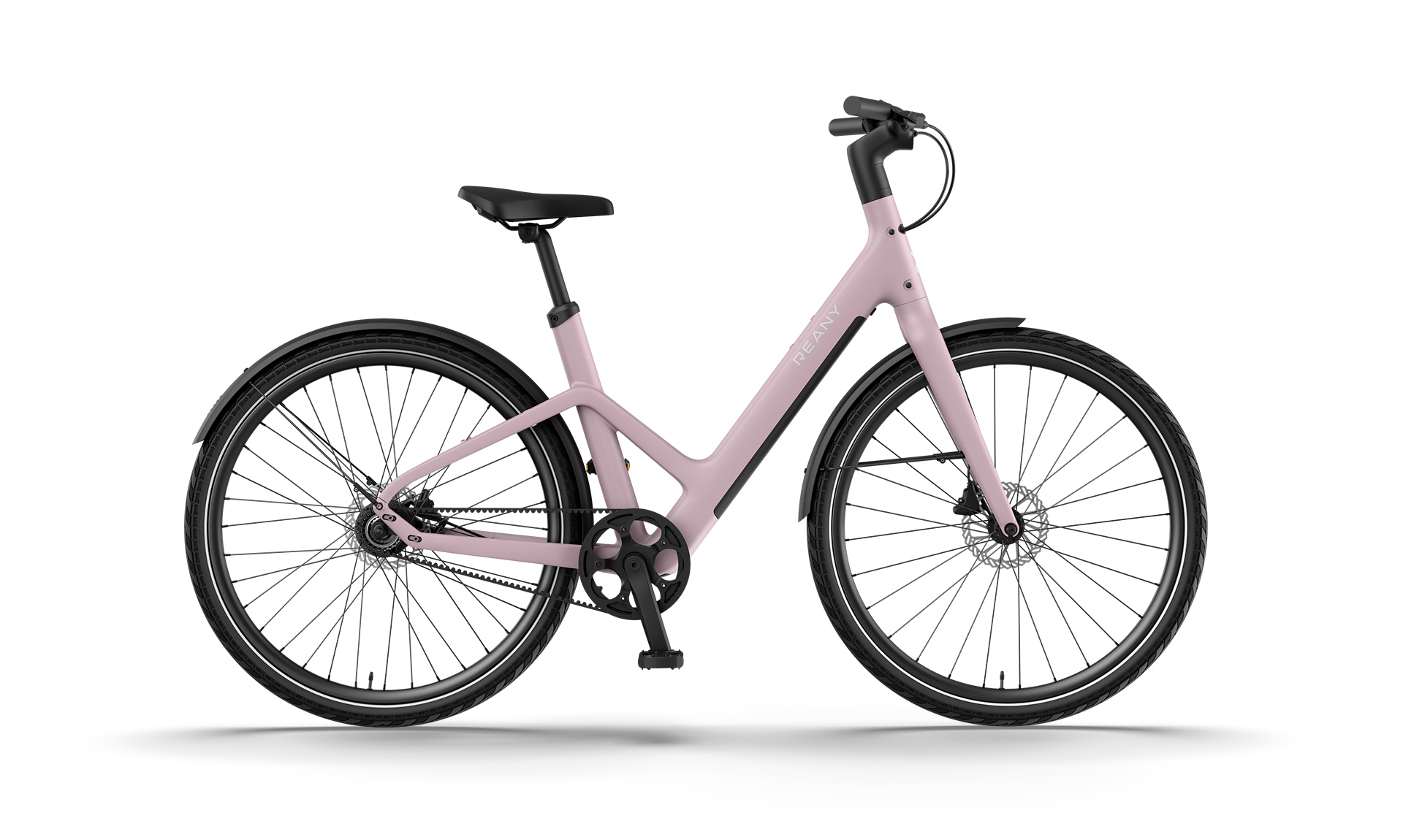
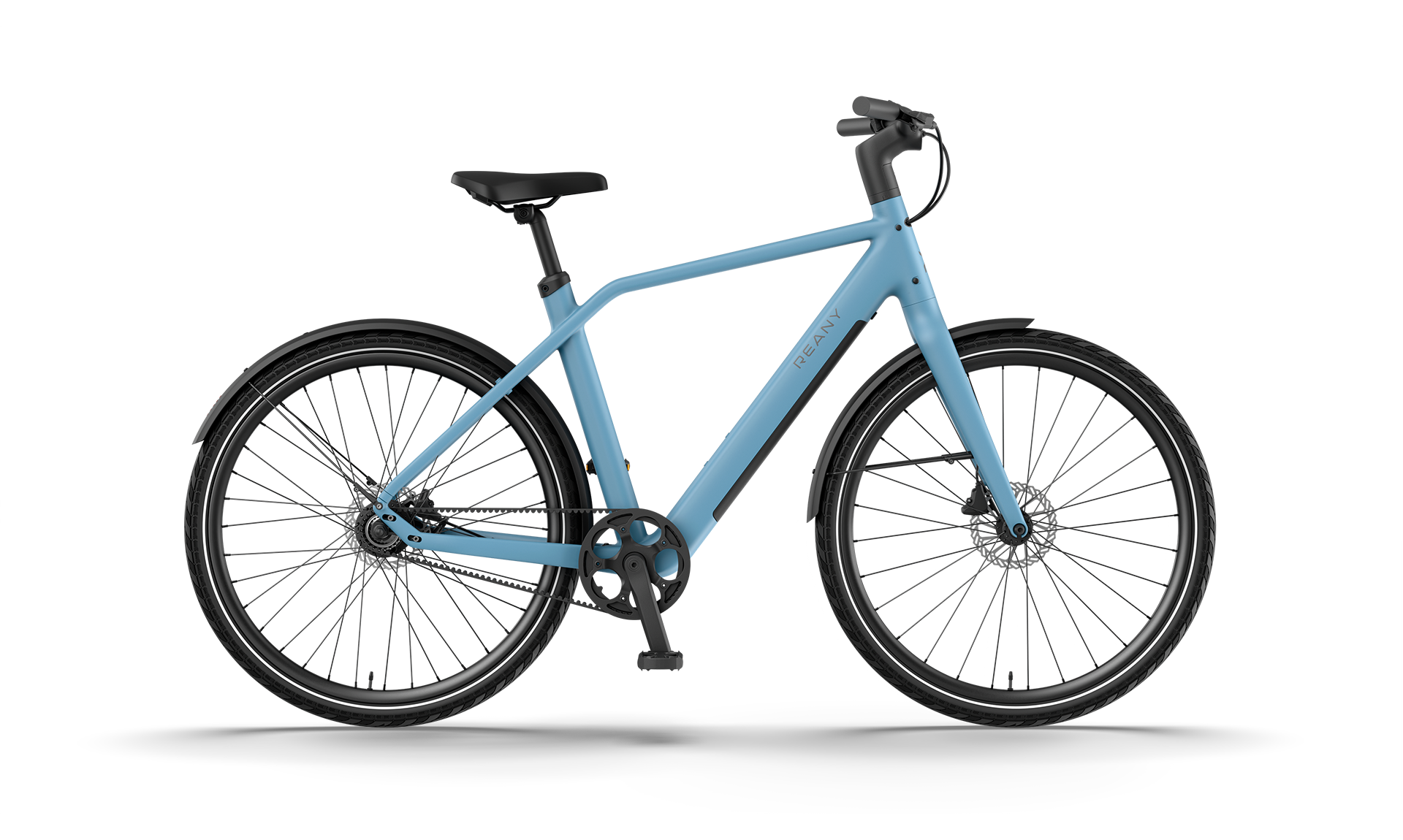
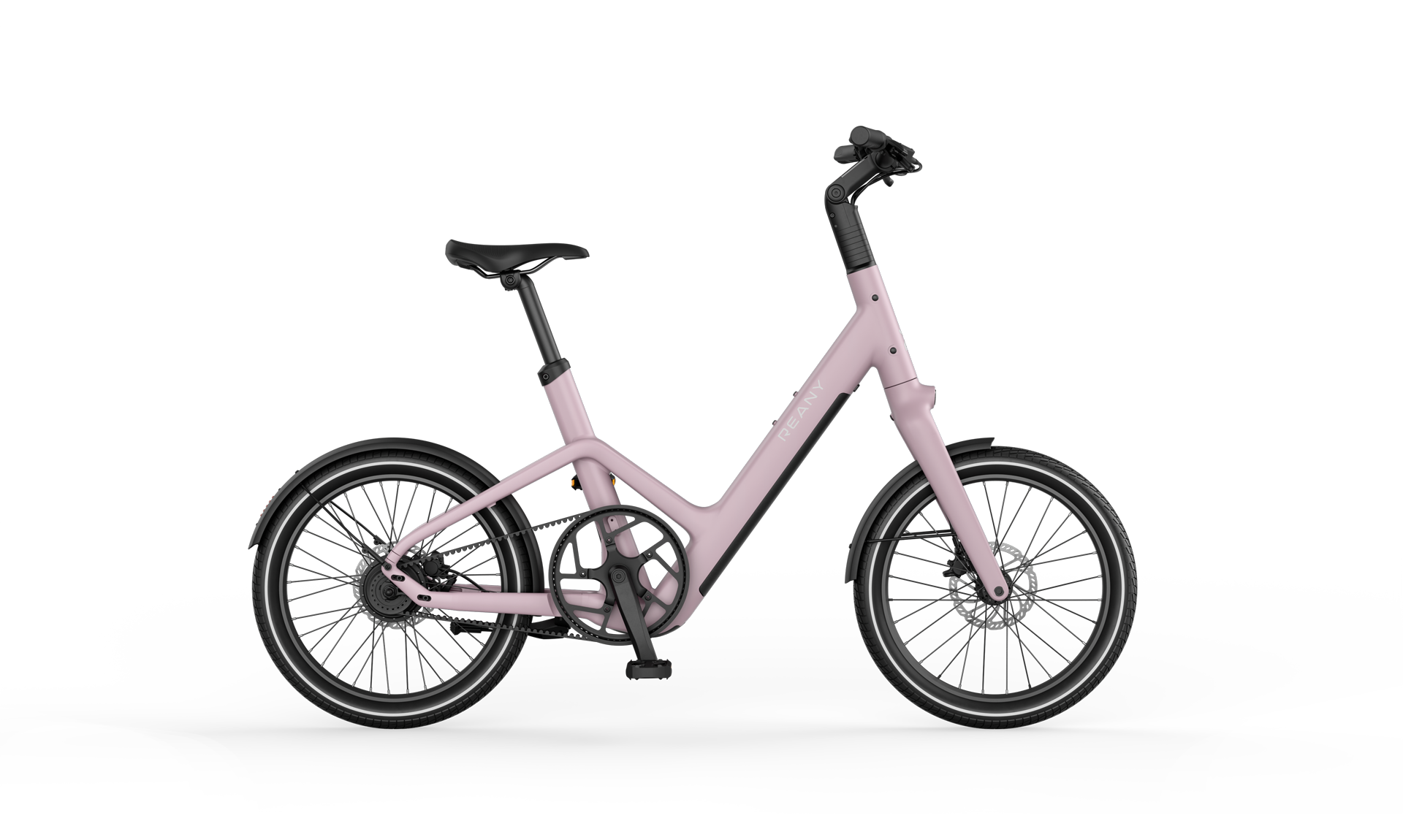
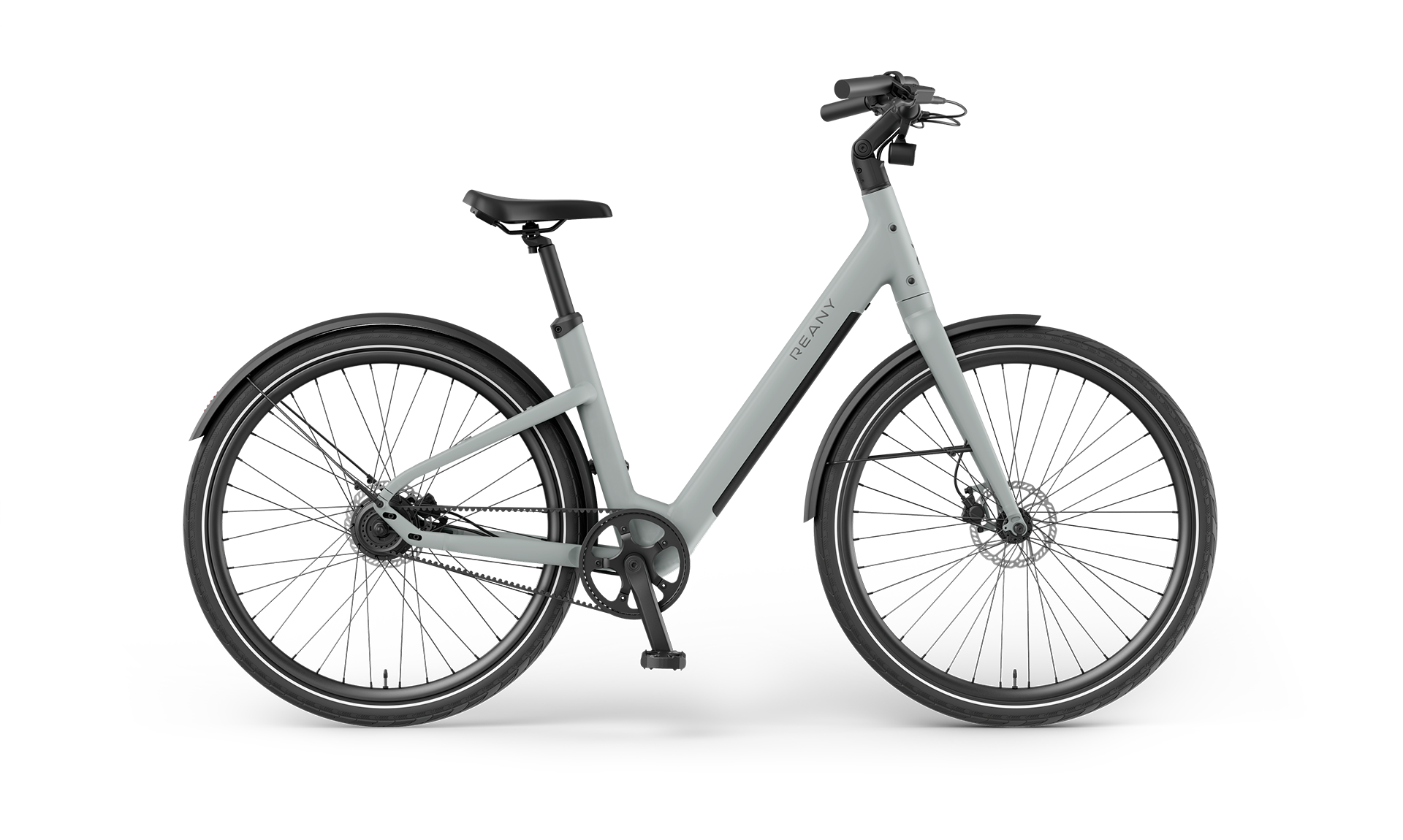
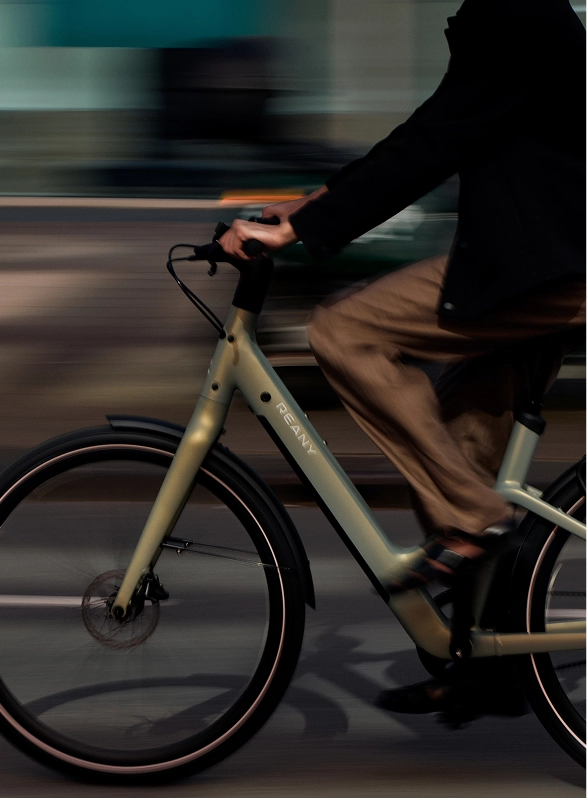
E-Bike in Rain: Is a Lightweight Model the Better Choice?

What Matters Most When Riding an E-Bike in Wind and Rain
Riding an e bike in rain is part of everyday life in many European cities, especially across the Benelux region. The real question is not simply whether a lightweight e-bike is better, but what makes it feel better in daily use: more control, easier handling and less effort before and after the ride.
For many urban riders, that matters a lot. Wind, wet roads and frequent stops can make a bike feel more demanding, especially on short commutes. A lighter bike often fits these conditions better because it feels easier to manage in real city routines.
Can You Ride an E-Bike in Rain?
Yes, but the riding experience depends on the bike
Yes, you can ride an e bike in rain. In many European cities, especially in places where cycling is part of daily life, this is completely normal. But the experience can vary depending on the bike itself.
Rain changes how the road feels. Wet surfaces, frequent stops and reduced grip all make handling more important. That is why not every e bike in rain feels the same.
Urban weather is part of everyday riding
For many riders in the Netherlands or Belgium, rain is simply part of the routine. Commuting does not stop because the weather changes. The bike still needs to feel practical, comfortable and easy to manage in everyday urban conditions.
What Changes When You Ride an E-Bike in Wind and Rain?
Less grip and more attention on wet roads
When riding an e bike in rain, the road feels different. Wet surfaces can reduce grip and make the ride feel less predictable. That is why riders usually need to pay more attention to:
- braking distance
- cornering smoothly
- road markings and slippery surfaces
- balance at lower speeds
Wind affects comfort and confidence
Wind can also change the riding experience quickly, especially in open urban areas. In cities with bridges, canal routes or wider streets, riders often notice:
- more side wind exposure
- less comfort on open stretches
- a greater need for control
- more effort in daily commuting
The ride does not end when you arrive
Using an e bike in rain is not only about what happens on the road. It also affects everything around the ride, such as:
- parking outside in wet weather
- moving the bike indoors
- storing it at home after the commute
- dealing with a bike that feels heavier when daily conditions are less comfortable
Is a Lightweight E-Bike Better in Rain?
Where a lighter bike can help
A lighter bike can make daily riding feel easier in wet conditions, especially in the city. For many riders, the main benefits are practical:
- easier handling at lower speeds
- easier parking after the ride
- easier to move indoors
- better fit for short daily routines
What “better” really means in daily city use
A lightweight bike is not necessarily better because it is faster or more powerful. In many cases, it feels better because it creates less friction in everyday life. When using an e bike in rain, that can mean less effort, more control and a smoother urban routine.
Rain riding is not only about weight
Weight matters, but it is not the only factor. A good e bike in rain also depends on:
- balanced handling
- good tyres
- reliable brakes
- rider confidence
- a design that feels natural in the city
Lightweight E-Bike vs Heavier E-Bike in Wet Urban Conditions
| Feature | Lightweight e-bike | Heavier e-bike |
| Handling in traffic | Easier to manoeuvre in stop-and-go city riding | Can feel slower or bulkier in tighter situations |
| Parking and storage | Easier after a wet commute | Harder to move indoors |
| Daily practicality | Better for short, repeated urban trips | Can feel more cumbersome in everyday routines |
| Wind exposure | Can feel more agile, depending on the overall design | May feel more planted, but not always easier overall |
| Riding feel | More natural and intuitive for many riders | Sometimes more machine-like |
| Life after the ride | Easier to lift, carry or store at home | More effort in stairs or compact entrances |
For many riders, the biggest advantage is not only how the bike feels on the road. It is how it fits the full daily routine before and after the ride.
That is why a lightweight option can often feel better for using an e bike in rain in real urban life.
What to Look for in an E-Bike for Rainy and Windy City Riding
Balanced handling
When choosing an e bike in rain, one of the most important things is how the bike feels in everyday city use. Riders usually benefit from:
- easy control at low speed
- smooth handling in traffic
- a bike that does not feel awkward in wet conditions
Practical everyday usability
A good urban e-bike should also be easy to live with before and after the ride. That includes:
- easy parking
- easy movement indoors
- easy storage after a wet commute
Components that support wet-weather use
Some practical details can make a big difference when using an e bike in rain, such as:
- good tyres
- reliable brakes
- mudguards
- useful everyday accessories
A bike that fits your routine
The best option is usually the one that matches how you actually move through the city. Think about whether the bike supports:
- commuting
- shopping
- daily errands
- train + bike mobility
Why This Question Fits the Reany Approach
Designed for real European city use
This question fits Reany because the brand is built around real urban routines, not around unnecessary complexity. In many European cities, daily riding means:
- short commutes
- frequent stops
- compact homes
- changing weather
- everyday practicality
Lightness as everyday relief
A lighter bike is not only about performance. It can also make daily mobility feel easier before, during and after the ride. In real city use, that often means:
- less effort when handling the bike
- less stress in wet conditions
- more confidence in daily routines
- a smoother overall experience
Back to Bike in real conditions
This also connects naturally with the idea of Back to Bike. The goal is not to add more weight or more complications, but to make the riding experience feel simpler and more intuitive again. That is especially relevant when using an e bike in rain, where ease and practicality matter even more.
In short: this topic fits Reany because it shows how lightness can improve real urban riding, not just in ideal conditions, but in everyday European weather too.
Frequently Asked Questions About Riding an E-Bike in Rain
Does rain damage an e-bike?
An e-bike is generally designed to handle normal rainy conditions, especially in everyday urban use. What matters most is regular care after wet rides, such as keeping the bike clean and storing it properly.
What should you do after riding an e bike in rain?
After using an e bike in rain, it helps to wipe off excess water, check the tyres and brakes, and store the bike in a dry place when possible. This keeps the bike in better condition and makes daily use easier.
Are some city routes harder to ride in the rain than others?
Yes. Bridges, painted road markings, tight corners and busier junctions can all feel more demanding in wet weather. In these situations, riders usually benefit from a bike that feels easy to control and predictable in traffic.
Is riding an e-bike in the rain uncomfortable in everyday commuting?
It can be less comfortable, but the bike makes a difference. A practical urban e-bike with the right setup can make rainy commutes feel much more manageable, especially on short daily rides.
What accessories make an e bike in rain more practical?
Some of the most useful accessories are:
- mudguards
- integrated lights
- a rear rack or basket
- waterproof storage solutions
These details can improve comfort and practicality in daily city riding.
Is a lightweight e-bike easier to manage after the ride?
For many riders, yes. Once the commute is over, a lighter bike can be easier to park, move indoors or store at home, especially in compact urban spaces.
Is wind sometimes more difficult than rain?
In many city situations, yes. Rain affects grip and comfort, but wind can make the bike feel more demanding on bridges, open streets and exposed routes. That is why balance and handling matter so much in daily riding.
A Better E-Bike in Rain Is One That Feels Better in Real Life
A lightweight e-bike is not always better in wind and rain by default. But for many urban riders, it can be the better choice because it feels easier to handle, easier to move and easier to live with in everyday conditions.
That is why this is about more than weather alone. The best e bike in rain is the one that reduces friction before, during and after the ride. In real European city life, a well-designed urban e-bike should not make bad weather feel heavier. It should make daily mobility feel simpler.
If you want to experience how a lightweight e-bike performs in real weather conditions, you can book a test ride.