E-Bike vs E-Scooter: Which One Is Better for You?

Understanding the E-Bike vs E-Scooter Debate
Urban transportation has changed dramatically in recent years. Electric mobility is no longer a futuristic concept — it’s a daily reality for commuters, students and city dwellers. Yet when comparing e-bike vs e-scooter, many people still hesitate before making a decision.
Both options promise convenience, sustainability and cost savings. Both reduce reliance on cars and public transport. But the real question in the e-bike vs e-scooter discussion is not which one is more popular — it’s which one fits your daily routine.
Do you need comfort for longer rides?
Is portability your top priority?
Are you commuting five kilometers or fifteen?
The difference between an e-bike and an e-scooter goes beyond appearance. It affects posture, range, safety and long-term value. In this guide, we break down the practical realities behind the e-bike vs e-scooter comparison so you can choose the option that truly matches your urban lifestyle.
What Is the Difference Between an E-Bike and an E-Scooter?
To understand the e-bike vs e-scooter comparison, we first need a clear definition of each vehicle.
What Is an E-Bike?
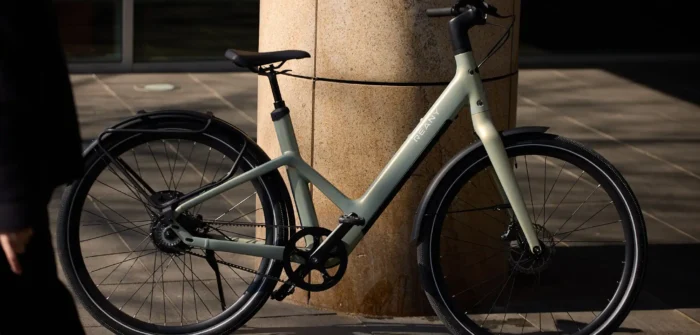
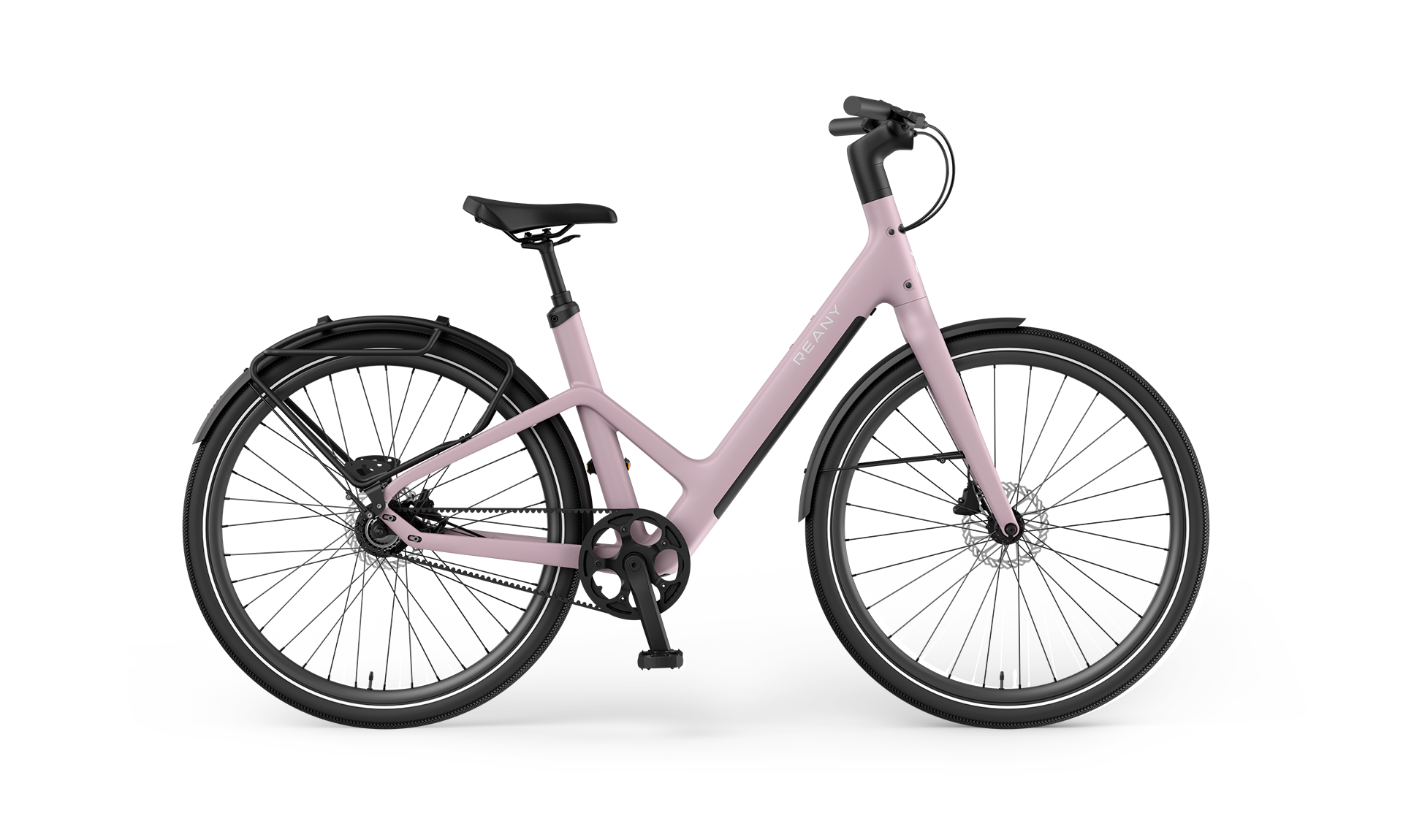
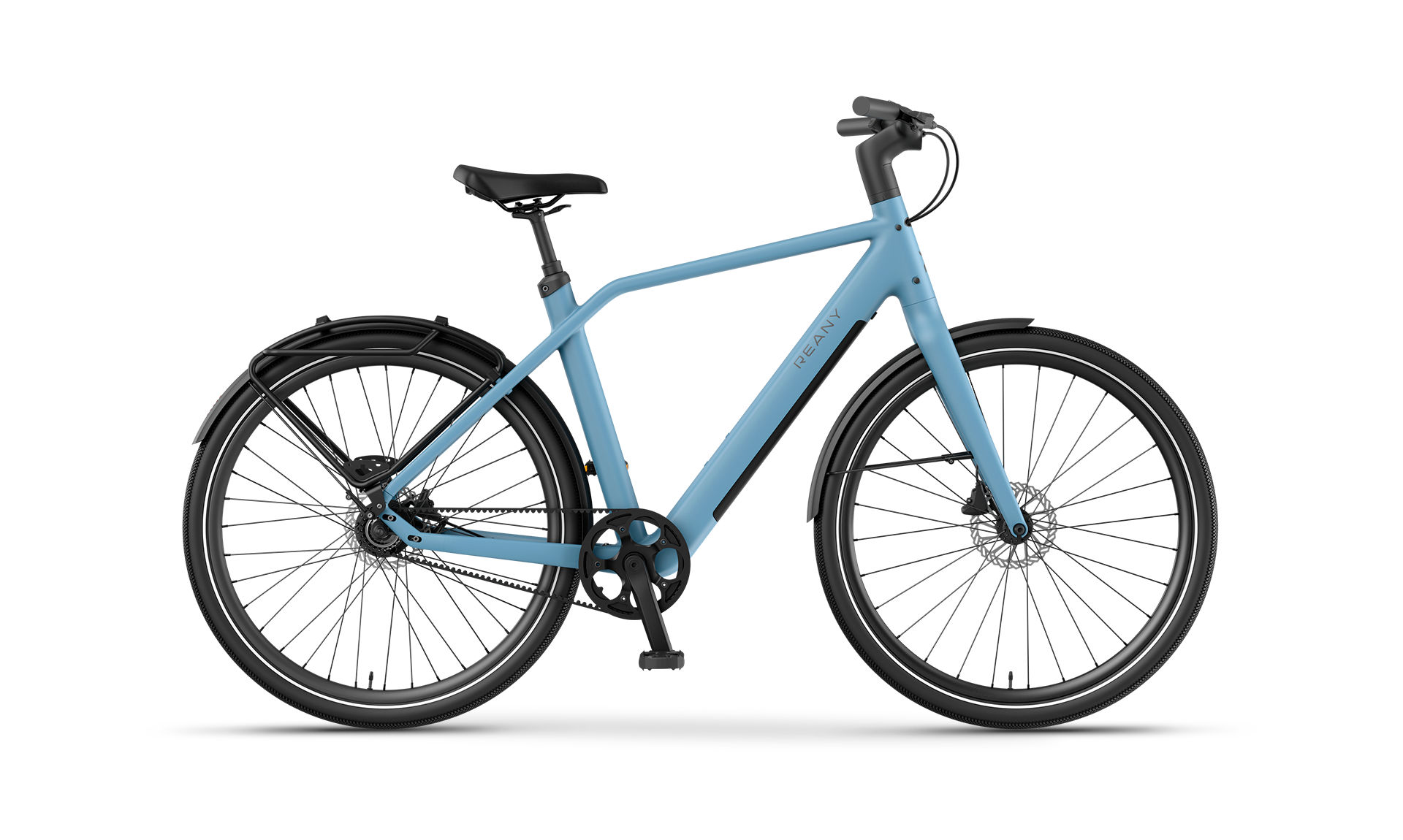
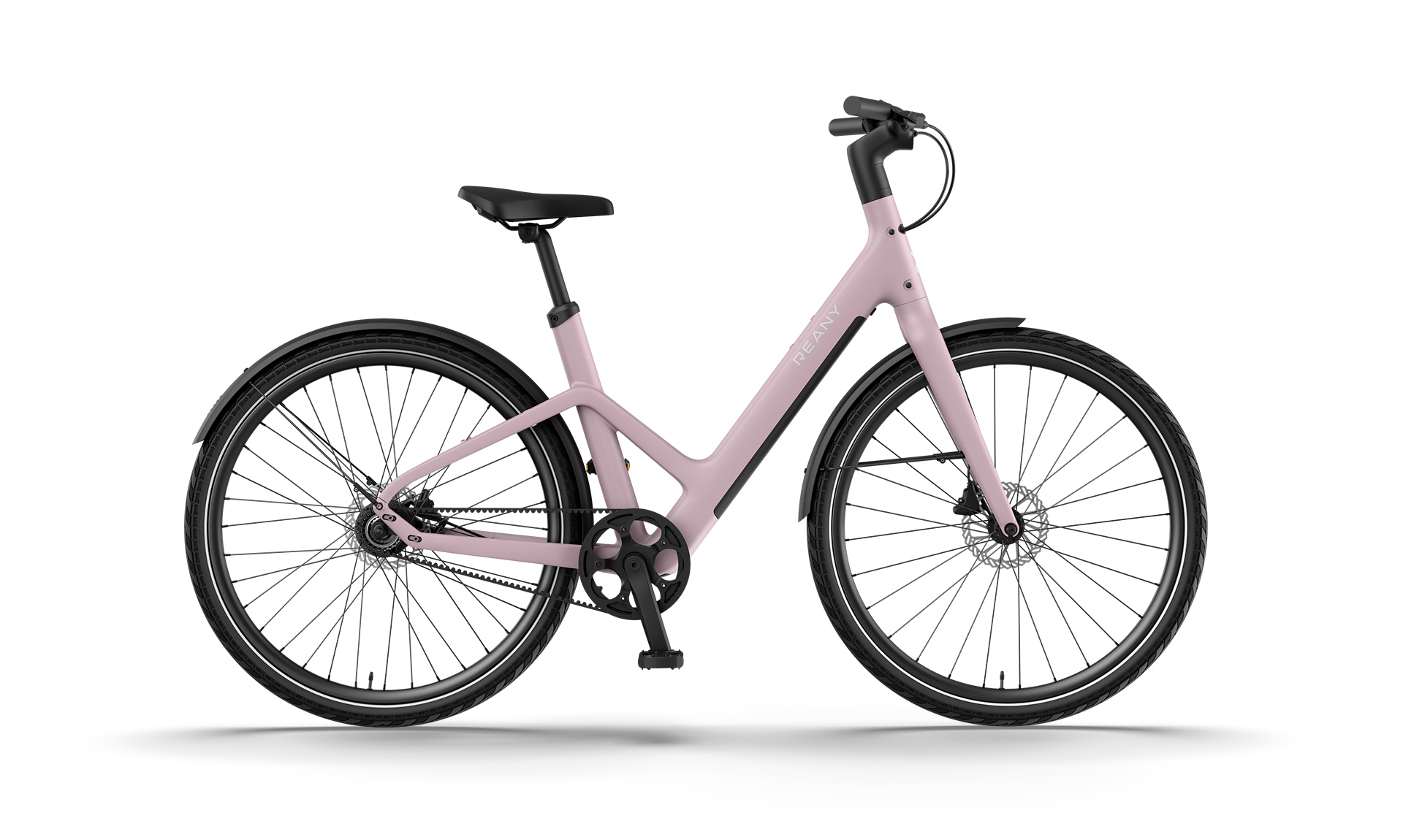
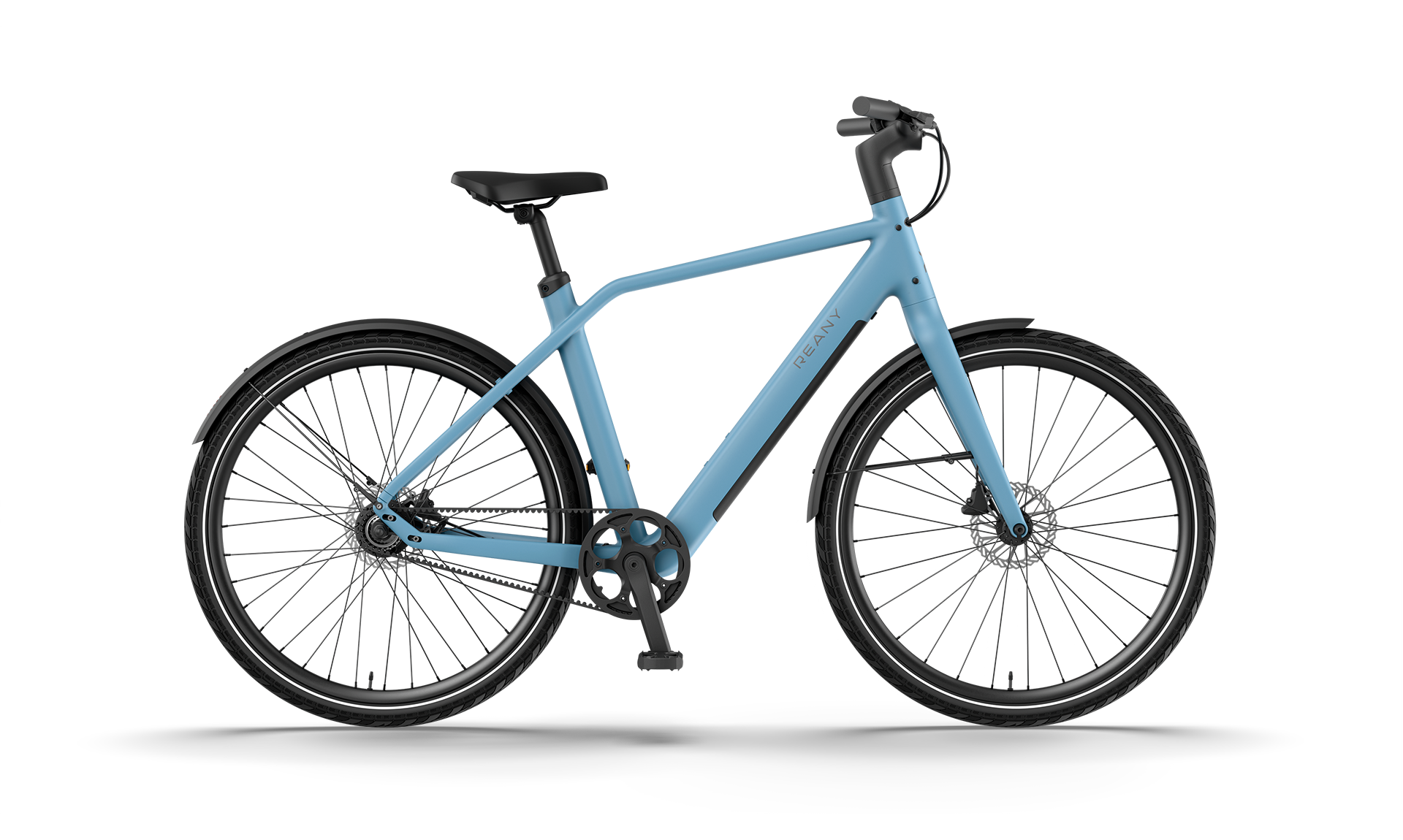
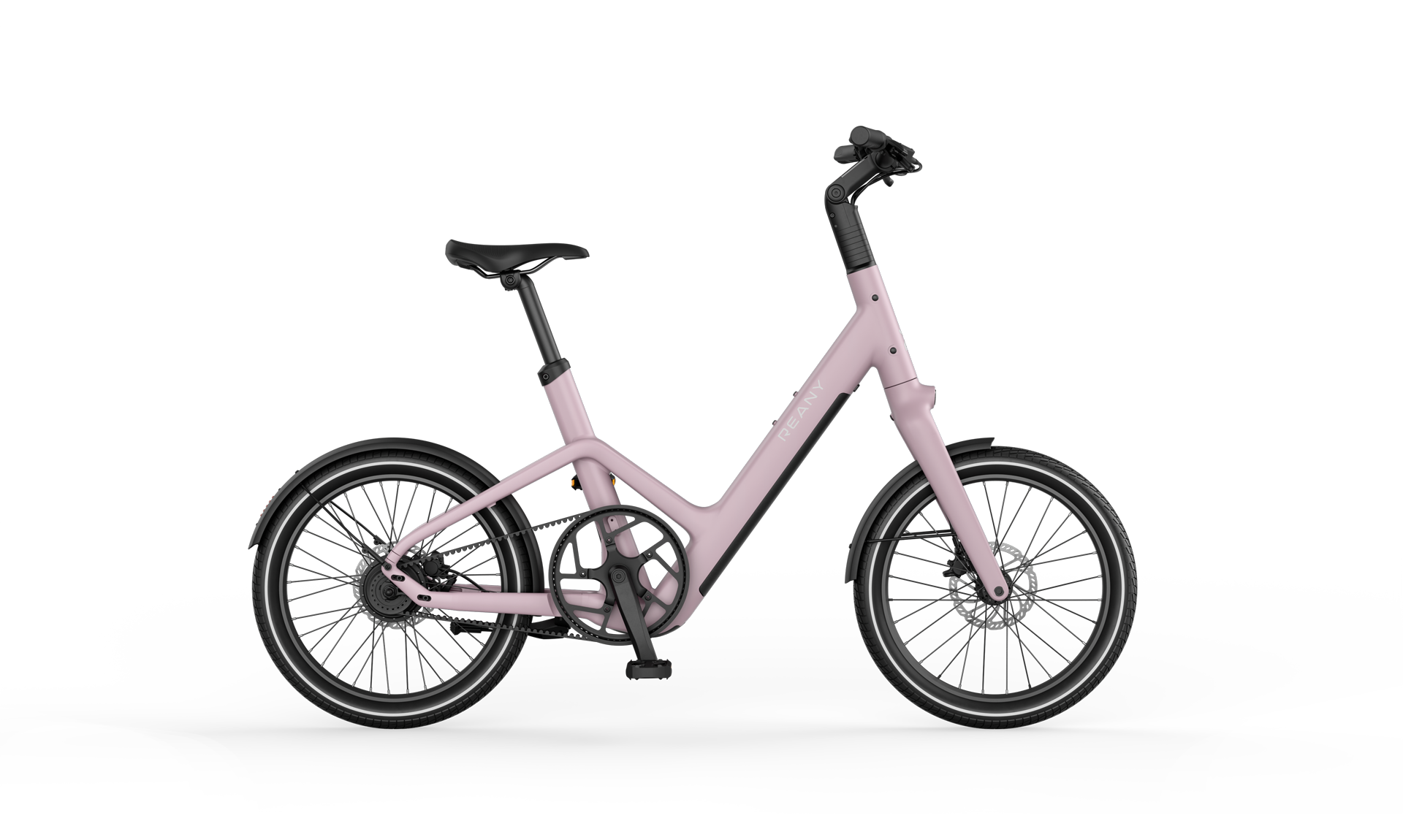
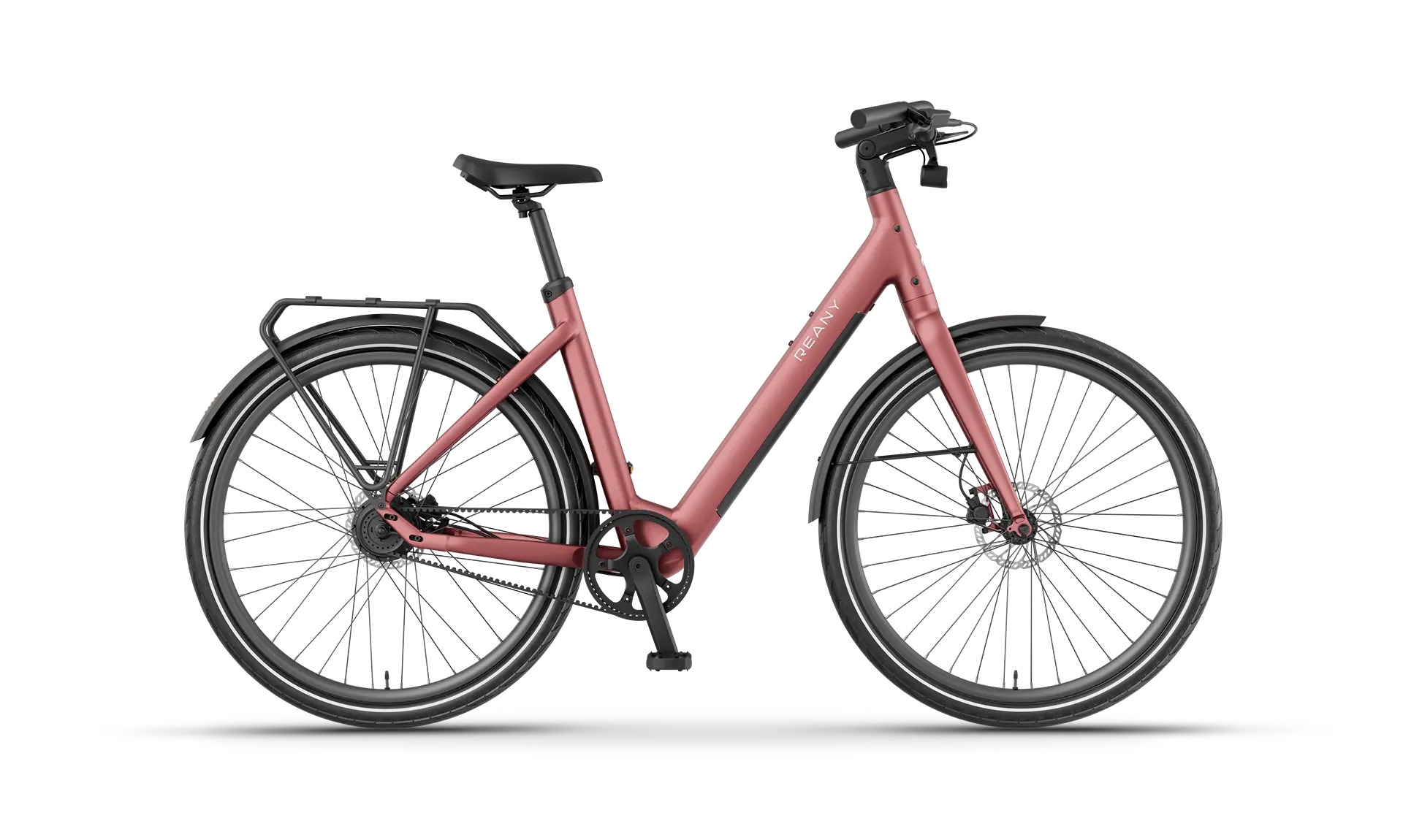
An e-bike (electric bicycle) is a pedal-assisted bike equipped with an electric motor, typically 250W in Europe. The motor supports your pedaling, making rides smoother and less physically demanding. You remain seated, control gears and benefit from larger wheels and bicycle-style braking systems.
In short, an e-bike combines human power with electric assistance to extend range and improve comfort.
What Is an E-Scooter?
An e-scooter is a standing electric vehicle powered entirely by a throttle-controlled motor. It usually has smaller wheels, a compact frame and is often foldable for easier storage.
Unlike an e-bike, there is no pedaling — movement depends completely on battery power.
Comfort and Riding Position – E-Bike vs E-Scooter
When comparing e-bike vs e-scooter, comfort is often the first noticeable difference — especially after more than a few minutes of riding.
E-Bike: Designed for Seated Comfort
An e-bike offers a seated riding position with adjustable saddle height and handlebar alignment. This creates a more ergonomic posture that supports:
- Lower back comfort
- Reduced wrist strain
- Better weight distribution
- Greater stability over uneven roads
Because you are seated, body fatigue is significantly lower on longer commutes. Pedal assistance also allows you to regulate effort, making daily riding more sustainable.
In the e-bike vs e-scooter comparison, this seated setup gives e-bikes a clear advantage for distances over 3–5 kilometers.
E-Scooter: Standing and Compact
An e-scooter requires a standing posture throughout the ride. While convenient for short distances, this position can lead to:
- Leg fatigue
- Wrist pressure
- Reduced comfort on uneven surfaces
- Limited shock absorption
Smaller wheels amplify road vibrations, especially on cobblestones or imperfect urban pavement.
Speed and Range – Which One Goes Further?
When analyzing e-bike vs e-scooter, performance is not just about top speed — it’s about how efficiently each vehicle uses energy and how far it can realistically take you.
E-Bike: Assisted Power and Extended Range
Most European e-bikes operate with a 250W motor, assisting the rider up to 25 km/h. Because the motor works in combination with pedaling, battery consumption is more efficient.
Typical e-bike range:
- 50 to 100 km depending on battery size
- Extended range through adjustable assist levels
- Greater efficiency on longer commutes
The key advantage in the e-bike vs e-scooter comparison is that pedal assistance reduces total energy demand. You’re not relying solely on the battery — your pedaling extends the ride.
Lightweight urban e-bikes, such as modern minimalist models, further improve efficiency by reducing overall energy consumption.
E-Scooter: Fully Motor Dependent
An e-scooter runs entirely on battery power. There is no mechanical assistance from the rider. As a result:
- Average range is usually shorter (often 20–40 km)
- Battery drains faster at higher speeds
- Performance drops more noticeably as battery depletes
While many e-scooters reach similar maximum speeds (often capped at 25 km/h in Europe), maintaining consistent range over longer distances becomes more challenging.
Safety and Stability in City Traffic
Beyond comfort and range, safety is one of the most important factors in the e-bike vs e-scooter comparison. Urban environments are unpredictable — uneven pavement, traffic density and sudden stops all require stability and reliable braking.
E-Bike: Built for Road Stability
E-bikes benefit from a traditional bicycle structure, which provides:
- Larger wheels for better shock absorption
- Stronger braking systems (often hydraulic disc brakes)
- More stable frame geometry
- Greater visibility in traffic
- Improved control at higher speeds
Larger wheels roll over potholes, cobblestones and curbs more smoothly. Combined with seated posture and balanced weight distribution, this increases rider confidence — especially in busy city streets.
In the e-bike vs e-scooter debate, stability is one of the strongest arguments in favor of e-bikes.
E-Scooter: Compact but Less Forgiving
E-scooters typically feature:
- Smaller wheels
- Shorter wheelbase
- More upright steering column
While they are agile in tight spaces, they are also more sensitive to road imperfections. Small obstacles that an e-bike absorbs easily can feel more abrupt on an e-scooter.
Braking systems on many entry-level e-scooters may also be less robust compared to mid-range or premium e-bikes.
Portability and Storage – A Key Difference
In the e-bike vs e-scooter comparison, portability is one area where e-scooters often stand out.
E-Scooter: Compact and Foldable
Most e-scooters are designed with convenience in mind. Key advantages include:
- Foldable frame
- Compact storage footprint
- Easy to carry onto public transport
- Lightweight compared to traditional bikes
If you live in a small apartment or frequently combine riding with buses or trains, portability becomes a major factor in the e-bike vs e-scooter decision.
An e-scooter can often be folded and stored under a desk or in a hallway without much space.
E-Bike: Larger but More Practical Long-Term
E-bikes naturally occupy more space. Even lightweight urban models are larger and less compact than e-scooters.
However, modern minimalist e-bikes have significantly reduced weight compared to older electric bikes. Some lightweight models approach the portability threshold where lifting or maneuvering indoors is manageable.
Still, in pure portability terms, the advantage in the e-bike vs e-scooter comparison typically goes to the e-scooter.
Cost and Long-Term Value
E-Scooter: Lower Initial Cost
Most e-scooters have:
- Lower purchase price
- Simpler mechanical structure
- Smaller batteries
This makes them accessible for riders looking for a short-term or budget-friendly solution.
However, lower cost often comes with trade-offs:
- Shorter overall lifespan
- Limited repair options
- More disposable components
- Lower resale value
In many cases, once battery degradation begins, replacing parts may not be as cost-effective.
E-Bike: Higher Investment, Greater Durability
E-bikes typically require a larger upfront investment, but they offer:
- Replaceable components (gears, brakes, tires)
- Serviceable drivetrain systems
- Stronger braking and frame durability
- Longer usable lifespan
- Better resale value
In the e-bike vs e-scooter comparison, long-term value often favors the e-bike — especially for riders who use their vehicle daily.
Because e-bikes combine mechanical and electric systems, they can remain functional even if the battery is partially depleted or requires replacement later in their lifecycle.
H2: Which One Is Better for Daily Commuting?
When evaluating e-bike vs e-scooter for everyday commuting, the right choice depends on distance, comfort expectations and storage needs.
| E-Bike | E-Scooter | |
| Ideal Distance | Medium to long commutes (5 km+) | Short trips (under 3–4 km) |
| Riding Position | Seated and ergonomic | Standing |
| Comfort Over Time | High – suitable for daily longer rides | Moderate – fatigue increases with distance |
| Traffic Stability | Larger wheels, better braking, more stable | Smaller wheels, more sensitive to road conditions |
| Carrying Capacity | Suitable for backpacks, groceries, work bags | Limited carrying capability |
| Portability | Larger footprint, less compact | Foldable and easy to store |
| Public Transport Compatibility | Less convenient | Very convenient |
| Long-Term Commuting Use | Stronger durability for daily use | Better for occasional short rides |
In the e-bike vs e-scooter comparison for commuting:
- Choose an e-bike if comfort, range and stability matter most.
- Choose an e-scooter if portability and short-distance convenience are your priorities.
Your daily routine ultimately determines which option makes more sense.
FAQs – E-Bike vs E-Scooter
Is an e-bike faster than an e-scooter?
In Europe, both are typically limited to 25 km/h. In the e-bike vs e-scooter comparison, top speed is similar, but e-bikes usually feel more stable at maximum speed due to larger wheels and better braking systems.
Is an e-scooter cheaper than an e-bike?
Yes, the upfront cost of an e-scooter is usually lower. However, when analyzing e-bike vs e-scooter from a long-term perspective, e-bikes often offer better durability and resale value.
Which is safer: e-bike vs e-scooter?
E-bikes generally provide greater stability thanks to larger wheels, stronger frames and hydraulic disc brakes. In most urban conditions, the e-bike vs e-scooter safety comparison favors e-bikes.
Which is better for long distances?
In the e-bike vs e-scooter debate, e-bikes clearly perform better for longer commutes due to seated comfort and extended battery range.
Can an e-scooter replace an e-bike?
It depends on your needs. For very short and highly portable commuting, an e-scooter may work well. For daily rides over 5 km, the e-bike vs e-scooter comparison typically leans toward e-bikes.
E-Bike vs E-Scooter – Choosing the Right Urban Solution
The e-bike vs e-scooter debate is not about which vehicle is more modern or more popular. It’s about how you move through your city every day.
If your routine involves short, highly portable trips and limited storage space, an e-scooter may offer the convenience you need. It is compact, foldable and easy to integrate into mixed transport journeys.
However, if comfort, range, stability and long-term value are priorities, the balance in the e-bike vs e-scooter comparison often shifts toward the e-bike. Seated ergonomics, larger wheels and pedal-assisted efficiency create a more complete commuting experience — especially for daily use.
Both options contribute to cleaner urban mobility. The smarter choice depends on distance, lifestyle and how much you value long-term riding comfort.
In the end, the real answer to the e-bike vs e-scooter question is simple:
Choose the vehicle that fits your rhythm — not just your commute.